
Expanding access to hereditary angioedema care in Vietnam | Takeda Stories

Expanding access to hereditary angioedema care in Vietnam
How our collaboration is improving diagnosis, treatment and support for patients across the country living with this rare genetic disease.
This article includes real-life patient experiences. Individual experiences may vary. This information is available to the general public for informational purposes only; it should not be used for diagnosing or treating a health condition or disease. It is not intended to substitute for consultation with a health care provider. Please consult your health care provider for further advice.
Takeda does not have any product approved for the treatment of hereditary angioedema in Vietnam at the time of this publication and there's no assurance of approval for such products in the future.
His throat would tighten, and he would struggle to breathe.
For 35 years, Nguyen Van Binh* experienced sudden, unexplained swelling all over his body. Each attack would last two to five days.
Binh, whose story has been shared by his physician Dr. Nguyen Lan Anh of the Central Military Hospital 108 is one of an estimated 1,000 to 2,000 people in Vietnam living with hereditary angioedema, a genetic disease commonly known as HAE.
HAE is considered a very rare disease, occurring in an estimated 1 in 50,000 people worldwide. The condition involves recurrent attacks of severe swelling (angioedema) in various parts of the body, including the hands, feet, genitals, stomach, face and/or throat – while swelling in the airway can restrict breathing. Episodes may be triggered by physical trauma or emotional stress. However, swelling often occurs without a known trigger.1
As symptoms vary from person to person and the frequency of attacks can change over time, people with HAE often face years of misdiagnoses, with symptoms often mistaken for allergies or appendicitis.2,3
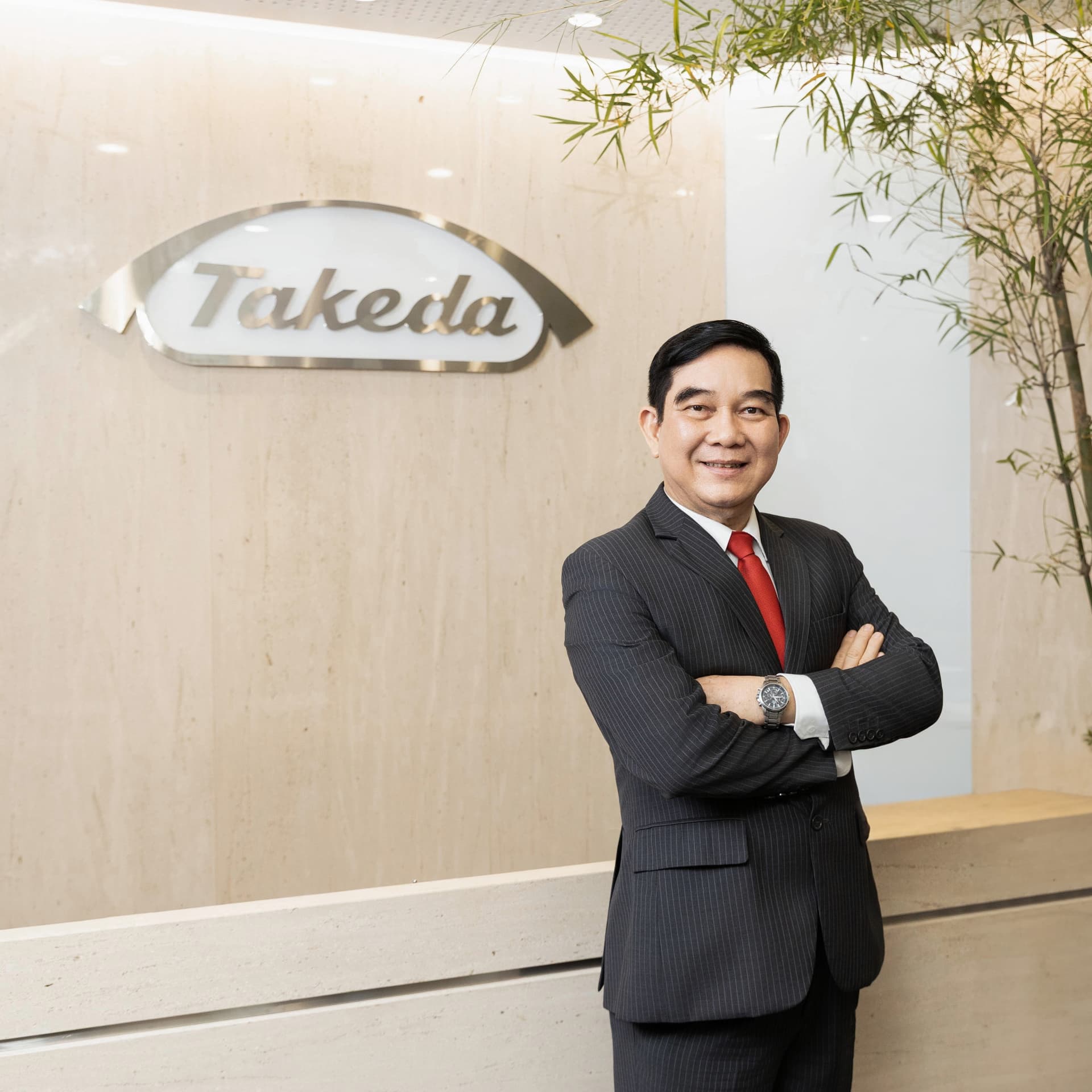
Dr. Than Trong Son, medical director at Takeda in Vietnam
In 2021, Takeda launched a collaboration with the Ho Chi Minh Society of Asthma, Allergy and Clinical Immunology and Japan’s National Center of Global Health and Medicine to tackle this. The program set out to improve the country’s HAE diagnostic capabilities, which, at the time, were limited, recalls Dr. Than Trong Son, medical director at Takeda in Vietnam.
“As recently as 2021, we were facing a lot of challenges in Vietnam,” he says. “No patient had been diagnosed with HAE. Why? Because we didn’t have any general or family screening for the disease. We had only one treatment center in Hanoi with expertise in allergy and immunology.”
In just four years, the program, which is part of our integrated approach to improving access to medicines through local, collaborative and sustainable initiatives, has seen significant success.
- 106 individuals suspected of having HAE screened.
- Over 7,500 doctors and nurses trained to improve diagnosis and treatment.
- Specialized guidelines developed to standardize diagnosis and care.
- Treatment centers established in Hanoi and Ho Chi Minh City, expanding access to care.
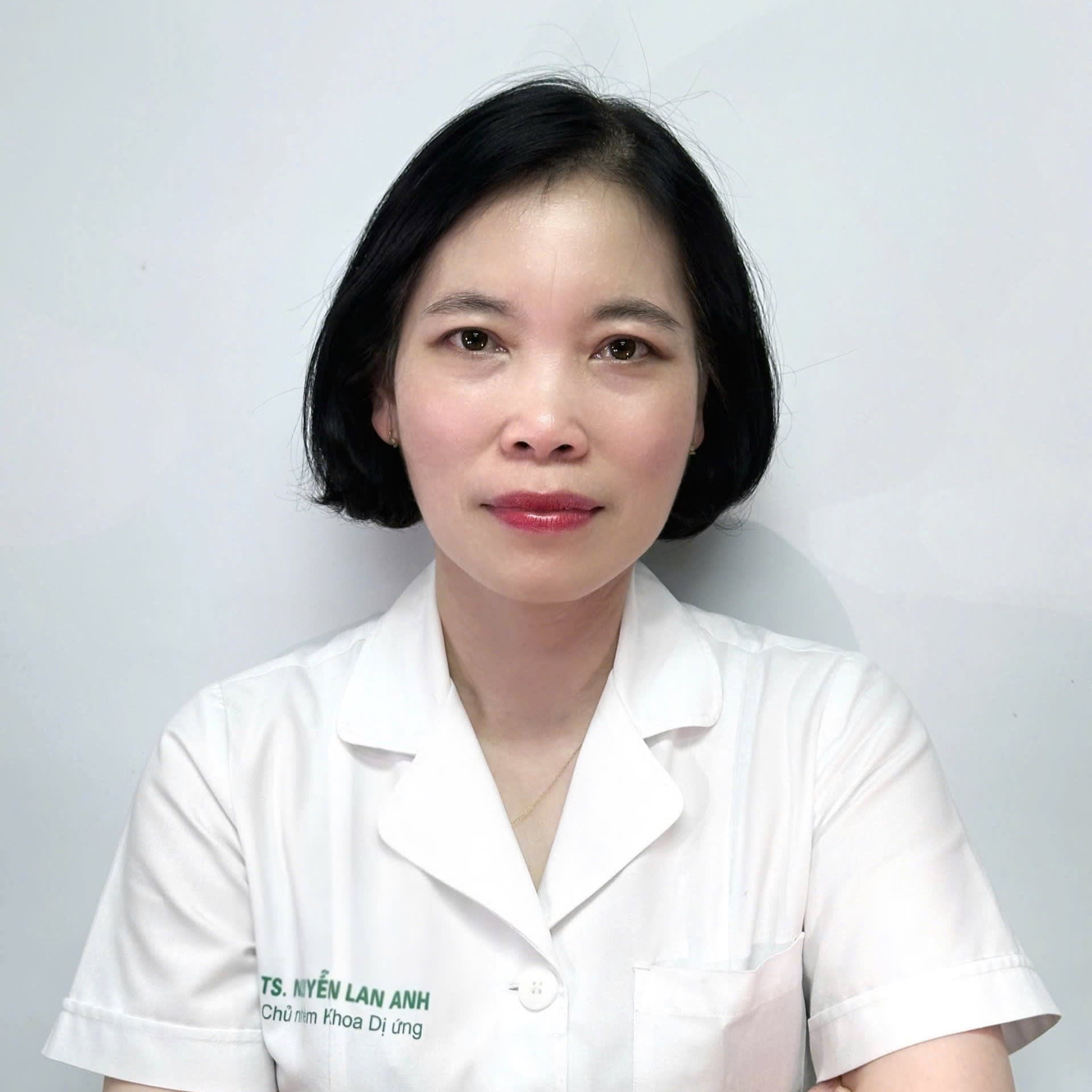
Dr. Nguyen Lan Anh of the Central Military Hospital 108
“A key challenge was the limited awareness and infrastructure for diagnosing HAE, often resulting in misdiagnoses,” says Dr. Son. “By implementing awareness initiatives, providing access to testing and training health care providers, we addressed these gaps and improved support for HAE patients.”
Binh is one of 36 people who have been diagnosed through free testing, which also includes three children between the ages of five and six. Dr. Lan Anh believes these outcomes demonstrate the transformational impact the program has had on Vietnam’s health care system.
“Patients with HAE now have access to accurate diagnoses,” she says. “For doctors, this initiative has provided essential training and resources, empowering us to improve health care delivery and work toward a future where no individual living with HAE is left behind.”
Those who have been diagnosed through the program are now more likely to receive appropriate treatment and care to ease the impact of their symptoms. But there is more work to be done to reach people living with HAE across Vietnam.
Having established treatment centers in Hanoi and Ho Chi Minh City, the partnership is now expanding its support, starting with the coastal city of Da Nang in central Vietnam. The collaboration’s long-term goal is to reach more remote and underserved communities across the country so that every HAE patient can receive the care they need.
While this expansion will mark another significant step forward, Dr. Son acknowledges that realizing the vision of equitable care across Vietnam will require sustained effort and perseverance – a value that has guided our progress and innovation for over 240 years.
“The patient journey in HAE is very challenging,” he says. “We need to keep up momentum; building knowledge among health care providers and patients takes time.”
*Name changed to protect the individual’s privacy.
- US Hereditary Angioedema Association; https://www.haea.org/pages/p/what_is_hae
- Discover HAE; https://www.discoverhae.com
- What are the symptoms of hereditary angioedema? Discover HAE. https://www.discoverhae.com/hereditary-angioedema-symptoms


Building HAE Treatment Capacity in Vietnam
As part of an international initiative by Japan's Ministry of Health, Labour and Welfare, Takeda was chosen to support local health care professionals to establish a medical care framework for hereditary angioedema (HAE) in Vietnam. Over the course of the four-year project term, the initiative achieved the following:
Development of clinical guidelines: HAE clinical guidelines tailored to Vietnam's local healthcare system were created in collaboration with Japanese specialists.
Increase in diagnoses: The number of confirmed HAE patients in Vietnam rose from zero to 33 over four years, and the number of hospitals capable of providing HAE care expanded five4.
Collaboration with the Japanese government: The project was selected as part of the Ministry of Health, Labour and Welfare's international program and advanced in cooperation with the National Center for Global Health and Medicine. Initially planned for three years, the project was extended to four at the request of physicians in Vietnam.
Share this story