
Managing Primary Immunodeficiency (PI): A Patient's Experience with Plasma-Derived Therapies
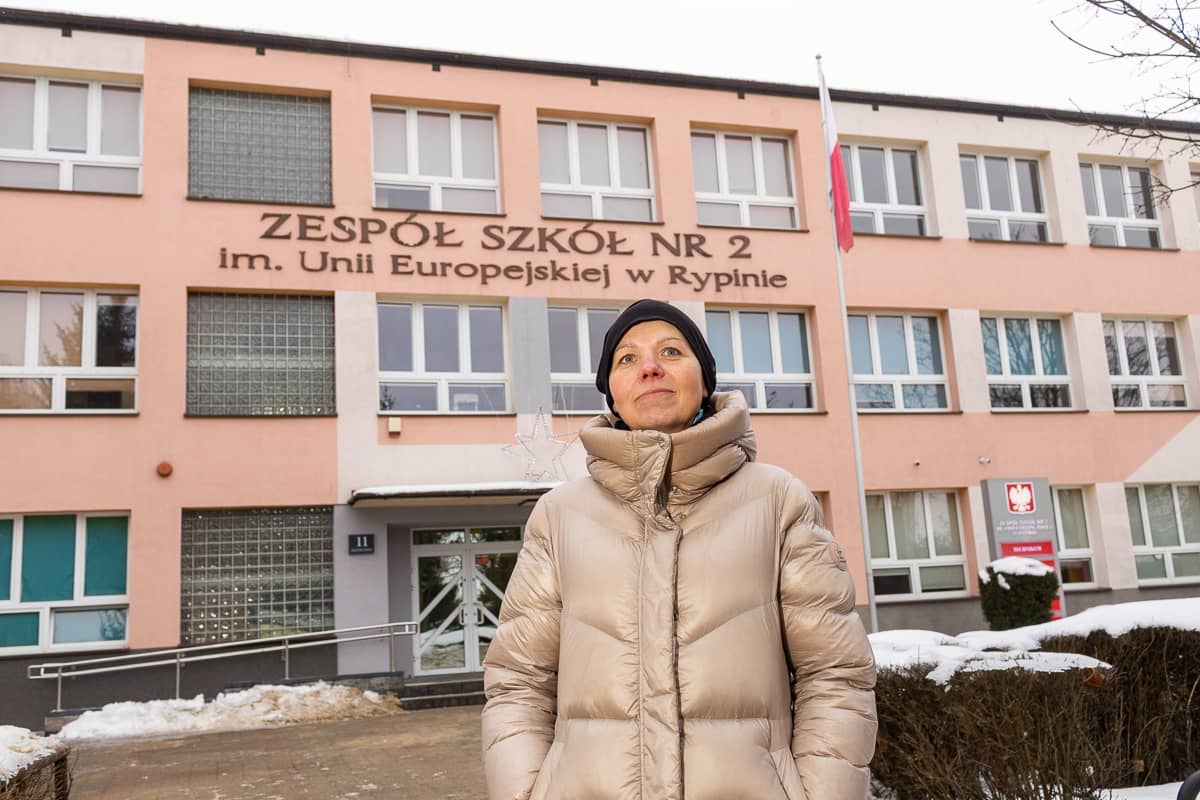
Living with primary immunodeficiency: one patient’s journey with a complex, chronic immune condition
This article includes real-life patient experiences. Individual experiences may vary. This information is available to the general public for informational purposes only; it should not be used for diagnosing or treating a health condition or disease. It is not intended to substitute for consultation with a health care provider. Please consult your health care provider for further advice.
This article is developed by Takeda. The featured patient has received compensation from Takeda for their participation.
For Ewa, starting her career as a teacher in her early twenties should have been an exciting new chapter. Instead, she found this new life marred by a persistent cycle of recurring illness. At first, she blamed the frequent infections on exposure to germs in the school environment, but soon she realized her experience was something different.

“My infections lasted two, three, four weeks, and before I recovered, I already had the next infection,” Ewa says, a stark contrast to her colleagues, family and friends who typically recovered from colds in just a few days. While she had experienced some vulnerability to illness as a child, the toll now was immense: constant sick leave and hospital stays, missed plans with family and friends, and a life increasingly lived on the sidelines. “So many things passed me by,” Ewa recalls as her suspicion grew; this wasn’t just bad luck. She needed answers so she could live her life on her terms.
Beyond coughs and fevers, more and more symptoms appeared that weren’t just related to infections or inflammation, spreading now to cause her skin and stomach issues, causing further pain and discomfort. Ewa’s frustration mounted, often compounded by a sense of isolation. Well-meaning friends would offer advice but struggled to grasp the severity and persistence of her unique health challenges. “They would say, ‘well, garlic helps me,’ or ‘why don’t you try some honey?’ They didn’t understand that my illnesses were different,” Ewa recalls. Meanwhile, her doctors seemed to treat her symptoms as individual issues, like the dots weren’t being connected.

Her quest for answers led her far from home to an immunologist in Gdańsk, Poland – 250 kilometers away. There, following a series of specialized tests, Ewa finally received a diagnosis at 28 years old: a type of primary immunodeficiency, Common Variable Immunodeficiency (CVID), a chronic condition where the immune system is unable to produce sufficient protective antibodies, leaving the body vulnerable to recurrent, severe infections. The doctor confirmed the diagnosis and also offered treatment options including immunoglobulin replacement, a type of plasma-derived therapy.
For Ewa, receiving her diagnosis first brought a sense of relief. “I finally knew what was wrong with me,” she explains. However, this clarity was also met with many questions about what lay ahead for her future – including whether or not she could continue her teaching career. Despite the unknowns, a concrete hope emerged: “I knew there was some treatment, even long-term, lifelong. But there was help.”
Today, with the support of her care team, Ewa is able to manage her condition at home. “Having treatment options has helped. With my doctors, I’m able to better manage my condition.”
For hundreds of thousands of people around the world with CVID and other rare and chronic immune conditions, plasma-derived therapies are often the only appropriate treatment option for some patients.1 These medicines, crafted from the generous donations of healthy plasma donors, provide the antibodies that people living with these conditions cannot make on their own.1
It can take between 130 and 1,200 plasma donations to treat just one person with plasma-derived therapy for one year2 – a testament to the immense generosity of donors and the vital global network of plasma donation centers, such as BioLife Plasma Services (part of Takeda), that make these therapies possible.
Crucially, Ewa has become her own best advocate, keenly attuned to her health. “I know everything about myself,” she affirms. “When I get up in the morning, I read signals from my body. I know when something is happening.” This skill empowers her in navigating her lifelong condition and partnering effectively with her medical team. She also has a support network that includes others living with immunodeficiencies, helping her to feel less alone.
Ewa describes herself as a realist, understanding that living with her condition still involves careful planning. She has adapted her hobbies, opting for outdoor concerts and streaming movies at home to avoid crowded spaces and minimize exposure to viruses. Ewa’s active management of her condition also means she consciously questions the health implications of everyday situations – even simple acts like being out in the sun – and diligently consults her doctors to navigate her daily life with awareness. Despite these adjustments, she embraces her life with a quiet optimism, focusing on what she can do.
Click to watch the video
Beyond her own self-advocacy, Ewa acknowledges the critical role of support from caregivers. Especially during her most severe infections, Ewa credits her parents for their unwavering support. She recalls fighting fevers so intense she couldn’t even remember her own name, remembering, “Without my parents’ help, I definitely wouldn’t have managed on my own.”
Ewa’s message to other patients just beginning their journey with immunodeficiency is one of empowerment and hope: “Don’t give up. Take care of yourself as much as possible,” Ewa shared, underscoring the value of partnering with her medical team to manage her condition.
For plasma donors, Ewa has a simple and profound message of gratitude: it is their generosity that makes these life-changing therapies possible. “Thank you very much for the possibility of using your plasma. I’d like you to know that there is a group of patients who are especially grateful to you for doing this,” Ewa says.
To learn more about plasma-derived therapies, click here.
References
- Plasma Protein Therapeutics Association (PPTA). Plasma-Derived Medicines. https://www.uniquelysavinglives.org/plasma-derived-medicines. Accessed January 2026.
- Plasma Protein Therapeutics Association (PPTA). Plasma Collection and Manufacturing. https://www.pptaglobal.org/resources/plasma-collection-and-manufacturing. Accessed January 2026.
Share this story