
Precision and Protection: Takeda’s Commitment to Plasma Quality and Safety
Precision and Protection: Inside Takeda's Commitment to Plasma Quality and Safety
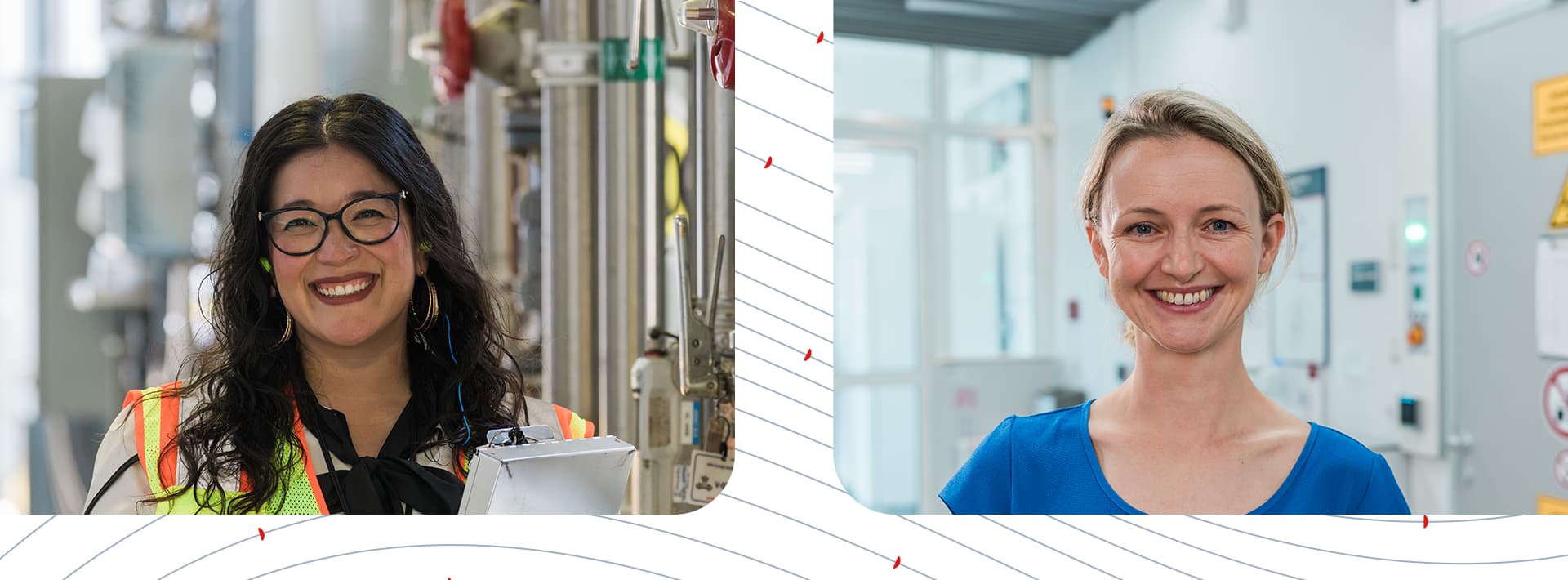
Inside Takeda's manufacturing facility for plasma-derived therapies in Los Angeles, Jennifer (Jenn) Bayan's oversight touches nearly every part of the operation – from the raw materials, equipment and infrastructure to the critical systems that keep production running smoothly. As Associate Director of Quality Assurance, Jenn helps ensure plasma moving through the facility is transformed into high-quality, reliable medicine for patients around the world.
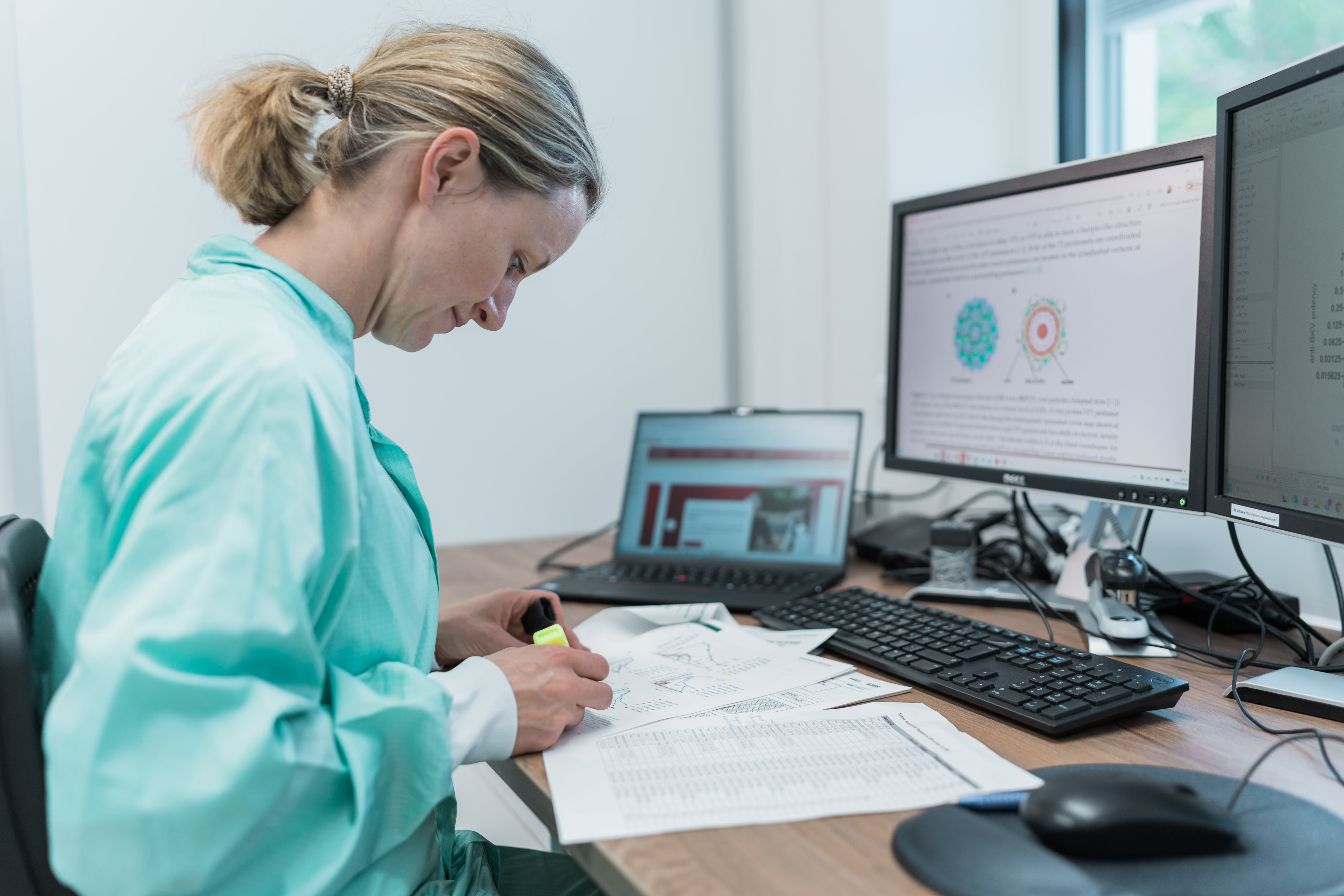
Thousands of miles away, in Vienna, Austria, Cornelia (Conny) Lackner, Supervisor of Cell Culture and Virus Models on Takeda's Global Pathogen Safety (GPS) team, enters a specialized Biosafety Level 3 laboratory where she and her colleagues scientifically validate that Takeda's plasma manufacturing processes work exactly as intended.
Though separated by continents and disciplines, Jenn and Conny share a common mission: helping ensure every plasma-derived therapy (PDT) complies with the highest quality manufacturing standards.
For both, that mission is personal. Jenn's brother lives with a rare disease that prevents his body from producing enough antibodies needed to fight infections, making regular plasma-derived therapy infusions a lifelong necessity.
"I know exactly what's at stake because I've seen it firsthand," Jenn says. "Our whole Quality Assurance team feels that same sense of responsibility. We know every batch of plasma we release could be someone's lifeline, and we hold ourselves to that standard every single day."
Conny, a mother of two, is driven by a similar sense of purpose.
"When I think about families living with rare conditions, especially children, it drives everything we do in the lab," she says. "Our job is to ensure that every therapy we deliver complies with the highest quality standards."
A Journey Built on Trust
For hundreds of thousands of people living with rare and complex chronic conditions, plasma-derived therapies aren't just a treatment option – they're often the only one. Turning donated human plasma into these life-sustaining medicines is a complex process, spanning 7 to 12 months and requiring hundreds of checkpoints.
"People are often surprised by how many checks happen before a therapy ever reaches a patient," Jenn explains. "It is constant, layered oversight from the donation to the finished product."
Safety Against Viruses
It is paramount to ensure the safety of every plasma-derived therapy.
This starts before plasma is even collected. Every donor at Takeda's network of BioLife plasma donation centers undergoes a thorough health screening to confirm they meet strict eligibility requirements. From there, all donated plasma undergoes highly sensitive and extensive testing designed to detect viral contamination. Contaminated plasma is then discarded.
In addition to donor screening and testing, Takeda’s manufacturing process includes specialized treatment and filtration steps designed to help inactivate or remove potential viral risks.
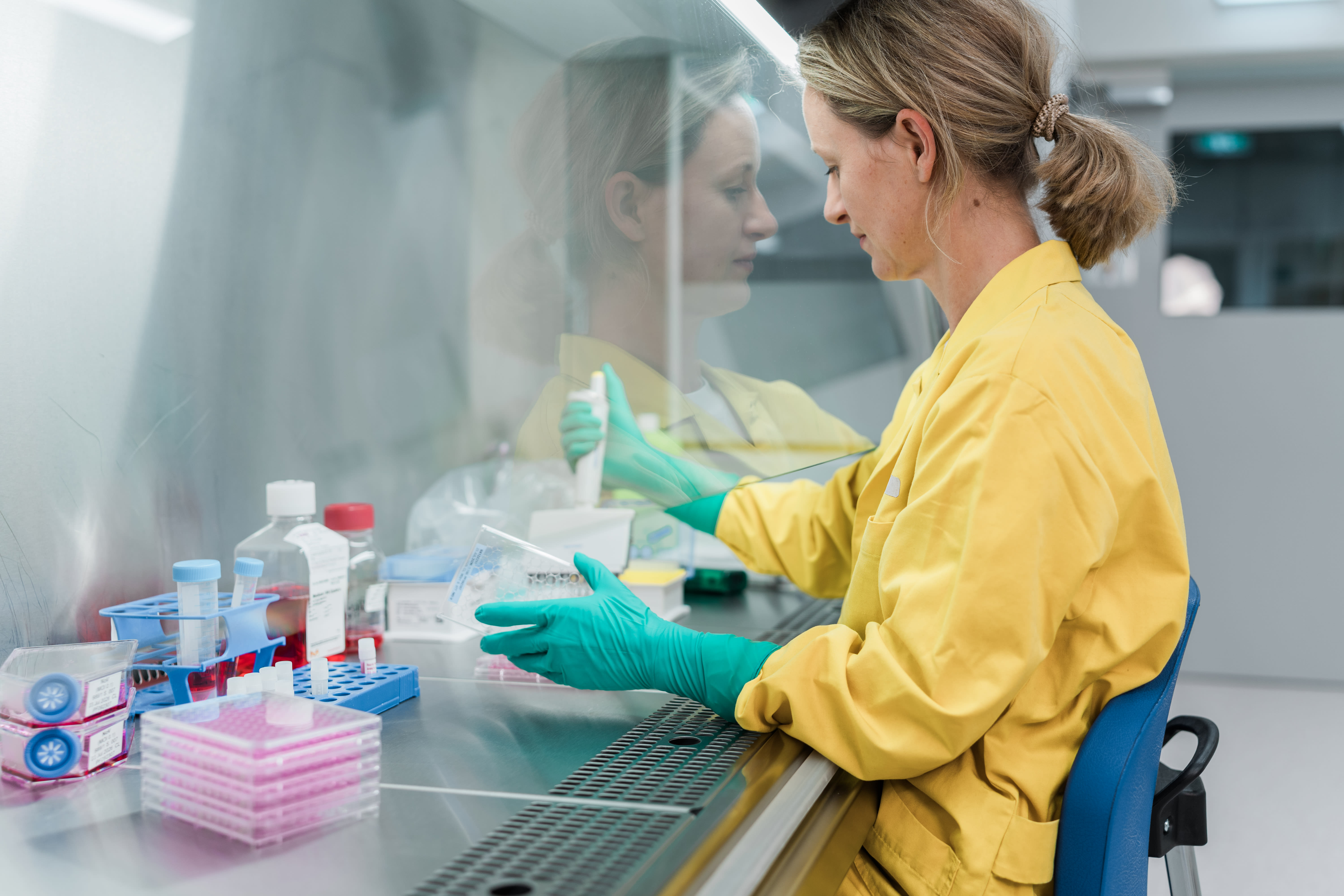
This is where Conny and the full GPS team come in. They study isolated viruses directly in the lab, recreating Takeda's manufacturing processes at a small scale to measure how effectively each process removes or inactivates viruses.
As new viruses emerge, Conny and her colleagues continually confirm that Takeda's manufacturing safeguards remain effective. "Our goal is to make sure every process is prepared – not just for the viruses we know today, but for whatever new threats may arise," Conny says.
Protection Against Viruses
Ensuring a plasma-derived therapy meets quality standards is only part of the equation. Takeda's teams must also make sure that active components maintain their integrity throughout the plasma-derived therapies manufacturing process – ensuring the protective proteins patients depend on remain active and capable of fighting infections.
"For some of our patients, their immune system cannot produce the antibodies they need," Conny explains. "Therefore, we run rigorous tests to confirm that the antibodies in our immunoglobulin therapies can actively recognize their specific targets and thereby help the body fight infections."
Vigilant Oversight
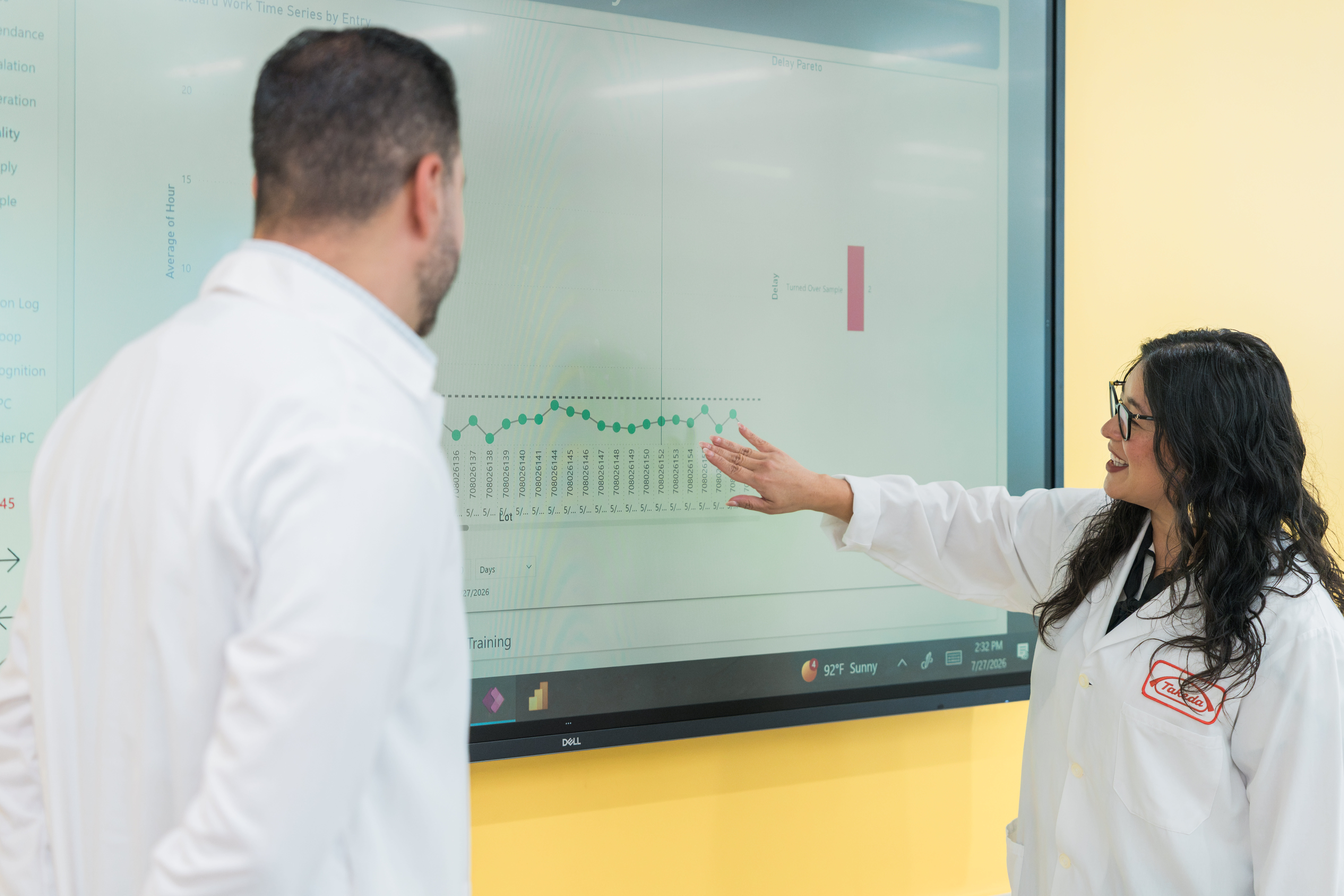
Back in Los Angeles, Jenn and the Quality Assurance team serve as the guardians of that consistency, overseeing every corner of the manufacturing facility to ensure it operates in a constant state of control.
"Our team works side-by-side with our manufacturing and engineering partners – coaching, guiding, and helping ensure that every single step is executed with precision," Jenn says.
That oversight includes ensuring every process meets Good Manufacturing Practice (GMP) standards – the strict international requirements that govern how medicines are consistently and safely produced. From air and water systems to equipment calibration and approved processing conditions, quality controls are embedded throughout manufacturing.
Increasingly, that oversight is also evolving. Digital tools and automation give Jenn's team real-time visibility across production, helping critical checks happen faster and more precisely without ever compromising safety.
"Every check, every verification exists for a reason," Jenn says. "It's how we make sure that nothing moves forward unless it's met the highest bar – because that's what our patients deserve."
A Shared Commitment
From Los Angeles to Vienna, Jenn and Conny share a mission that begins when plasma is donated and continues until that plasma is transformed into a plasma-derived therapy and reaches a patient.
"From donor screening to final release, hundreds of daily decisions protect our patients," Jenn says. "Knowing my work helps ensure my brother – and families like ours – can trust their medicine gives me incredible pride."
For Conny, the reward is knowing she helps families she may never meet. "Helping give people the confidence to live their lives and hope for their future – that is what makes this work so meaningful," she says.
Together, their work represents a promise: that every step of the plasma journey, from donor to patient, is guided by an unwavering commitment to quality and safety.
To learn more about plasma-derived therapies, click here.
Share this story