
80 years of boldly evolving for patients | Takeda Stories
80 years of boldly evolving for patients
How our Hikari manufacturing site in Japan continues to adapt its capabilities to help deliver medicines to patients today and in the future.
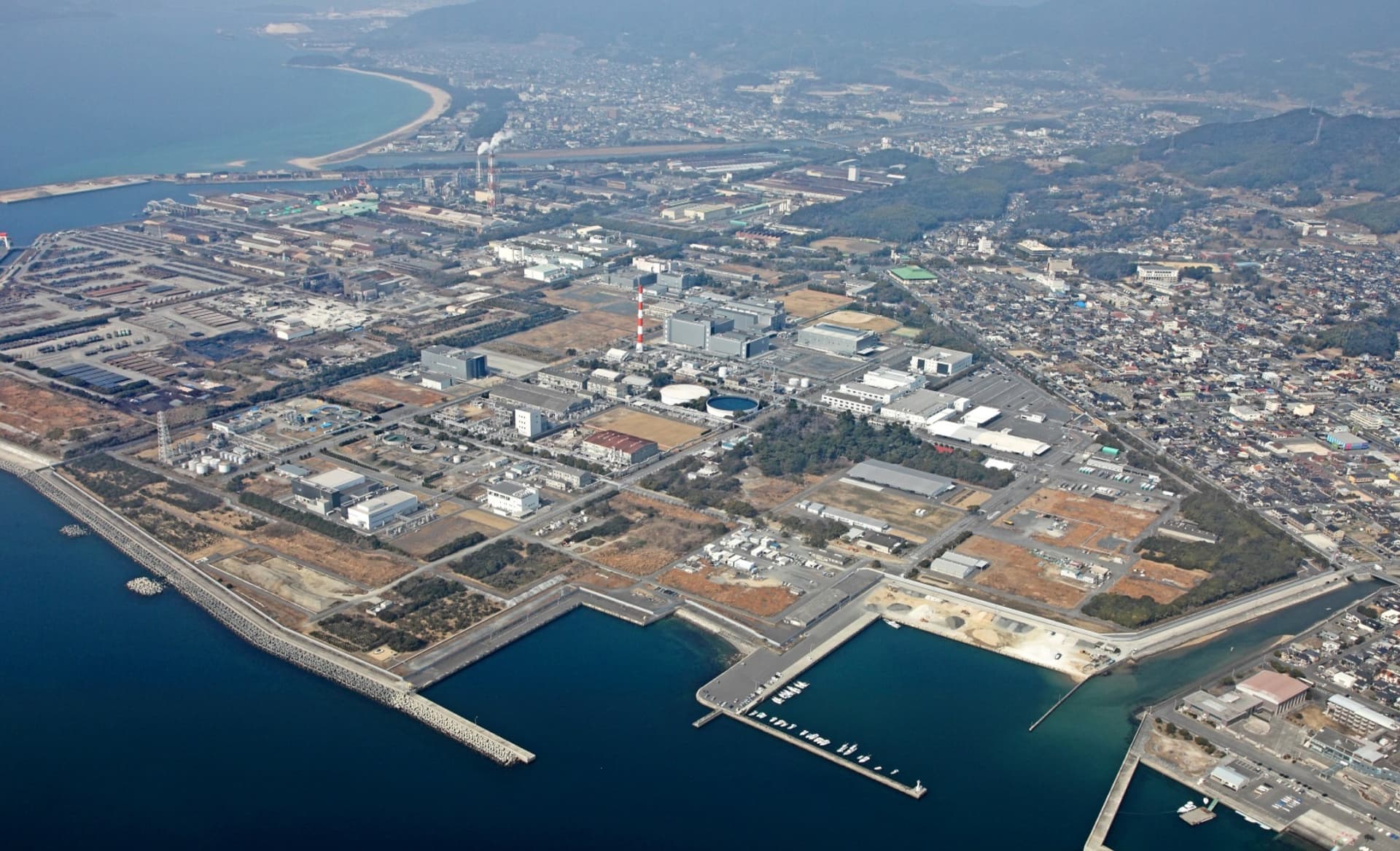
Behind every medicine is a person waiting for it. For 80 years, our Hikari manufacturing site in southwest Japan has evolved to meet changing health needs – from making vaccines in postwar Japan to producing life-transforming medicines today. Building on that legacy, our colleagues in Hikari are combining their expertise with advanced technologies to deliver a reliable supply of high-quality medicines to patients in Japan and around the world.
These photos offer a glimpse of Hikari’s journey, from its beginnings to the work happening today and the possibilities ahead.
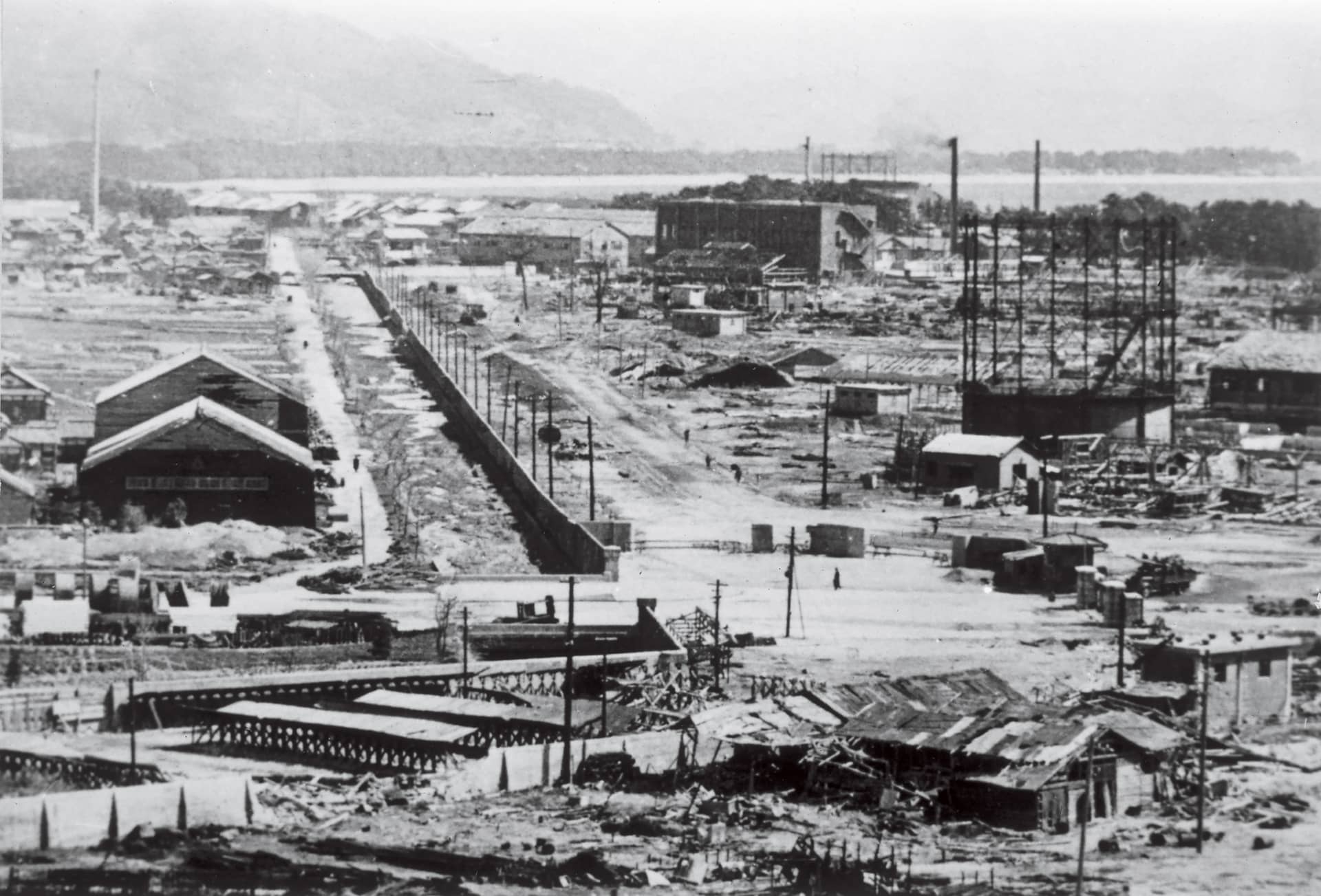
Established in 1946 on the site of a former naval arsenal, our Hikari site began making vaccines to meet urgent public health needs in Japan. As healthcare requirements changed, so did the medicines made here.
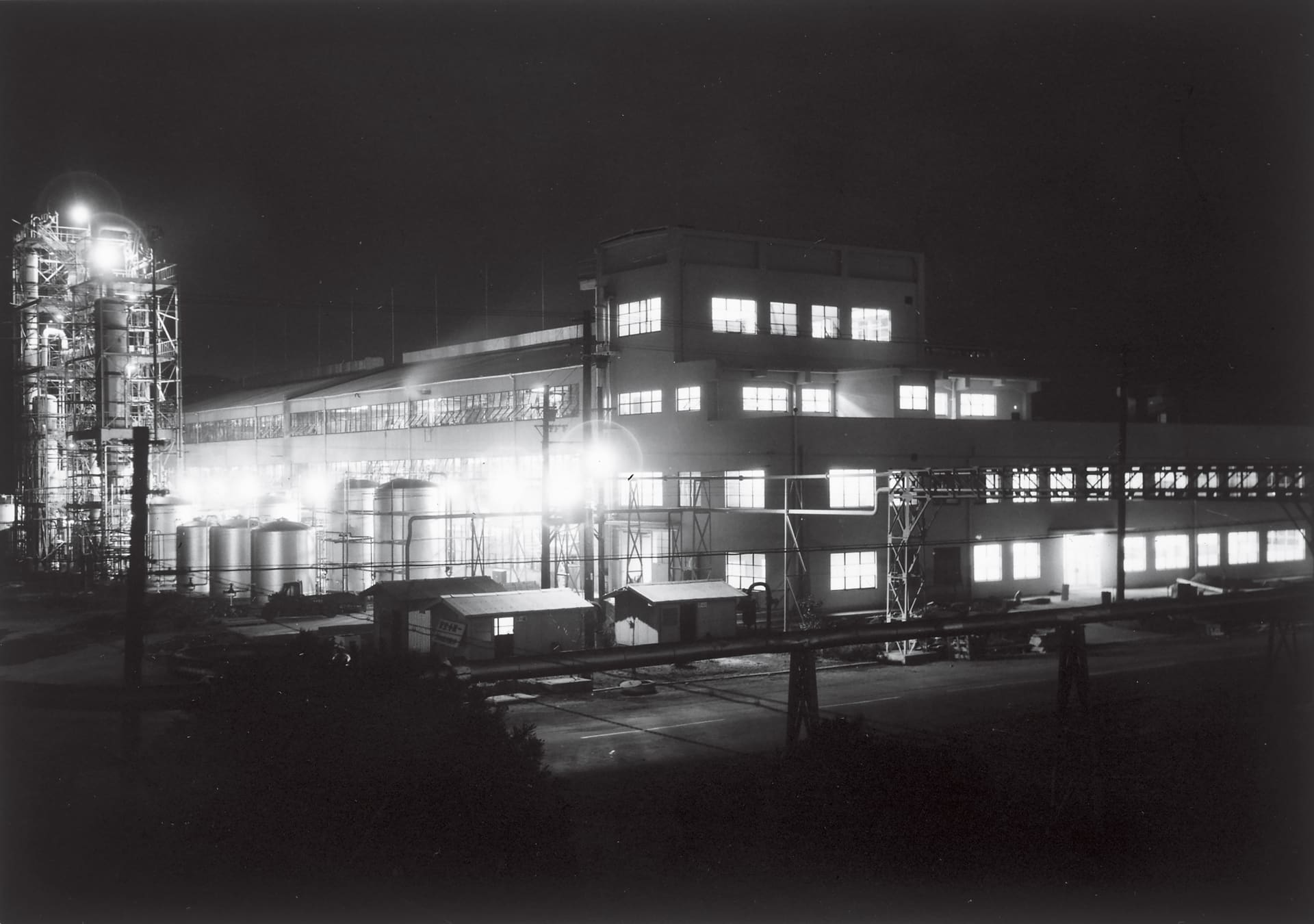
By 1961, Hikari had expanded its production to include vitamin C. Over the following decades, the site also made antibiotics, treatments for chronic diseases and other medicines to help meet patient needs.
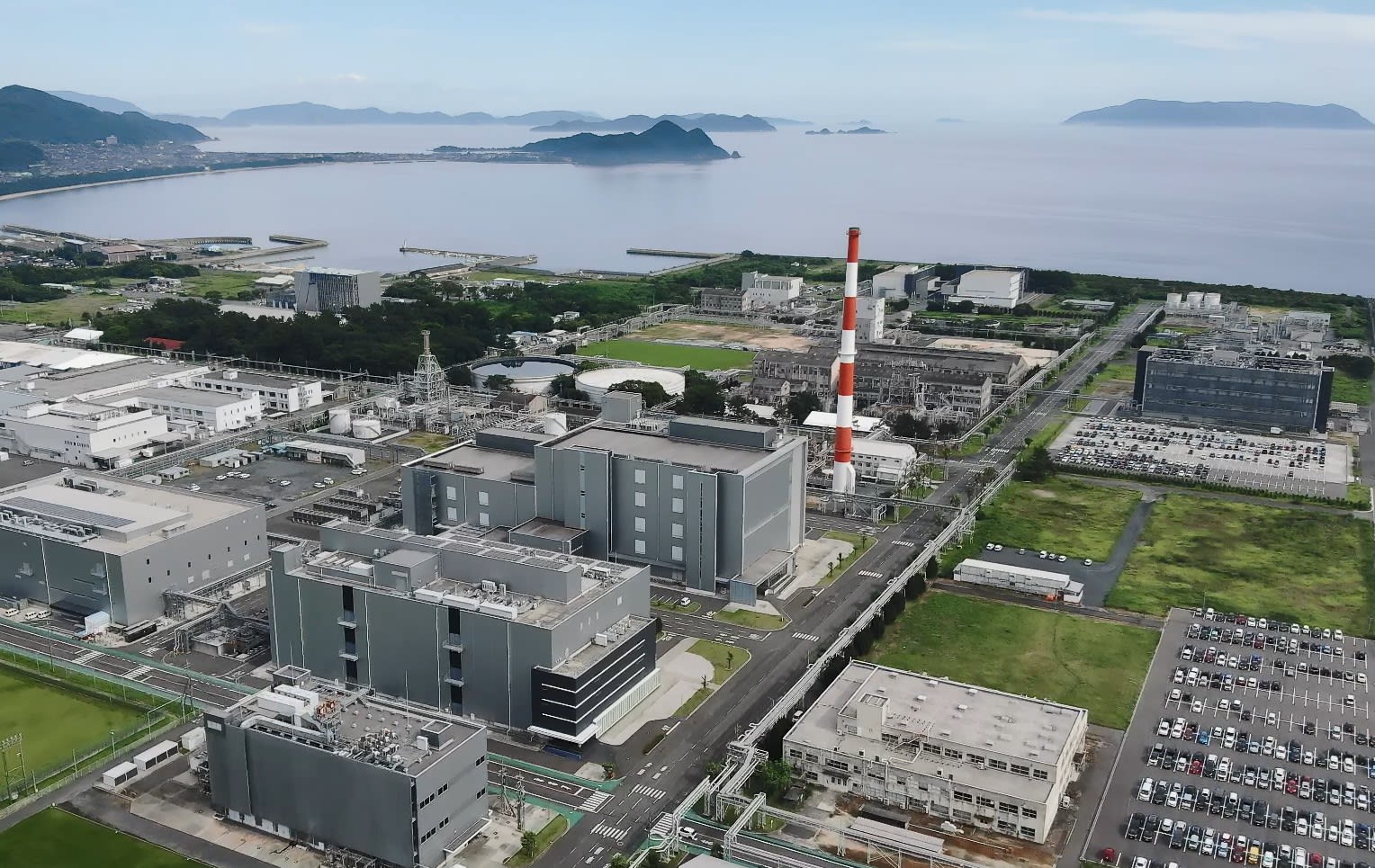
Today, our teams in Hikari make a diverse range of life-transforming medicines – from small-molecule ingredients and tablets to sterile products and vaccines – for patients in Japan and around the world. Their work brings together specialized manufacturing capabilities and expertise to support safe and reliable supply.
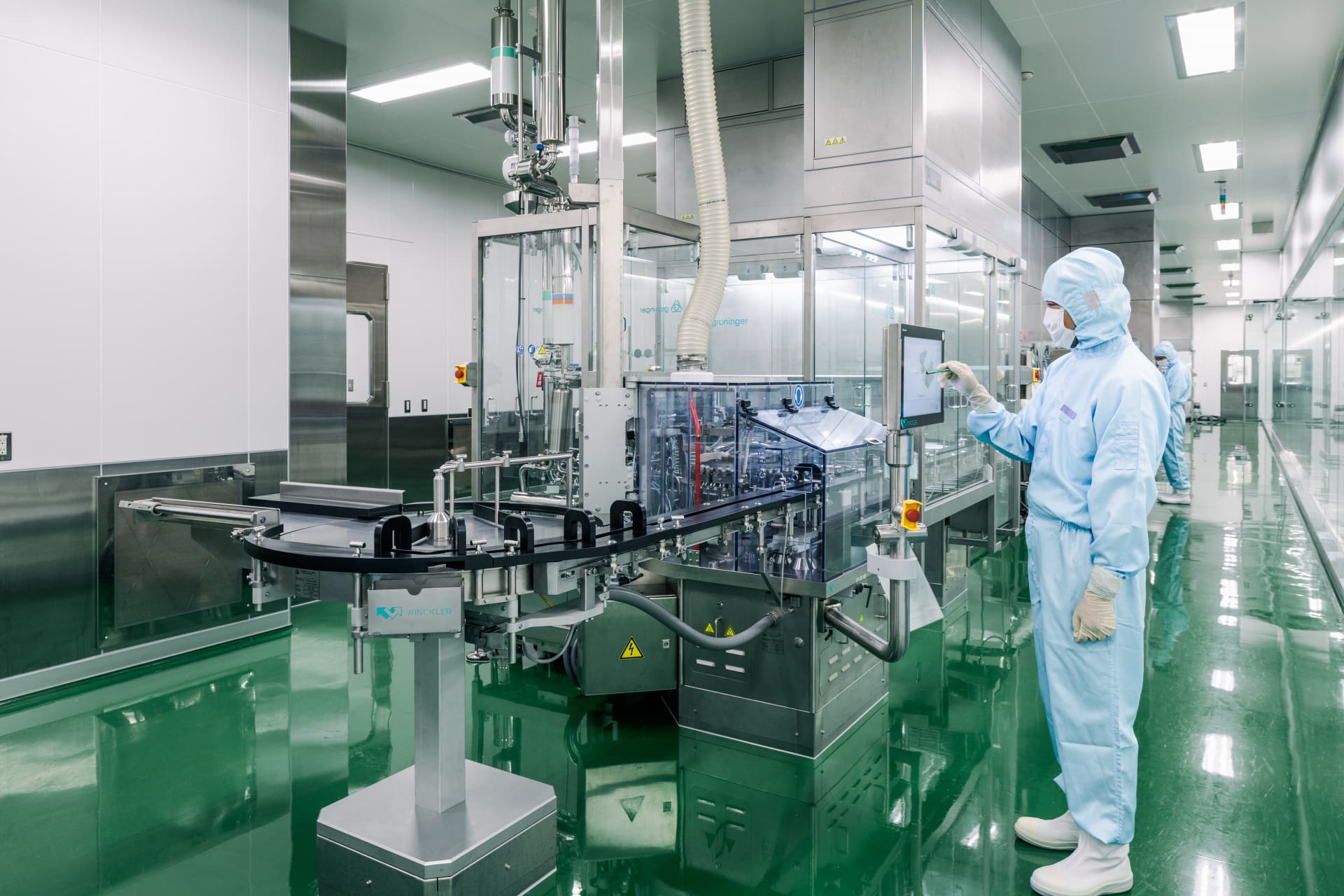
Opened in 2024, Hikari’s biologics line nearly tripled manufacturing capacity for a medicine in the gastrointestinal and inflammatory diseases area. The medicine is supplied to patients in approximately 80 countries.
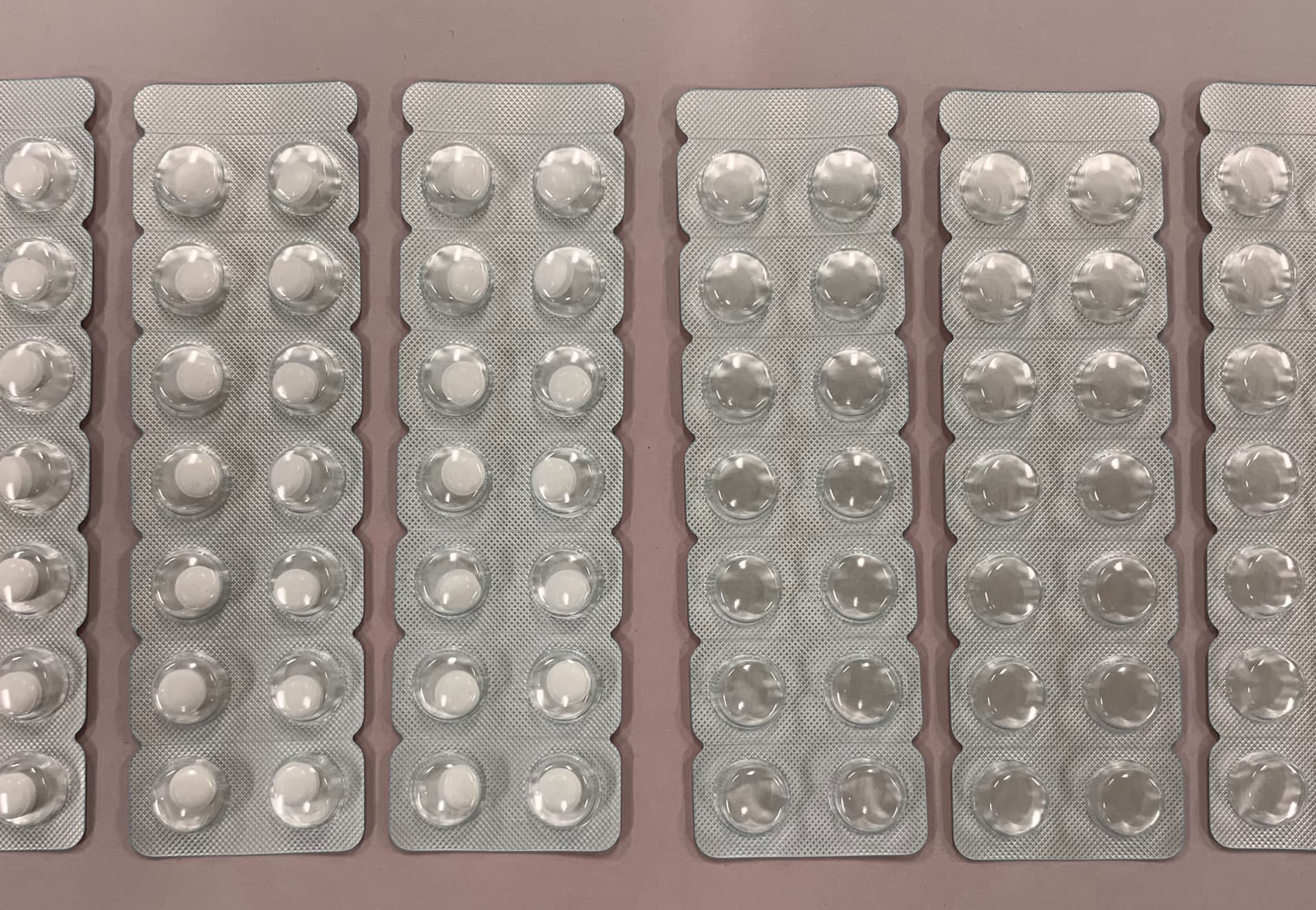
Our colleagues at Hikari also partner with teams across Takeda to carry out the packaging of products supplied in Japan. For our narcolepsy type 1 treatment, this collaboration led to the introduction of Takeda's first blister packaging made from bio-based plastic.*
*Bio-based plastic: Material used in the blister has bio-based content of at least 50%, with the bio-based polyethylene derived from sugarcane-based ethanol sourced from Brazil.
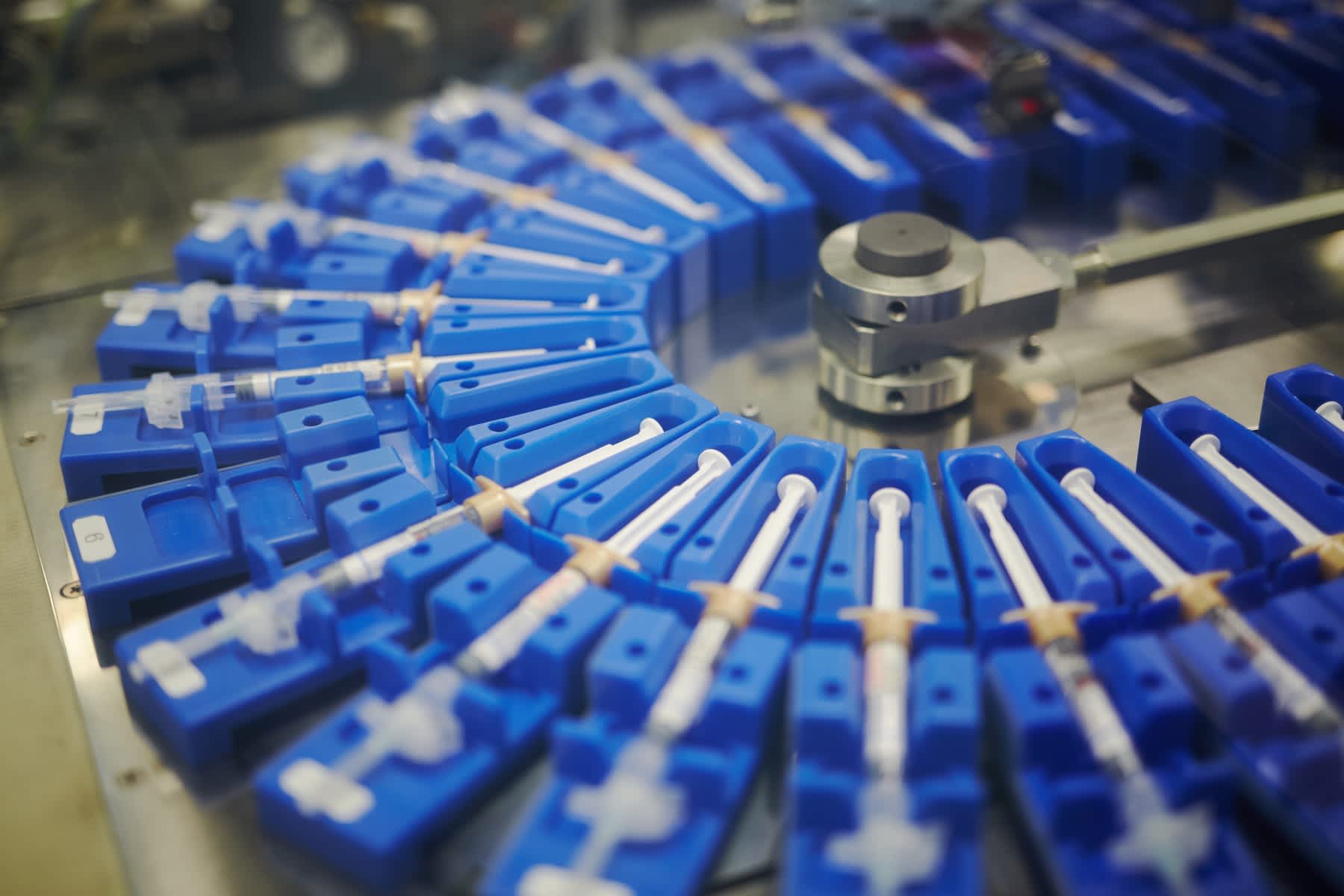
At the heart of Hikari’s continued evolution is a commitment to finding better ways to make medicines for the people who need them. That commitment is illustrated by an injectable medicines line used to make treatments, including cancer therapies, where colleagues are working with data science experts to improve yield. The goal is to produce more medicine using the same materials and equipment, helping make the most of existing manufacturing capacity.
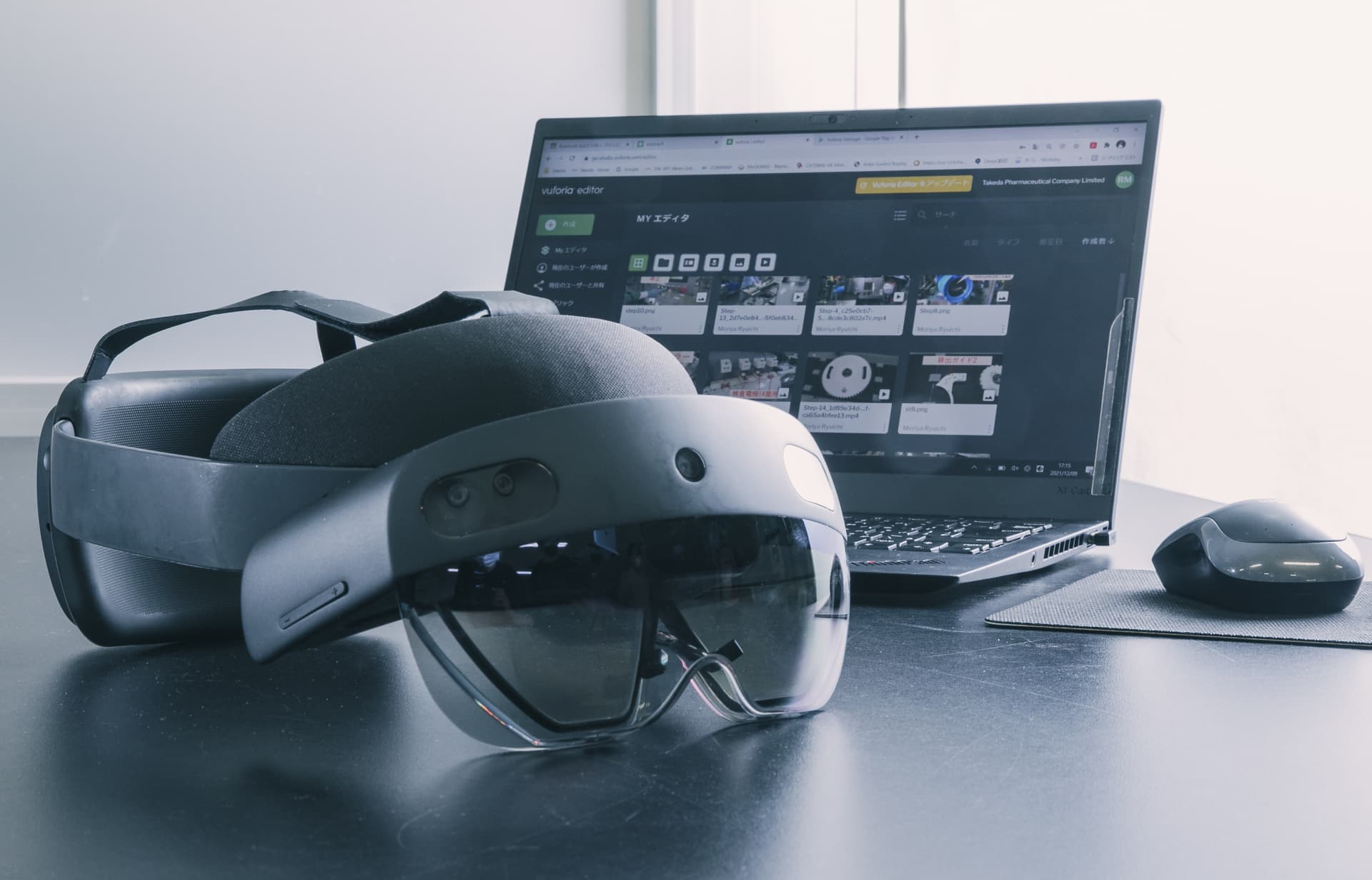
Finding better ways also means investing in the people behind the process. Colleagues use augmented and virtual reality in training and day-to-day operations, building the advanced technical expertise needed to carry out complex work on the production floor.
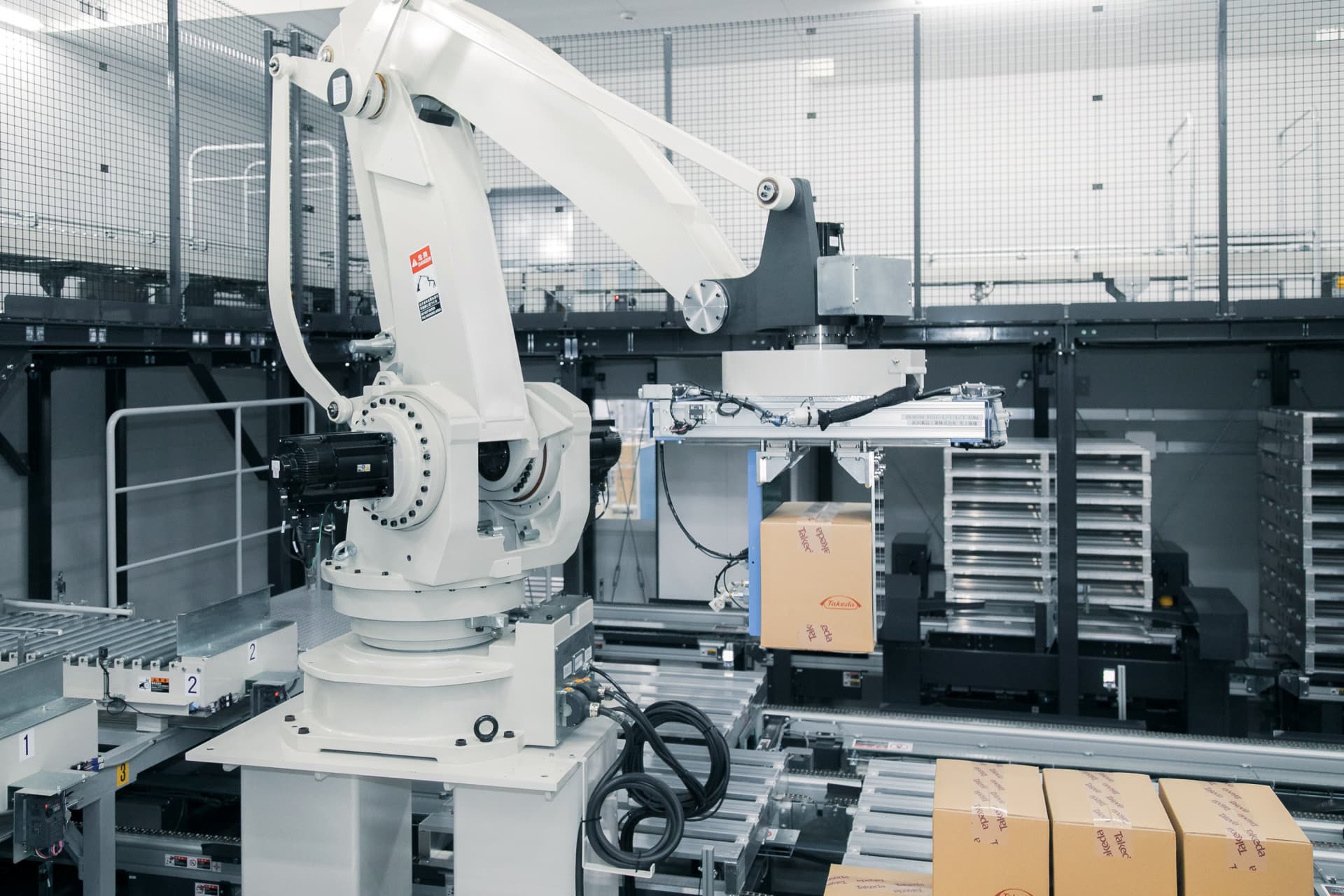
Technology can also help teams improve how medicines are made. Automation and AI are helping to enhance manufacturing processes and support reliable supply, while allowing colleagues to focus their expertise where it can add the greatest value.
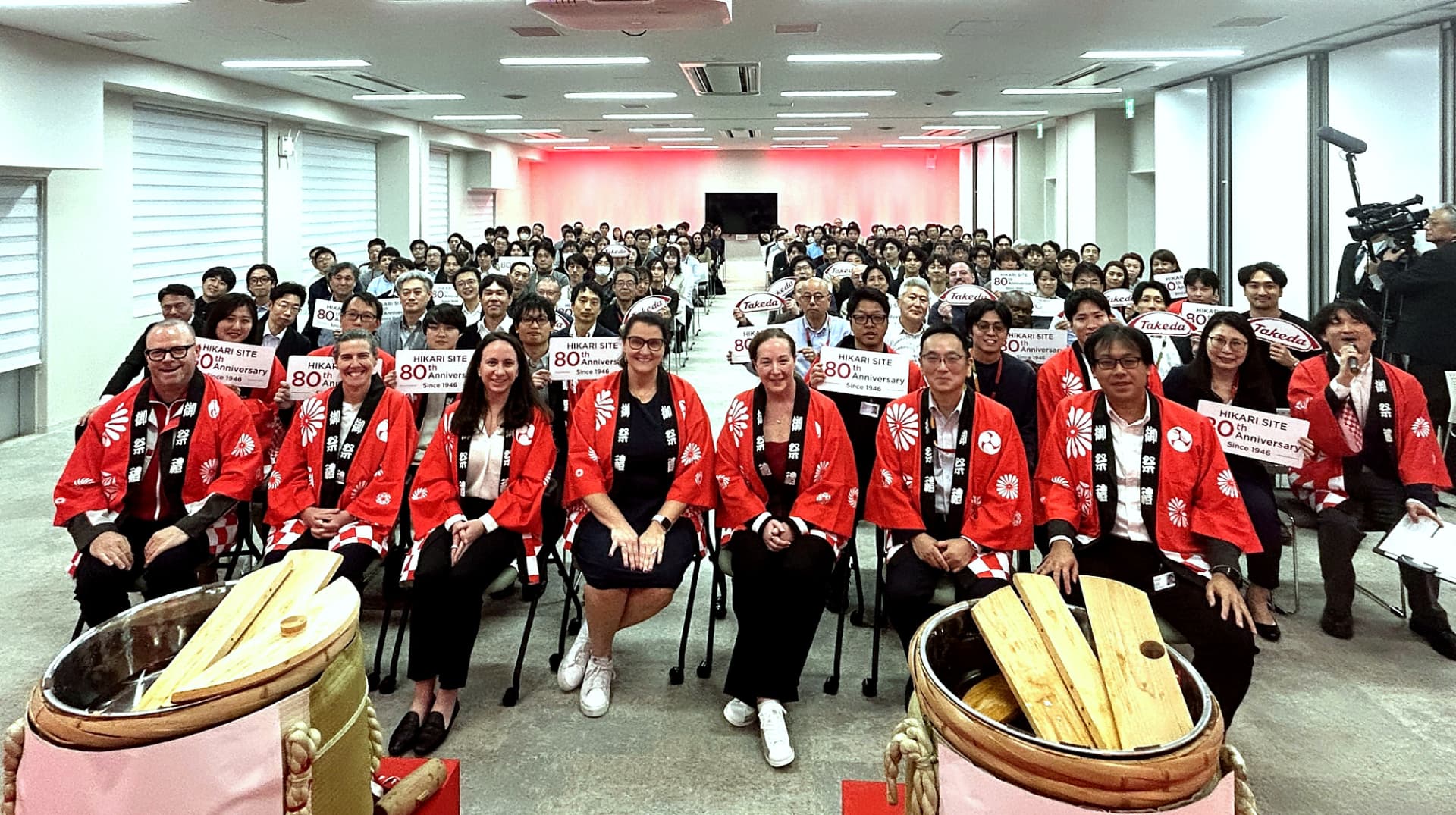
Hikari’s next chapter will be guided by the same commitment that has shaped its journey so far: evolving to meet the changing health needs of patients. By investing in its people, capabilities and technologies, Hikari will continue to deliver high-quality medicines to people around the world.
Related Stories
How patient centricity guides our work

Share this story