
How patient centricity guides our work | Takeda Stories
How patient centricity guides our work
Elaine Shannon shares how our commitment to patients underpins how we prepare for launches, improve processes and release medicines safely and quickly.

Author: Elaine Shannon, president, global supply & quality
We’re not making washing-up liquid; we’re making medicines that make a difference to patients, people and families.
A colleague at a former company used to say this, and the words have stayed with me ever since. They’re a reminder that behind every manufacturing, supply and quality process, every decision and every batch of medicine is a person, and often a family, placing their hope in us.
That perspective became especially personal when my daughter experienced a serious medical condition at birth and relied on medicines while waiting for the life-saving surgery she needed. It brings home why patient centricity must be lived, not just stated.
In Global Supply & Quality, living that commitment starts with a clear purpose: to make, test and release high-quality medicines for the people who need them. That guides how we improve processes, strengthen supply and make decisions about where to focus our time and resources. Because when we keep patients at the center of our actions, we stay true to our purpose of developing and delivering medicines that can make a meaningful difference in people's lives, and we help to build a stronger, more sustainable Takeda for the future.
What does patient centricity look like in practice?
Patient centricity becomes real through the choices we make every day – from preparing for potential new launches years in advance to listening to diverse perspectives and designing solutions that meet different needs. It means making decisions that help bring high-quality medicines to patients sooner, without compromising quality, safety or trust.
Every launch begins with a question: how quickly can we get this medicine into patients’ hands?
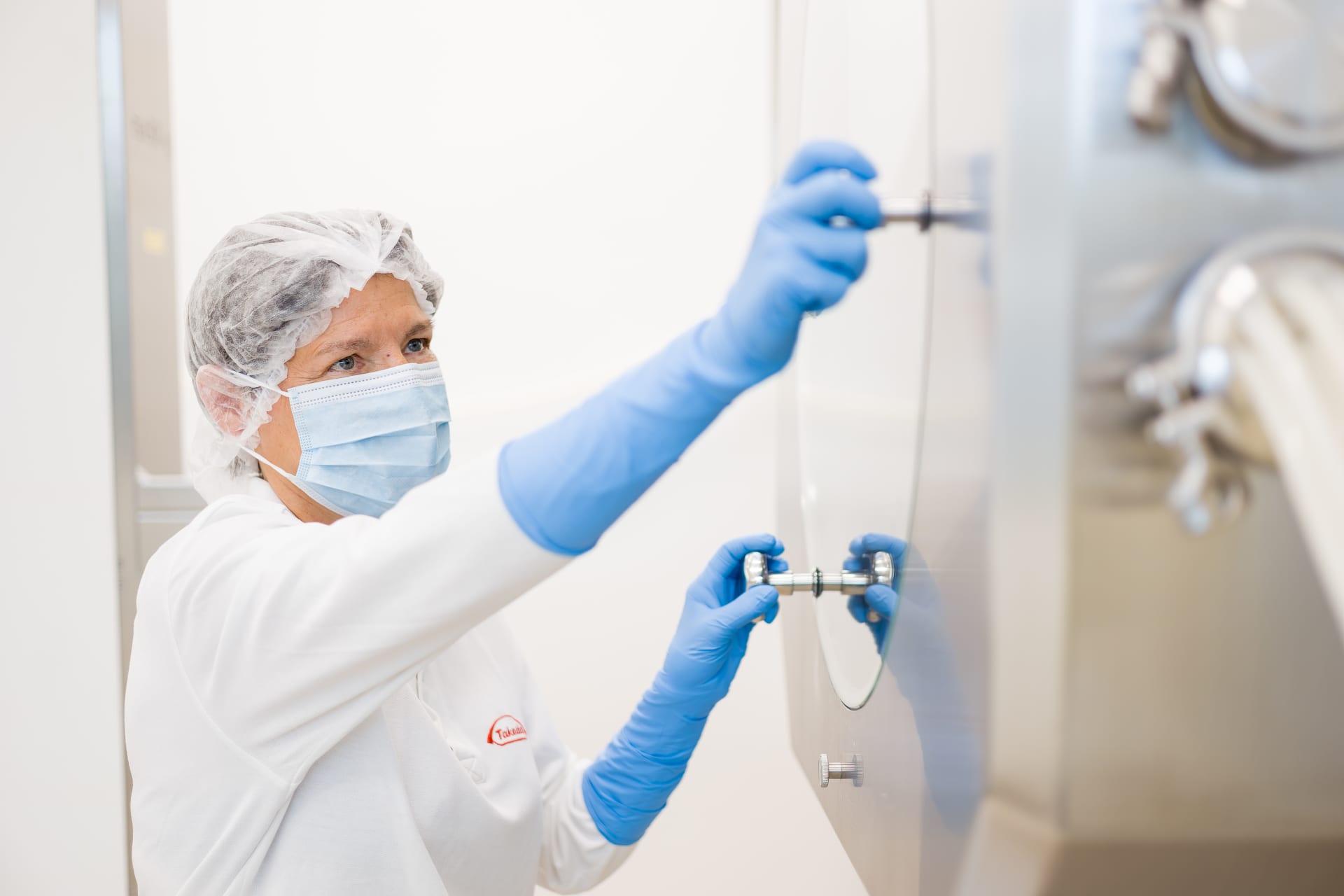
Preparing a new medicine for patients begins long before approval – often five years or more. For our upcoming launches, teams have been working through the many complex steps required to make medicines available safely and reliably.
That preparation includes selecting and transforming manufacturing sites, qualifying materials, contract facilities and labs, transferring manufacturing and testing methods, preparing packaging and labeling, and establishing the quality agreements and supply-chain processes needed for release. During this preparation phase, we plan carefully across the process to anticipate potential challenges and support successful execution. This includes encouraging the teams to think differently with the compliance frameworks and identify solutions when needed.
Working so far ahead helps us move with purpose when an approval arrives. We plan backward from that critical moment, asking how quickly can we get the medicine into patients’ hands? For some products, we’re able to make them available within 24 hours of approval. This is the goal, the ambition for our teams.
When the regulatory approval comes, we make it look straightforward, but all of this requires tremendous coordination, precision and commitment. The fact that it comes together so seamlessly is a testament to the teams involved and to the care they bring to their work. Every detail is planned, coordinated and executed with great attention to quality, safety and patients.
"It’s not about pursuing speed at the expense of quality or compliance. It’s about removing unnecessary delays from complex processes so patients can receive their medicines sooner."
Removing unnecessary delays so patients get medicines sooner
Patient centricity also shows up when we look at how work gets done and challenge ourselves to improve it. One example is our one-day batch release initiative, which aims to simplify and improve the end-to-end medicine release process so that high-quality medicines can move from manufacturing to patients more quickly. It’s not about pursuing speed at the expense of quality or compliance. It’s about removing unnecessary delays from complex processes so patients can receive their medicines sooner.
That requires us to examine processes from start to finish – from systems and documentation to roles and handoffs – and identify where inefficiencies can be removed and how technology can help. The goal is faster, more reliable delivery while maintaining the high standards patients, healthcare professionals and regulators expect. In this dynamic world we live in, we have multiple regulations to navigate, and the teams do this to enable products to reach patients.
Technology helps us focus on what’s important
Digital tools and AI support patient centricity by reducing administrative burden and helping colleagues focus on higher-value work. In a regulated environment, technology does not replace human accountability or judgment. Instead, it supports activities such as documentation, analysis and recommendations, while empowering people to make critical decisions.
The level of digital maturity varies by process, but our ambition is always the same: use technology thoughtfully to simplify complex work, improve speed and reliability, and help our people deliver high-quality medicines.
"Ultimately, that is what patient centricity is about: never losing sight of the person waiting for the product."
No two people are the same
Patient centricity means recognizing that everyone has different needs and abilities. It requires us to look beyond our own assumptions and bring diverse perspectives into all aspects of our work. This is reflected in our initiative to engage neurodivergent talent within our data science team. By valuing different ways of thinking, we’re strengthening our ability to identify patterns, work with complex data and generate meaningful insights.
Another way this shows up is through accessibility in medicine packaging and information sharing. Examples include braille on packaging and inserts, QR codes that provide audio support or enable screen readers, patient information in multiple languages and tactile markings or tablet embossing that can help patients identify their medicines.
These details may seem small, but they can make a meaningful difference, helping make medicines more accessible and easier for patients to use safely. When we listen to different experiences and design with inclusion in mind, we help ensure our commitment to patients reaches as many people as possible.
And ultimately, that is what patient centricity is about: never losing sight of the person waiting for the product. The day I forget there is a patient at the other end of what I do is the day I choose a different profession. That is the standard I try to bring to every decision, every launch and every opportunity to improve how we deliver for patients.
They are the reason we do this work – and, at the risk of sounding corny, it’s about giving them hope for a better future. That’s the promise we try to keep every day.
Leaders across Global Supply & Quality share what patient centricity means to them
"Quality is one of the most tangible ways we demonstrate our commitment to patients. Patient centricity means making decisions as if the patient were in the room because, ultimately, they are the reason behind every decision we make."
Magaly Aham, Global Quality Officer"Patient centricity for me means bringing the best version of myself to work every day. By doing so, I can play a small part in helping bring medicines to patients who are waiting for new treatment options."
Dennis Kim, Global Manufacturing Officer"Whether we’re protecting our people, reducing environmental impact or strengthening supply resilience, our objective is the same: ensure we can manufacture, test and ship our medicines to patients without disruption."
Stephanie Horwath, SVP of Environmental Health, Safety & Sustainability"For me, patient centricity means keeping the patient in mind in everything we do. Ultimately, our work should help patients get timely and successful access to the medicines they need."
Geoffrey Pot, Head of Manufacturing Sciences & Analytical Technology"We cannot fail on our promise to deliver products that make such a difference in people’s lives. Timely availability is paramount, and we’re committed to constantly improving how efficiently we can get our innovative products to our patients."
Schuyler Fairfield, Head of Global Supply Chain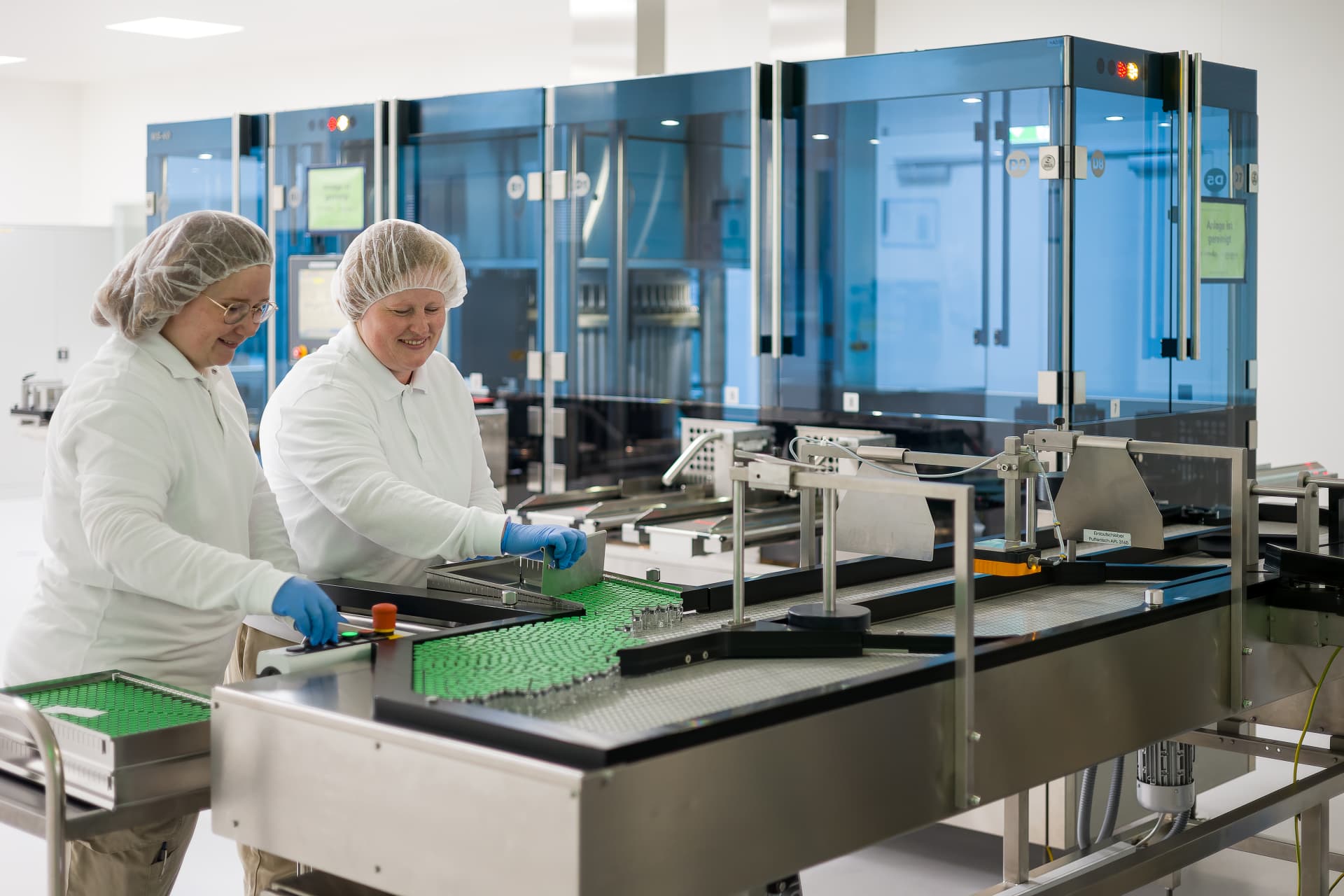
Share this story