Global CSR Program 2025: United Nations Office for Project | Takeda Pharmaceuticals
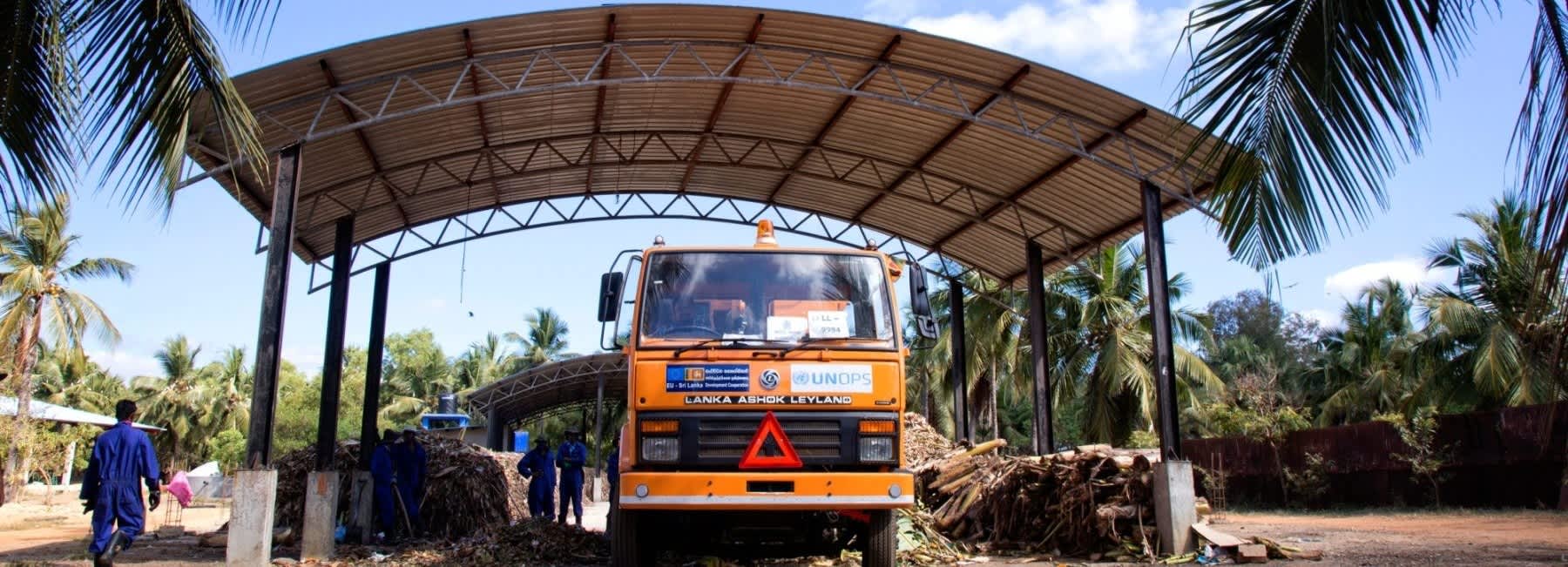
Integrated medical waste program for advanced community transformation in Bangladesh
Safeguarding over 7.3 million frontline health workers and patients from serious infection risks due to hazardous waste exposure by establishing a climate-resilient waste management system
The Program
Partner: United Nations Office for Project Services (UNOPS) Bangladesh
Budget: 1,024 million yen
Term: 4 years
Launch: 2025
Area: Bangladesh
Visit the UNOPS Bangladesh website
Bangladesh faces a critical challenge in medical waste management. Every day, 250 tons of contaminated medical waste is dumped in unmanaged locations, leading to the spread of infections and disease. Open burning of waste releases toxic gases, polluting the air and accelerating climate change. Improper disposal allows hazardous liquids to seep into groundwater, disrupting ecosystems and threatening biodiversity. Uncontrolled dumping also fuels the illegal reuse of needles and medical materials, increasing the risk of infections. These issues contribute to the loss of 5.2 million lives annually, including 4 million children, due to diseases linked to inadequate medical waste management.
The program introduces Bangladesh’s first integrated medical waste management climate initiative, setting a new standard for sustainability and public health. Climate-vulnerable district hospitals will be equipped with purpose-built effluent treatment plants to safely separate and treat contaminated liquids. Advanced sterilizers will be used to clean infectious solids, eliminating the need for burning. Processing facilities and continuous monitoring ensures compliance. The initiative trains 1,500 professionals—including nurses, doctors, administrators, cleaners, and waste pickers—on safe waste segregation, handling, and disposal. Environment-friendly equipment sterilizes waste cleanly, reducing climate emissions to approved levels. Deep collaboration with government stakeholders ensures the model can be replicated for long-term impact.
Takeda’s support is instrumental in protect public health, reducing environmental harm, and setting a new standard for medical waste management in Bangladesh. Over four years, the program will benefit 7.3 million people by safely treating 2,700 tons of contaminated waste and avoiding medical complications due to poor waste handling in public areas. The initiative equips communities with the training and resources needed for lasting change, saving lives and building resilience against climate and health threats.
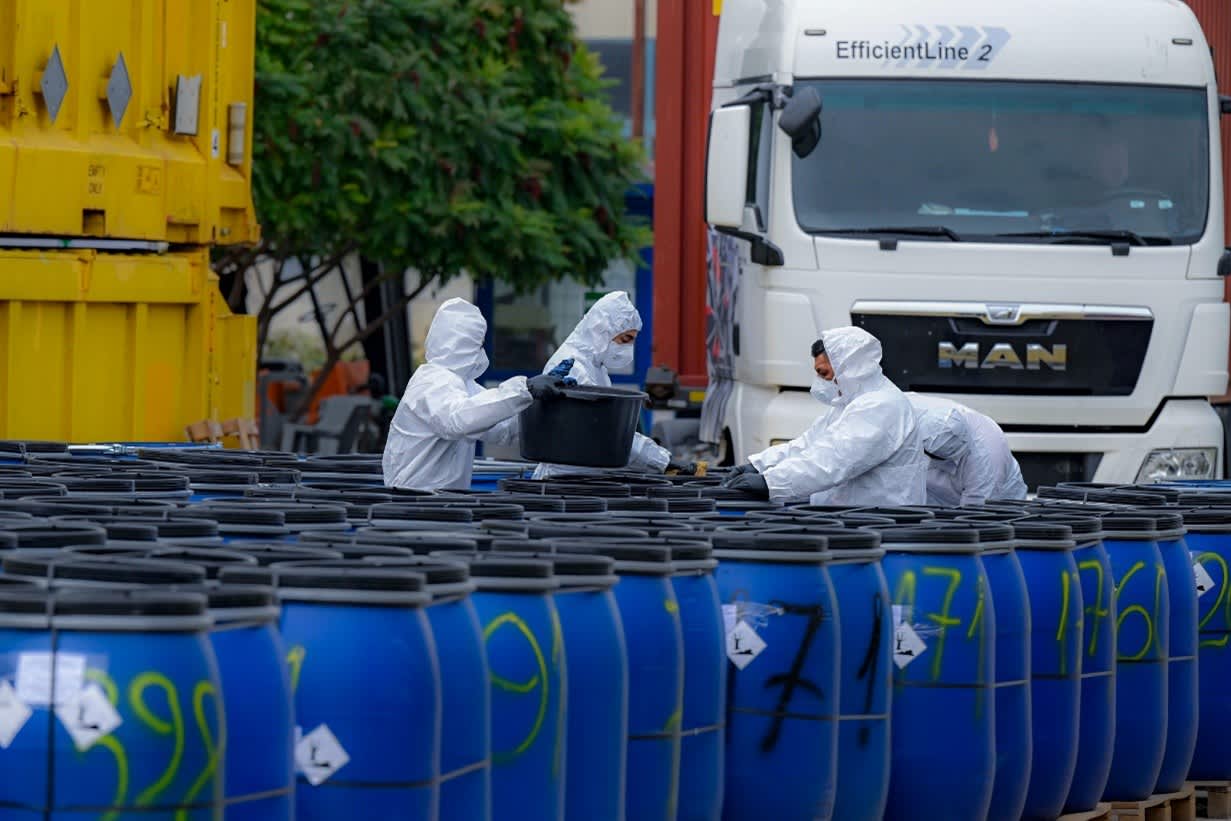
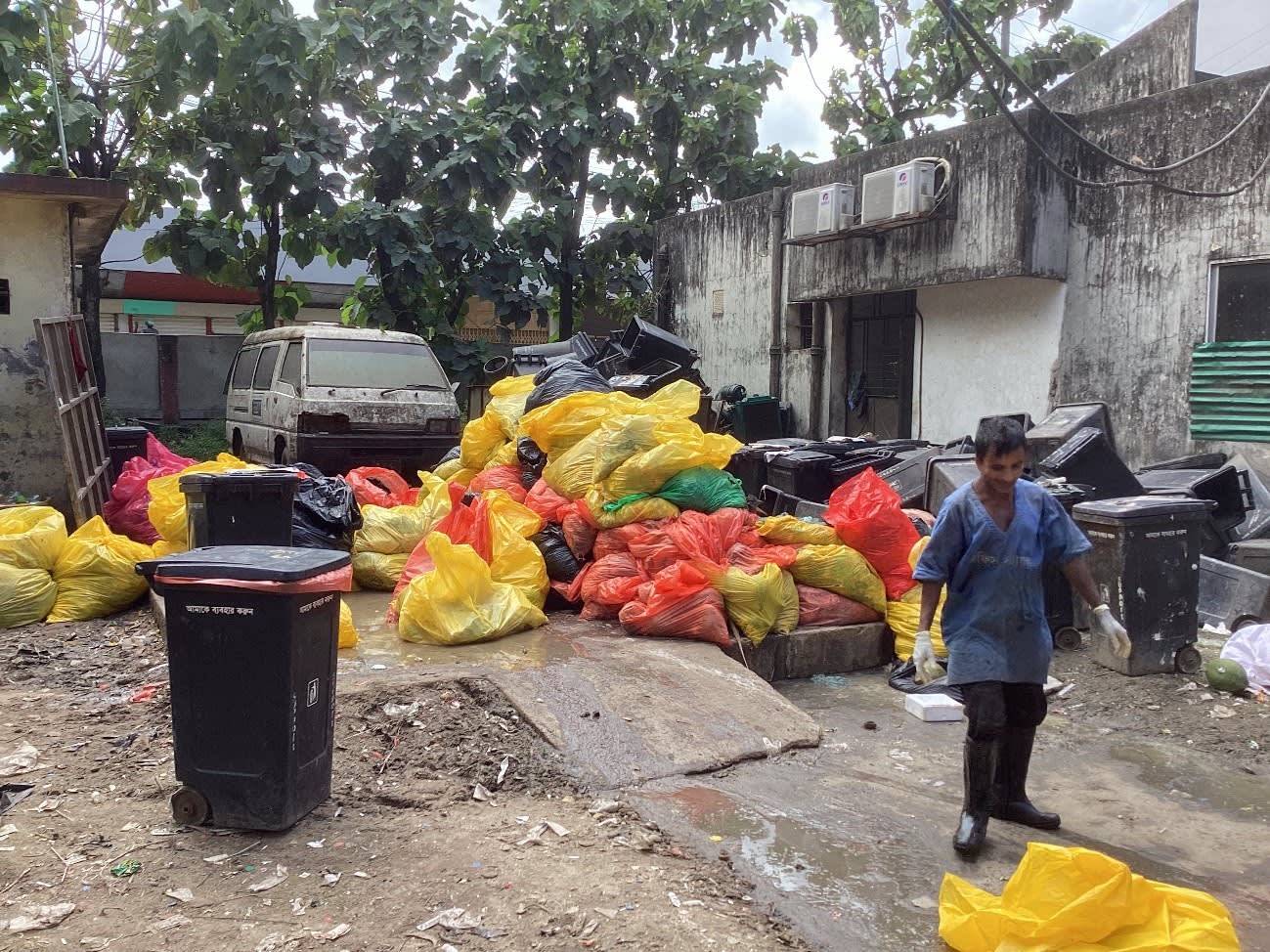
Photo credit: UNOPS
Have more questions?
Contact us if you'd like more information about our Global CSR Program.