
Global CSR Program 2025: International Medical Corps | Takeda Pharmaceuticals
Ensuring medicine access while reducing waste through climate-resilient supply chains in Kenya and Somalia
Enhancing health and delivering better outcomes for 5.6 million people by improving access to medicine through climate-resilient supply chain innovation.
The Program
Partner: International Medical Corps (IMC)
Budget: 906 million yen
Term: 4 years
Launch: 2025
Area: Kenya, Somalia
Visit the IMC website
In Kenya and Somalia, the “last mile” of the health supply chain is the most difficult to reach. Medicines and supplies often fail to arrive in rural villages, leaving millions without timely care. This broken last mile also undermines public health data—especially critical as climate change reshapes health needs. As a result, about 70% of funds spent on medicines and supplies are wasted, preventable deaths occur, and health authorities lack the data needed for improvement.
Kenya faces high maternal and child mortality, rising non-communicable diseases, and frequent outbreaks of cholera, tuberculosis, and polio. In Somalia, protracted conflict, mass displacement, and a chronically underfunded health system contribute to some of the world’s highest maternal and child mortality rates, frequent disease outbreaks, and high malnutrition. Climate change is increasing the frequency and severity of droughts, floods, and heatwaves, further disrupting access to care and fueling disease and food insecurity.
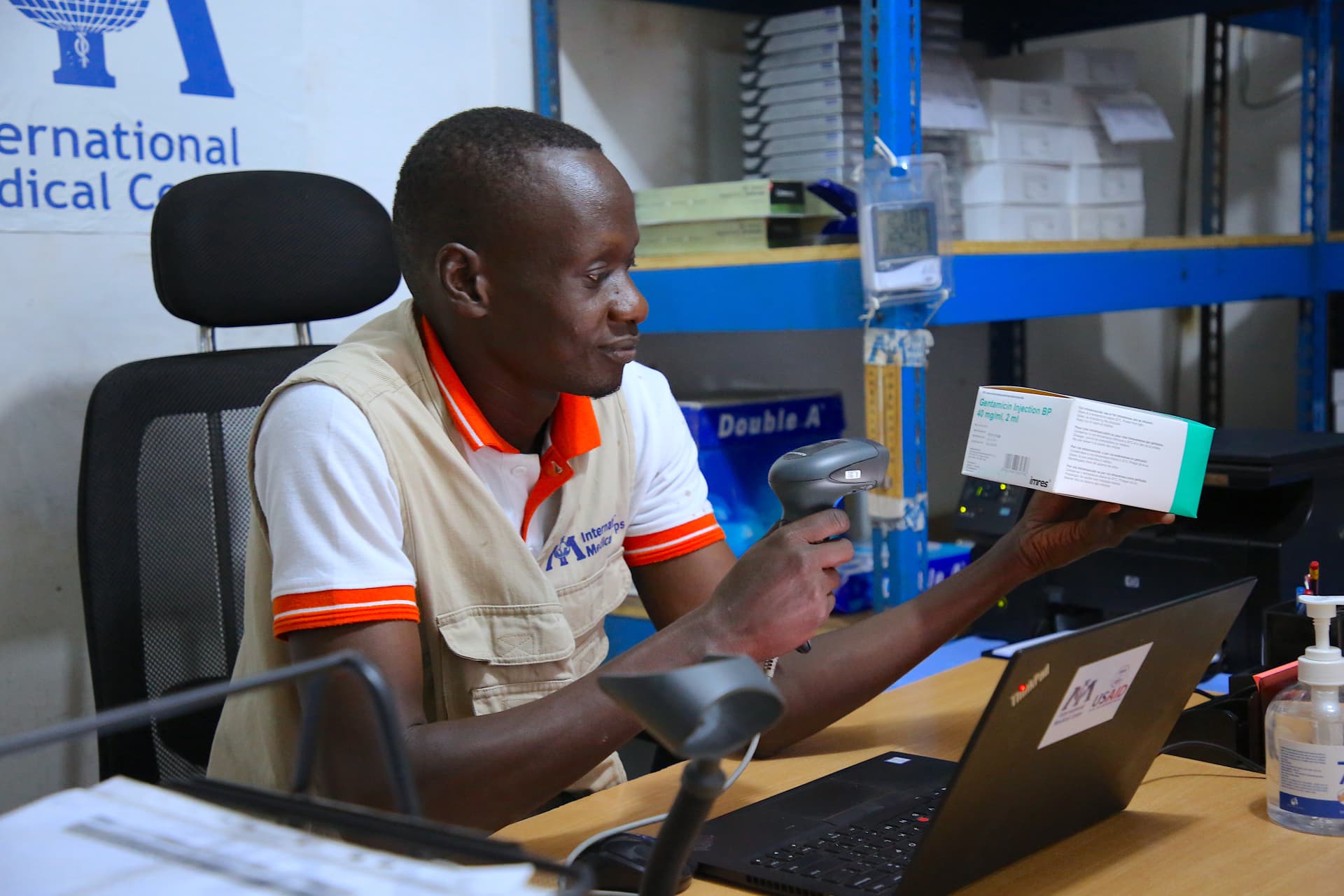
IMC’s Pharmaceutical Information Management System (PIMS) directly addresses these challenges by tracking medicines and supplies to the patient with 99.8% accuracy. PIMS fixes the last mile and adds AI analytics, offering real-time insights into public health trends and improving system resilience—even as climate change intensifies.
The program ensures the right medicines and supplies are available where needed, reducing waste and saving lives. The program will deploy PIMS to 1,000 facilities in Kenya and 200 in Somalia, benefiting 5.6 million people. PIMS strengthens health systems by improving data accuracy, optimizing resource allocation, and enabling rapid response to disease outbreaks and climate shocks. By supporting digital innovation, Takeda contributes to build resilient, climate-adaptive health systems in Kenya and Somalia, protecting millions now and into the future.
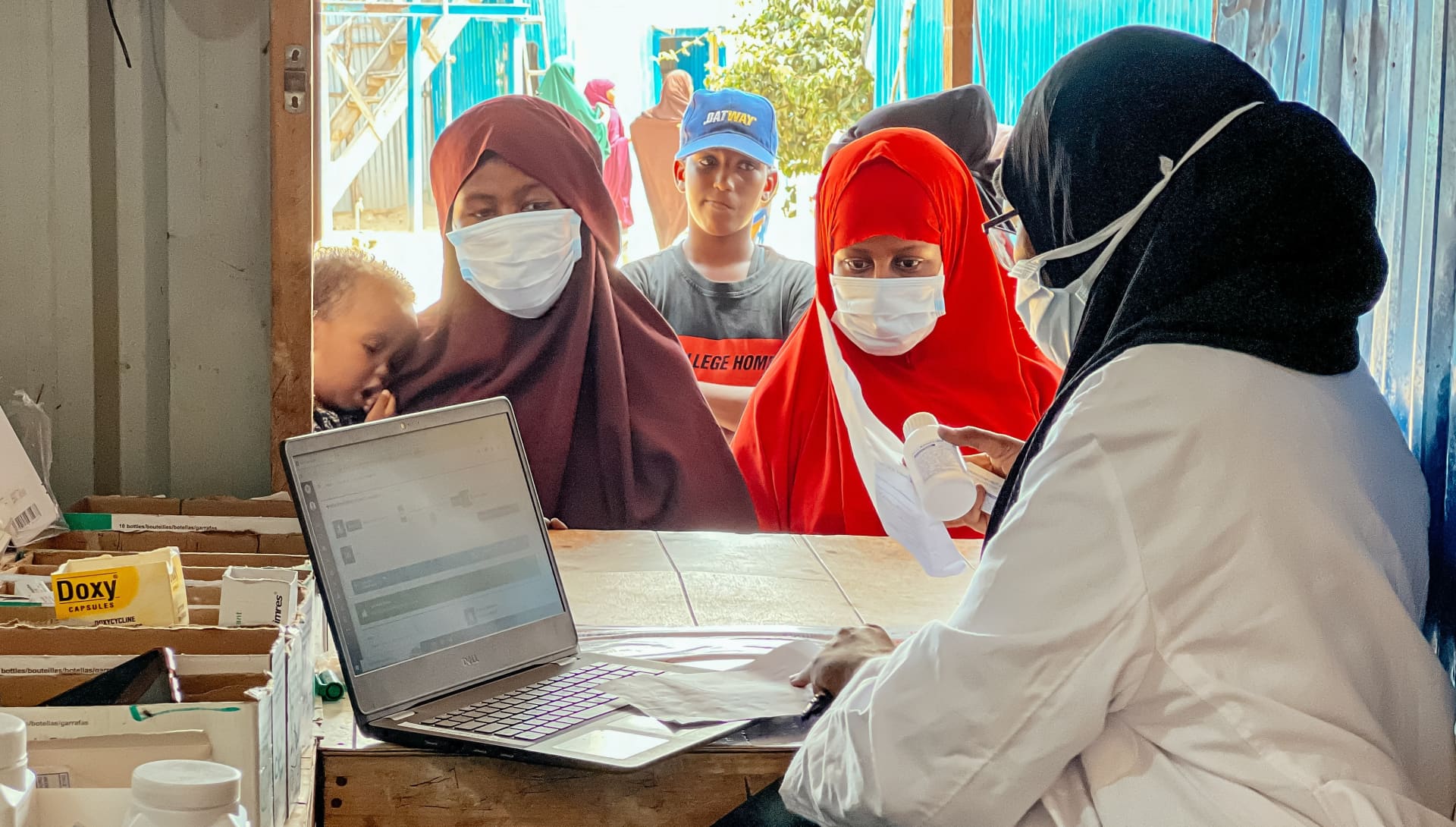
Photo credit: International Medical Corps
Have more questions?
Contact us if you'd like more information about our Global CSR Program.