Unlocking education and opportunity for nurses | Takeda Stories
Unlocking education and opportunity for nurses
How our global CSR program is equipping the next generation of nurses in low-income countries to lead lasting change in health care.
“It was a door opening. It meant I could attend classes with a clear mind, not worrying about being sent home for unpaid fees.”
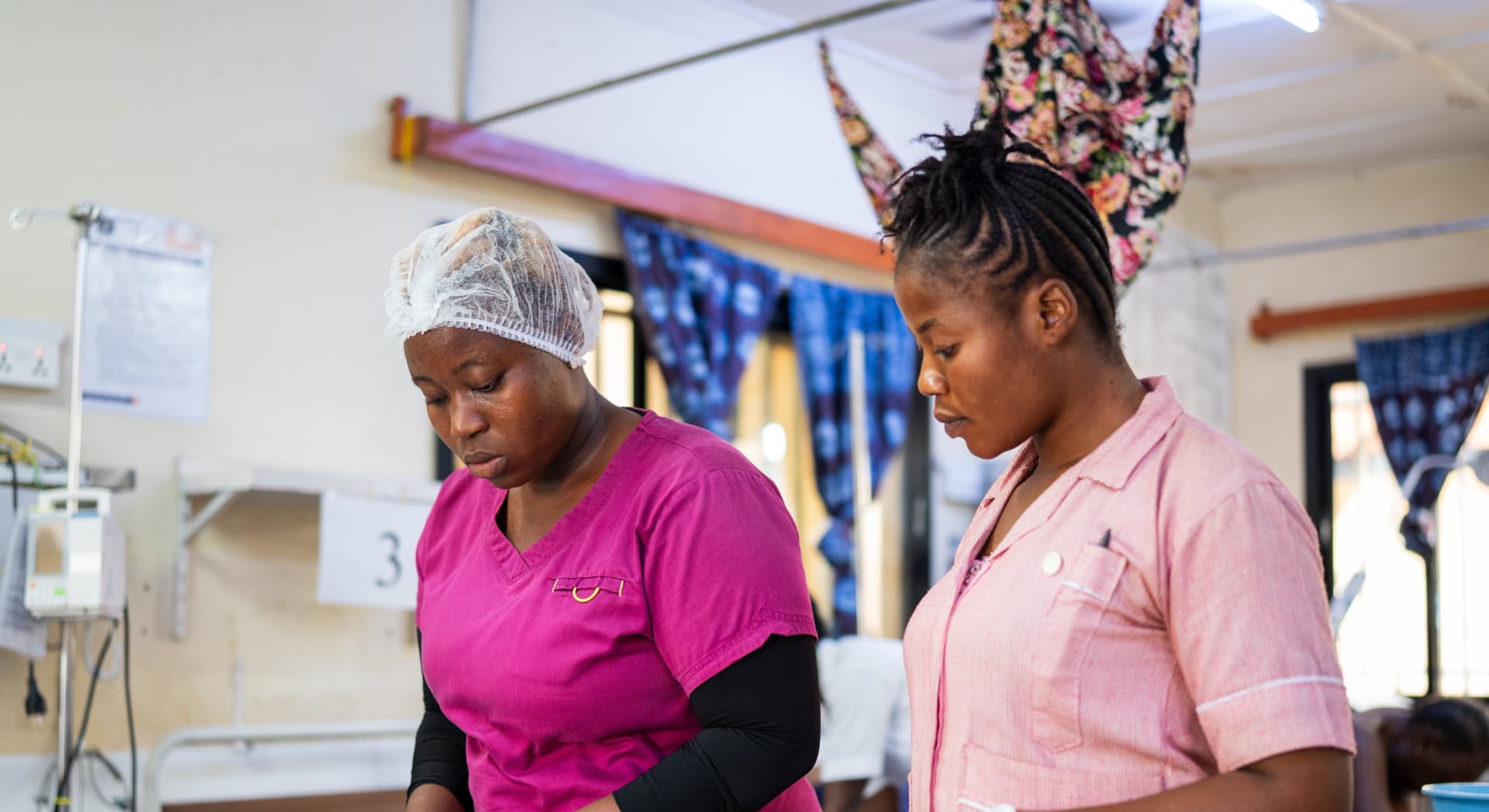
Moinya Lukulay, a nursing student in the final year of her studies in Sierra Leone, recalls how receiving a scholarship changed the course of her future.
“Before I was awarded the scholarship, my dream of becoming a state registered nurse felt distant,” she says. “I’m a single mother of three children from a small village where education is a luxury.”
To become a licensed nurse in Sierra Leone, individuals must complete an accredited nursing program, qualifying them to provide frontline care. The cost of tuition, textbooks and transportation, however, means further education is out of reach for many. The World Bank estimates that half of Sierra Leone’s 8.8-million population lives in extreme poverty.1
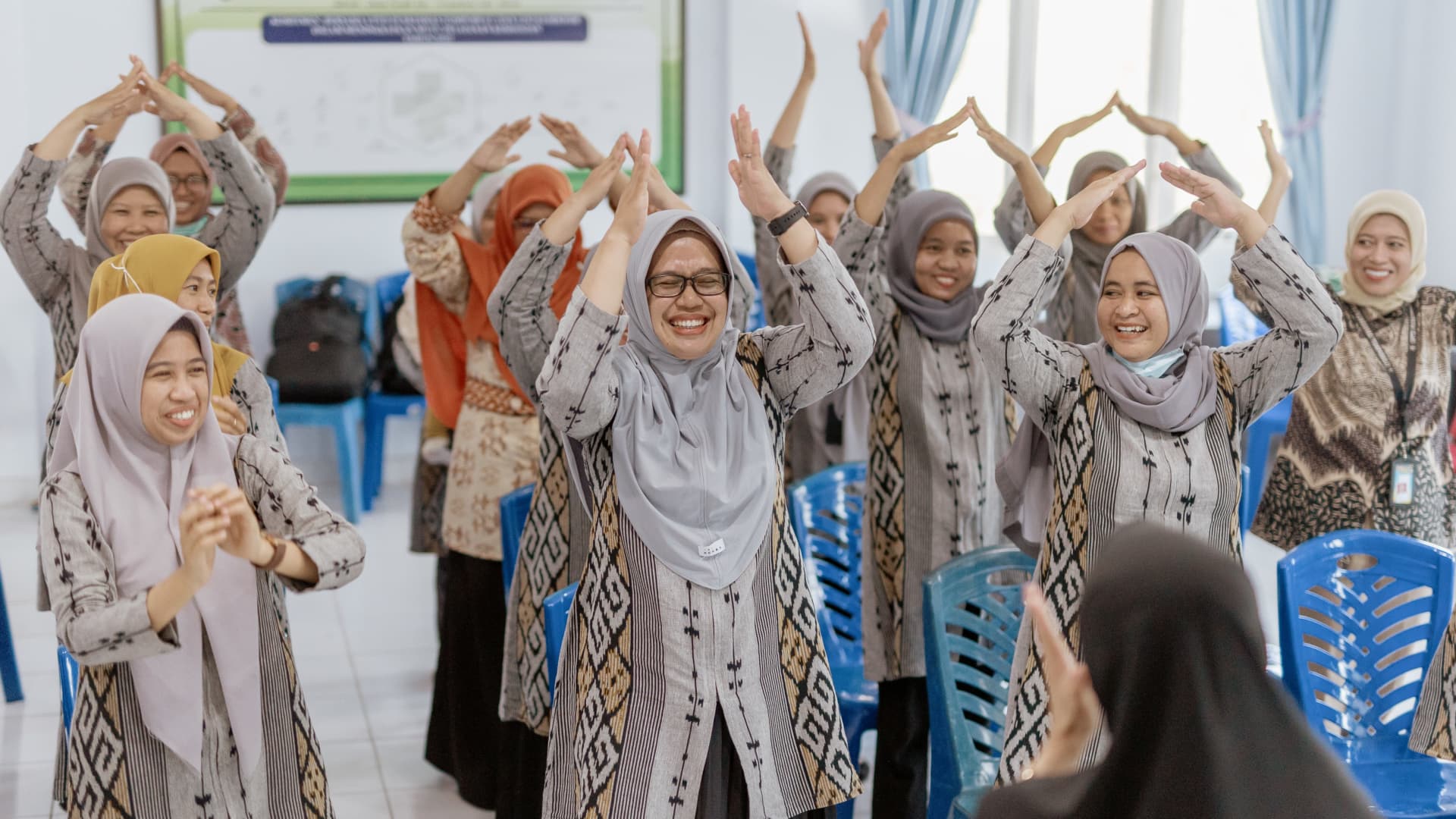
Our collaboration with Partners In Health seeks to overcome the financial and educational barriers that prevent many people in low-income countries from pursuing careers in nursing. By doing so, we can help address some of the causes of health care shortages in those countries. Melissa Ojemeni, deputy chief nursing officer at Partners In Health explains how the program is helping to build more equitable and effective health systems across Malawi, Rwanda, Lesotho, Liberia, Sierra Leone, Haiti, Mexico and Peru.
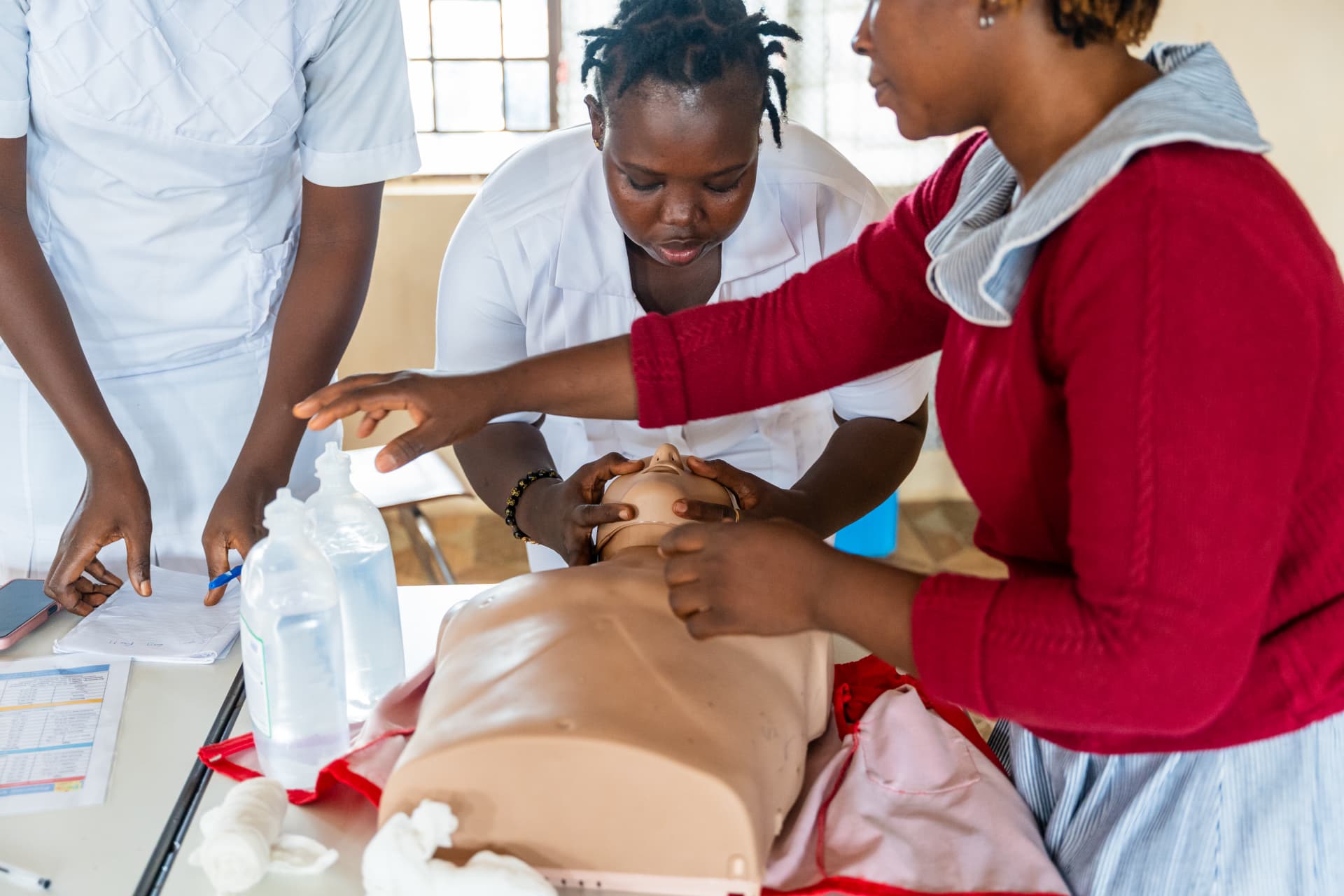
“We’re supporting nurses and midwives with the mentorship, training and opportunities they need to become leaders in their local health systems,” she says. “Our goal is to create a new generation of skilled nurse leaders where they’re needed most. Because in many communities, nurses are often the first and only contact patients have with the health care system.”
The program kicked off in 2024 after being selected by Takeda employees through our annual Global CSR Program vote. In under two years, 1,327 nursing students, nurses and midwives have received professional development and mentorship through training programs and workshops, and 32 scholarships have been awarded to those who couldn’t otherwise afford further education.
Moinya shares: “Without this scholarship, I probably would not have entered college or even dropped out after my first semester. I would have returned to my village, maybe worked as a trader and watched others chase the dreams I once had. I would have lived every day knowing I had the potential but not the opportunity.”
“Today, I attend lectures, participate in class presentations, join study groups and even mentor some of the first-year students. I feel empowered, hopeful and determined. This scholarship has not just supported my education; it has transformed my entire life.”
The program is set to run through 2027, with a goal of training 3,000 nursing students, nurses and midwives across eight countries and potentially helping over 120,000 patients by the end of the project. Takako Ohyabu, Takeda’s chief global corporate affairs & sustainability officer, believes that lasting change in health care requires patience, partnership and a shared vision for the future.
“Our 244 years have taught us that real progress in health care is only possible with a commitment to long-term value creation, tackling the most complex challenges,” she says. “Our support for Partners In Health is one way we’re making that a reality. By empowering nurses to take on leadership roles, we’re helping address critical health care shortages and building stronger, more resilient health systems in communities around the world.”
By removing barriers, this program is creating opportunities for careers in health care that might otherwise be impossible simply because of where someone was born. Moinya sees doors opening for her and others who are ready to shape the future of care in their own neighborhoods.
“Today, I attend lectures, participate in class presentations, join study groups and even mentor some of the first-year students. I feel empowered, hopeful and determined. This scholarship has not just supported my education; it has transformed my entire life.”
References
- Sierra Leone data; The World Bank. https://thedocs.worldbank.org/en/doc/b3502c65235d8c72aef5f34d87ed6298-0500062021/related/data-sle.pdf
Share this story