
“The silent guardian of health”: why packaging matters | Takeda Stories
“The silent guardian of health”: why packaging matters
How we are driving innovation in packaging design to help patients take their medications safely, effectively and in the way that they have been prescribed.
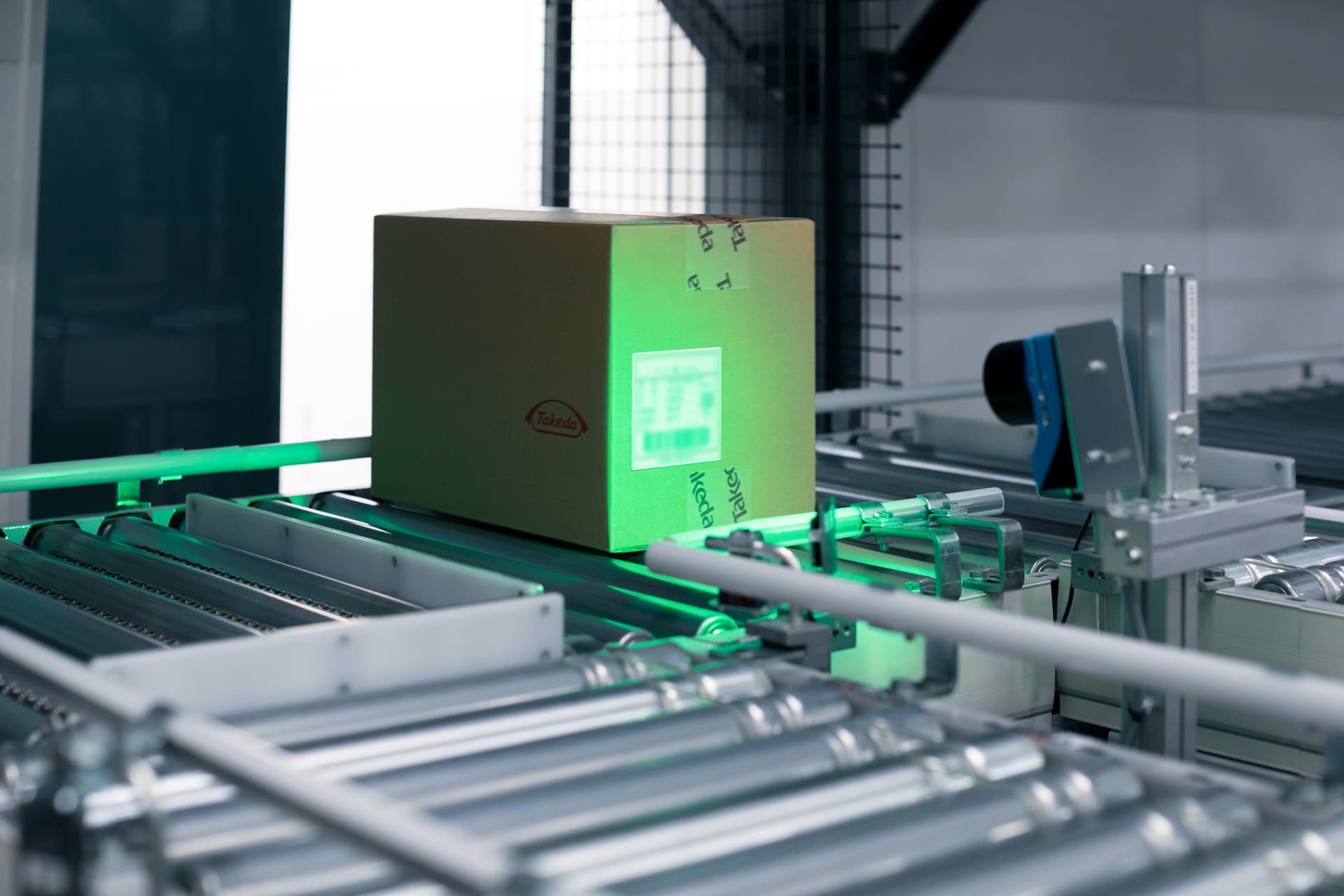
On the face of it, pharmaceutical packaging is simply a bottle, vial or pretty cardboard box. It’s functional. Dig a little deeper, however, and you realize that it’s much more than that.
From the day a medicine or vaccine comes off the production line to the moment it is taken or administered, the pack that contains it is a protector of that therapy’s effectiveness, quality and integrity. It’s a vehicle to communicate how it should be used, a physical representation of trust between the manufacturer and the patient.
No wonder, then, that pharmaceutical packaging is sometimes referred to as “the silent guardian of health”.
Packaging design can influence how safely and consistently a medicine is used. If packaging is unclear or hard to use, it may contribute to confusion, dosing mistakes or even missed doses. Packaging also plays an important role in helping protect a medication from environmental conditions such as moisture, heat and light, and in supporting product integrity by reducing exposure to impurities or contamination. In addition, unique product identifiers on packs can support traceability and help deter tampering or counterfeiting. While no single feature can address every real-world scenario, thoughtful packaging is one part of an end-to-end approach to quality, safety and patient experience.
Increasingly, package design centers on the needs of patients and health care professionals. Takeda, for example, has reimagined the blister pack for one product – a single tablet per blister sheet, with space to write the date it should be taken, plus large, easy-to-read lettering and Braille. That’s particularly helpful for visually impaired patients.
The company plans to introduce caps on bottles that are easier to open, supporting patients who have dexterity challenges. And it has pioneered an award-winning electronic nasal-spray device and packaging that limits doses over a 24-hour period to prevent over-use. Labelling has improved too, making it easier for patients to follow their doctor’s instructions. And in collaboration with our industry peers, we’re moving rapidly towards electronic patient information leaflets and digital product information in many markets, improving readability and accessibility by allowing visually impaired patients to zoom in on text.
With fewer resources needed to produce the packaging and for transportation, there’s also a positive impact on our environmental footprint.

“Patients occasionally present unexpected perspectives, highlighting the importance of incorporating their input into our processes.”
Gathering user insights to ensure concepts meet user needs
At Takeda, however, packaging is not just designed FOR patients, but also WITH patients and health care professionals. Shruti Parikh, director product design in human centered research design, explains: “We start the process by gathering user insights that help us determine our design criteria, sometimes via a full-scale user and market research study. After evaluating a number of different concepts internally, we then carry out extensive usability testing with users to make sure those concepts meet their needs.”
This is the most exciting part of her job, Shruti says. “Patients occasionally present unexpected perspectives, highlighting the importance of incorporating their input into our processes,” she explains. “Only patients really know what works best for them, in the situations where they take their medication. And when someone starts using our packaging solution, we need to be sure they are doing so with the same intent for which it was designed.”
The packaging development process itself is a balancing act, of course. Desirability – the end-user’s perspective – is the starting point. But consideration must also be given to feasibility (can it actually be made, does it meet regulatory requirements, etc.) and viability, which bring factors such as cost and environmental sustainability into play.
This often sparks the kind of innovation that has become Takeda’s hallmark for more than 240-years of history. One recent repackaging project for a cancer product, for example, addressed patient needs following a study on access, usability, clarity and design. It helped boost trust thanks to close collaboration with regulatory authorities in the process. And it even led to a 60 percent reduction in the number of components needed and the removal of 500 kg of plastic waste annually.
Design and use innovation to ensure packs are fit for purpose

Sriman Banerjee, head of diagnostics, software devices & packaging
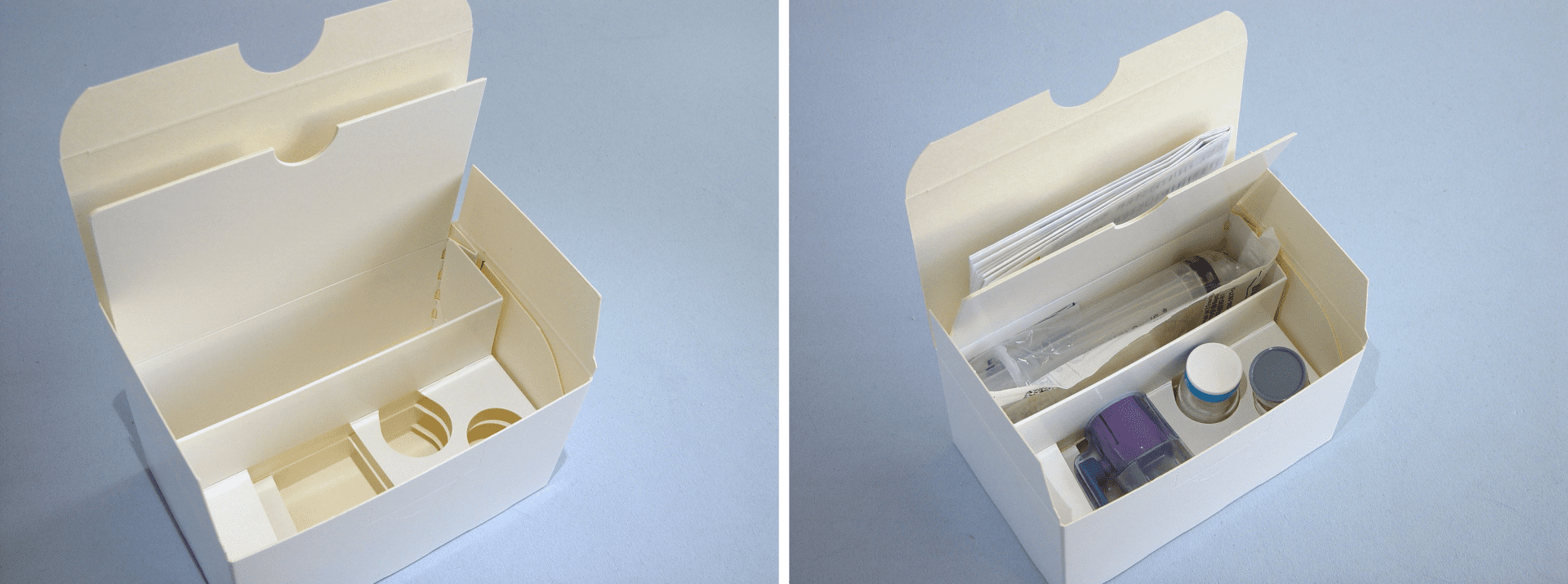
Another award-winning program, for a medicine administered by health care professionals, featured uncluttered design and simple visual usage instructions to improve usability and simplify its administration. It also had a perforated seal for ease of opening and packaging sturdy enough for fridge storage.
This clearly found favor with users who tested it. “The box opens and the elements present themselves one by one in the right order,” said a nurse from France. “It’s like being on a computer screen and following instructions. Everything is easy to identify… it’s clear, we don’t get lost.”
A pharmacist from Germany added: “It’s easy to open. The pictograms are recognizable instantly, with large letters. It’s very positive.”
We are now entering a new era of smart packaging – boxes that connect with a patient’s mobile phone to send reminders about taking a medicine, for example, and bottles that alert health care professionals if doses have been missed. These real-time interventions are designed to reduce burden and complexity for users.
Sriman Banerjee, head of diagnostics, software devices & packaging at Takeda, comments: “Smart packaging technologies are creating a new information touch point for patients. This gives us opportunities to enhance the way people interact with our medications and their providers, from providing personalized product information to offering engaging ways to support administration and adherence.
“These technologies can also help us speed up supply chain delivery and reduce cost by providing real-time tracking, automating inventory management and improving supply chain visibility.”
As the health care industry advances towards more complex pharmaceutical treatments and combination products such as pre-filled syringes, smart packaging will play a crucial role in delivering essential information, guidance and integration with health management platforms.
“We’re working with the mindset that the right thing for us to do must always be the easiest thing for patients to do,” Shruti says.
Share this story