
Reflecting on Progress in Post-Transplant Care and CMV

Reflecting on progress in post-transplant care and the work still ahead
[Patient portrayal] From scientific discovery to patient support, ongoing collaboration is helping address the complexities that can follow transplantation.
This article is intended for general informational purposes only and is not intended to provide medical advice. Please speak with your healthcare provider about any questions regarding your health, diagnosis, or care. This article was developed by Takeda.
For many patients and families, a transplant represents hope after months or years of uncertainty, difficult conversations and time spent waiting for a life-changing call. Yet transplantation is not the end of the journey: recovery can bring a new set of challenges as recipients adjust to a new normal and manage the ongoing complexities of a suppressed immune system.
One such challenge is cytomegalovirus, or CMV, a common virus that causes few or no symptoms in people with healthy immune systems. But for transplant recipients, CMV can emerge from the donor or reactivate when the immune system is intentionally weakened to help prevent rejection. In some cases, it can cause serious complications, including loss of the transplanted organ or even death.
Managing CMV after transplant adds complexity to an already demanding journey. It requires ongoing monitoring, lab work, coordination among care teams and education about risks that may persist long after surgery. Despite advances in care, CMV remains one of the most common infectious complications following transplantation, and disease that does not respond to prior therapies remains challenging for clinicians.
Building on decades of research
For patients, the unmet need is clear: they should not have to compromise the transplant they worked hard to receive while navigating complex treatment considerations.
For Takeda, the journey to improve CMV care has involved more than two decades of research, perseverance and collaboration with the transplant community. From early scientific investigation through clinical research, this work has deepened our understanding of CMV and its impact on patients and informed ongoing efforts to address unmet needs in the transplant community.
Helping progress reach patients
Scientific innovation is an important step, but progress matters most when patients and healthcare professionals can navigate what comes next.
Since Takeda's post-transplant CMV treatment was first approved in the United States in 2021, we have continued listening to patients, healthcare teams and the broader transplant community to better understand the challenges that remain. Those insights have reinforced an important lesson: advancing science is only part of the equation. It's also important that patients have clear information, access to resources and coordinated support to help navigate the practical realities of their care.
Expanding awareness through education
Education remains another critical part of progress. Patients and caregivers may be taking in a great deal of information at a pivotal moment, while healthcare professionals must navigate an evolving body of research and guidance.
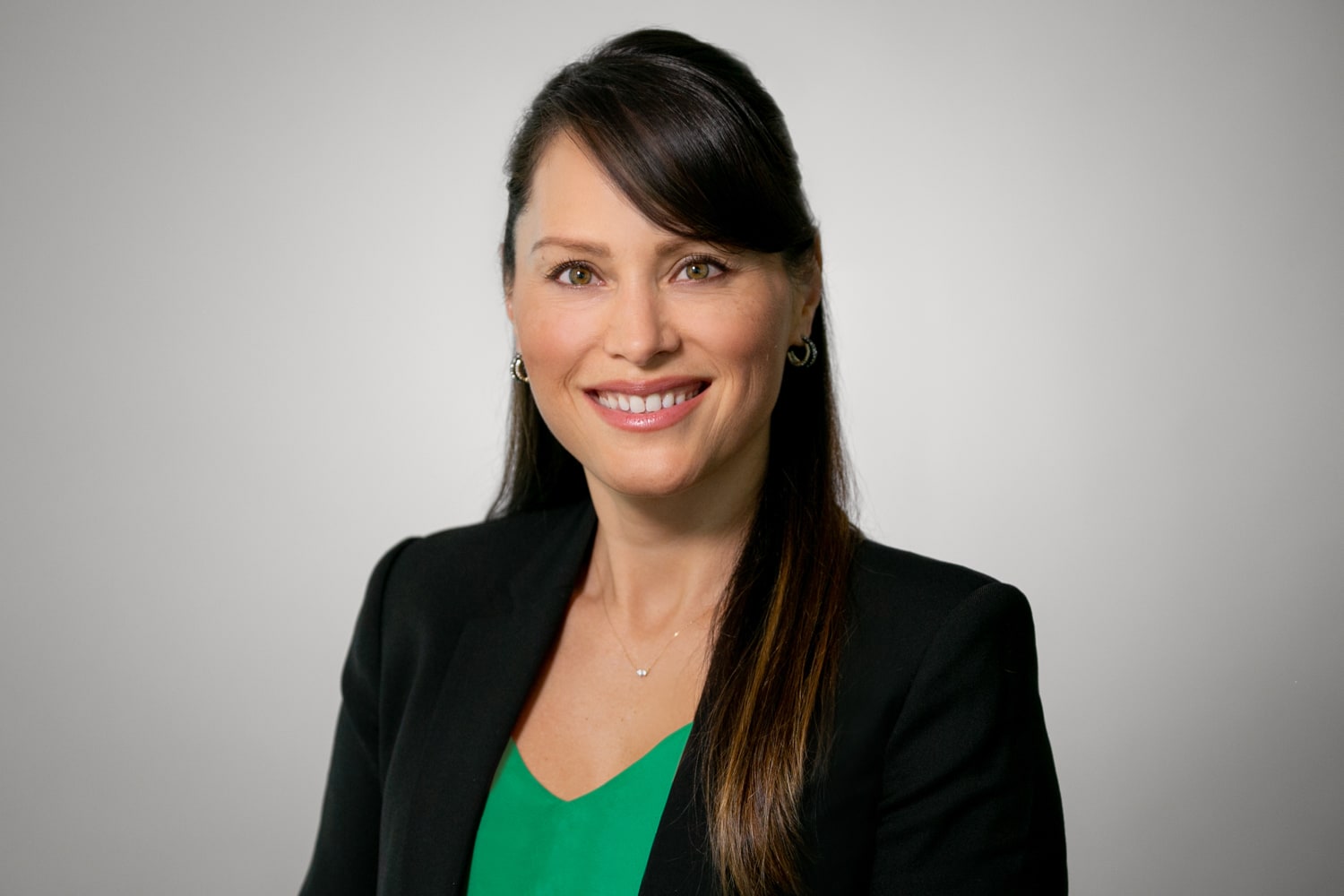
“Patients, caregivers, clinicians, researchers, advocacy organizations and industry partners are all working together to advance understanding and help improve outcomes,” said Natalie Wu, head of the HTP Franchise (Hematology, Transplant and FTPBU Platform Capabilities) in Takeda’s U.S. Foundational Therapeutics Platform Business Unit. “Most importantly, we’re listening closely to the lived experiences of patients and caregivers, which helps ensure that future resources and innovations are grounded in what matters most to the people we serve.”
Listening matters because the questions patients and caregivers ask are not always clinical. They may want to know what to expect, how to prepare for everyday challenges and when to raise concerns with their care teams. As scientific understanding evolves, education must evolve with it, informed by the realities patients and families face.
Looking ahead
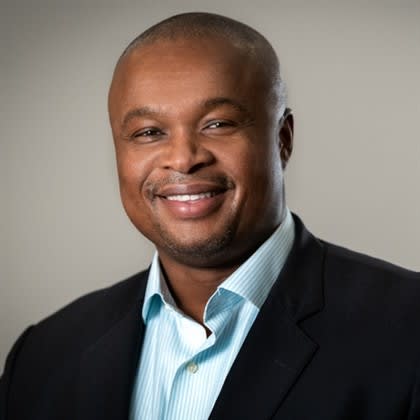
Addressing unmet needs will require the same persistence, belief in science and close collaboration with the transplant community that helped make earlier progress possible. “As a member of the original launch team, I saw firsthand the commitment to research and collaboration that has helped shape our work in post-transplant CMV over more than two decades. Listening to patients and healthcare professionals has reinforced the importance of continuing to address unmet needs within the transplant community, and their perspectives continue to inform our work today." said Obi Umeh, franchise global program leader, Rare Inflammation Franchise at Takeda.
From advancing scientific understanding to expanding education and helping address barriers, we remain committed to the transplant community. Their experiences continue to shape our work today and inspire the progress we hope to make tomorrow.
Key Takeaways
- Transplant recovery can bring complex challenges, including post-transplant cytomegalovirus (CMV).
- Takeda’s commitment reflects more than 20 years of research focused on addressing unmet need in transplant.
- Progress depends on helping patients navigate access, coordination and support.
- Clear education empowers patients, caregivers and healthcare professionals.
- Collaboration and community insights continue to shape the future of post-transplant care.
Share this story