
The doctor who sees narcolepsy through a patient’s eyes | Takeda Stories
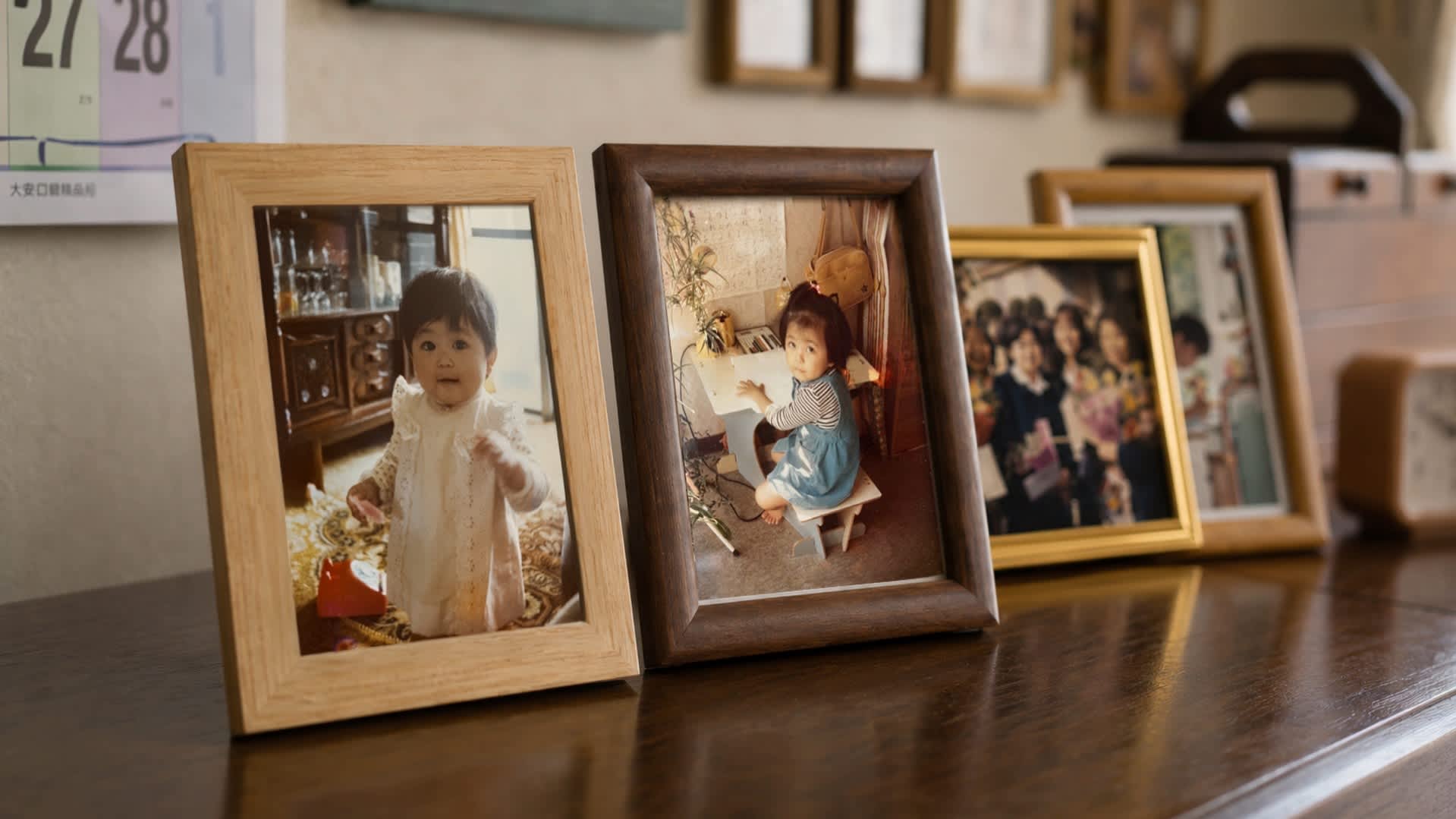
The doctor who sees narcolepsy through a patient’s eyes
This article and associated video was developed and funded by Takeda. It features Dr. Imanishi, a physician living with narcolepsy, sharing her personal experience. Dr. Imanishi was paid by Takeda for her participation. Individual experiences may vary. This video is available to the general public for informational purposes only; it should not be used for diagnosing or treating a health condition or disease. It is not intended to substitute for consultation with a healthcare provider. Please consult your healthcare provider for medical advice.
Dr. Aya Imanishi is a paid consultant for Takeda.
“Generally, people don’t sleep unless they feel sleepy first, but for me it wasn’t like that.”
“What hurt most was not being understood.”
Dr. Aya Imanishi always dreamed of becoming a physician. From an early age, she dedicated herself to her studies. But when she reached 14 years old, she found herself inexplicably falling asleep in class, a symptom that puzzled her and those around her.
“I would notice that time had passed in class and think, ‘Huh?’” she says. “My friends would tell me I was sleeping, and I’d think, ‘Really?’ When I told my parents I’m not sleepy, but I fall asleep, they said, people don’t fall asleep unless they’re sleepy. That’s how it works.”
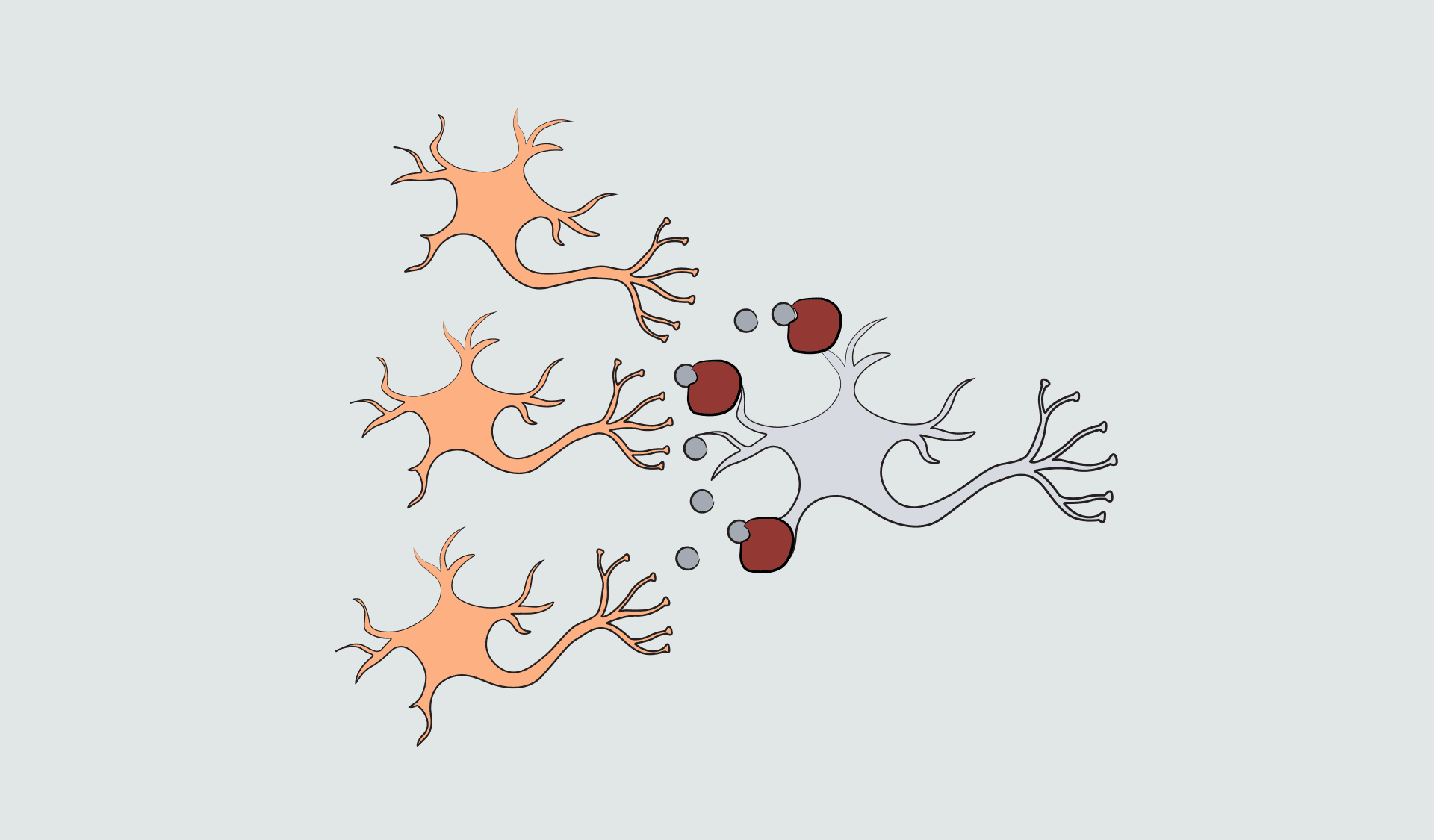
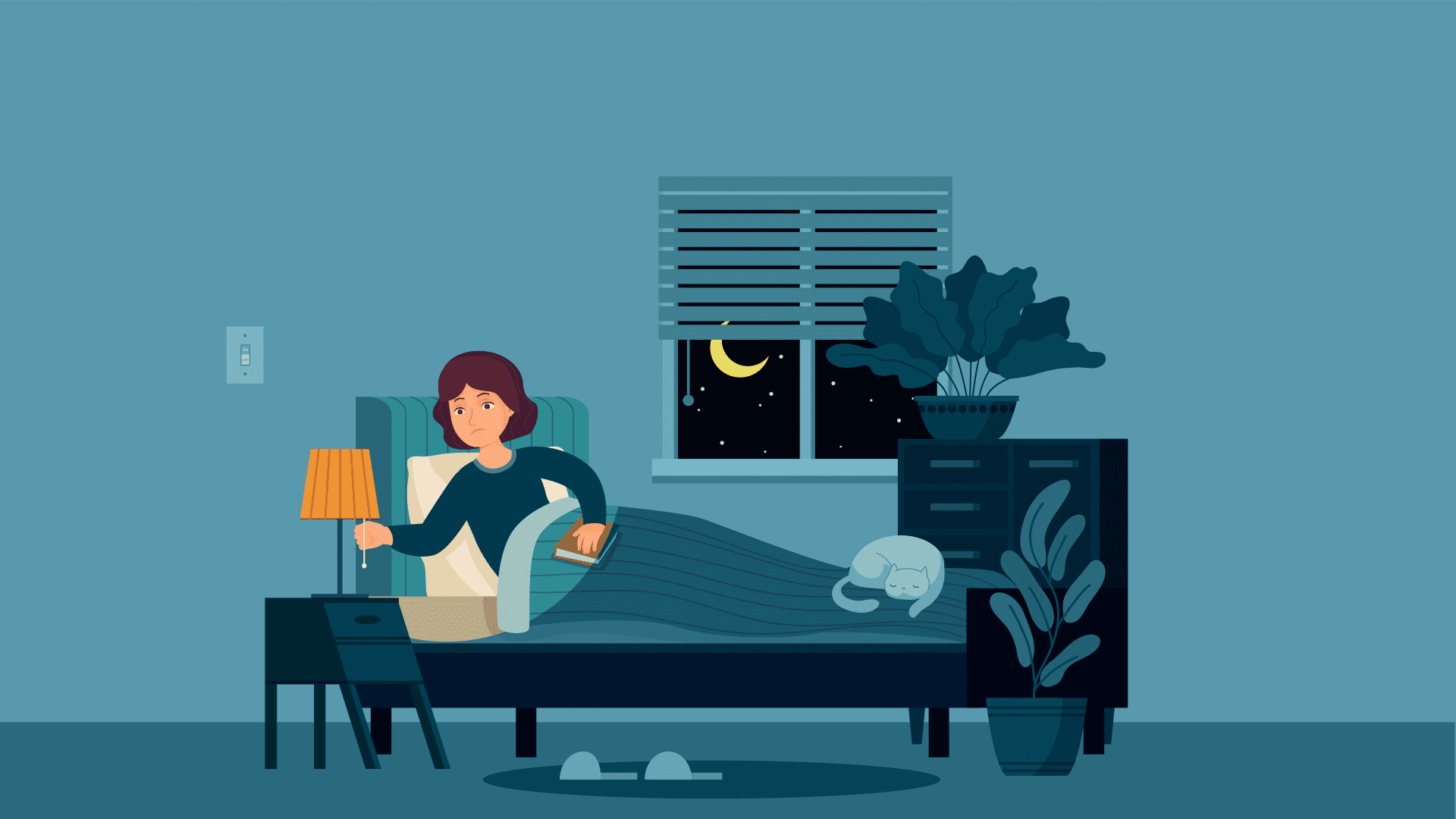
Dr. Imanishi didn’t know it at the time, but she was navigating the difficulties of narcolepsy type 1, a rare, chronic neurological disorder caused by loss of orexin and impaired orexin signaling and characterized by excessive daytime sleepiness, disrupted nighttime sleep and a sudden loss of muscle control known as cataplexy.1 Dr. Imanishi often missed important learning opportunities at school and fell asleep in the evenings, making it difficult for her to study. As her condition increasingly affected her daily life,1,2 she saw her grades begin to decline. Misunderstood as laziness or lack of drive, she faced stigma often associated with sleep disorders.3
“I was told things like, you fall asleep because you lack motivation,” she says. “I questioned myself, wondering if I lacked self-discipline, if I was sleeping because I wanted to avoid my responsibilities.”
“Understanding that it wasn’t my fault, I felt like a weight had been lifted from my shoulders.”
Yoshihiko Furusawa, who leads our Japan Medical Office, says that because of the 24-hour nature of the disease, individuals living with narcolepsy face daily challenges.1,2 These can include having less usable time in the day than others, which impacts their ability to perform at work or school and manage social interactions,1,2,4 all while confronting the stigma of being perceived as lazy or irresponsible.
“In addition to the symptoms themselves, the misconceptions and misrepresentations around narcolepsy can create significant hurdles for those living with it,” he says. “That’s what drives commitment. We aim to support continued research into areas with unmet medical needs – a principle that has guided Takeda for over two centuries.”
To pursue her childhood dream, Dr. Imanishi decided to take a gap year to prepare for university entrance exams, adapting her study schedule around her symptoms. Her experience illustrates how people with sleep-wake disorders may make significant adjustments to manage their symptoms.5 She went on to medical school, where, encouraged by a friend to seek medical advice, she was finally diagnosed with narcolepsy type 1.
“Understanding that it wasn’t my fault, I felt like a weight had been lifted from my shoulders,” she says.
With a diagnosis and an individualized management plan, Dr. Imanishi was able to better manage her symptoms and focus on her career interests. Even so, she continued to navigate the ongoing challenges of living with narcolepsy type 1. She found that the demands and schedules of certain roles required careful consideration and ultimately influenced her professional direction. Inspired by a sleep specialist who encouraged her to draw on her lived experience, both as a patient and a healthcare professional, Dr. Imanishi chose a path that allowed her to support others while contributing to a greater understanding of sleep disorders.
“Because I’ve been through it myself, I have a good sense of what situations can be challenging,” she explains. “Being able to talk with patients about those concerns is where my personal experience can help.”
Through her work and involvement with patient organizations, Dr. Imanishi has helped create educational materials for schools across Japan and organizes an annual event where people living with narcolepsy can share their experiences with healthcare professionals. Her goal is to ensure that individuals with narcolepsy receive the care they need to fulfill their potential.
“I think there are people who can’t live as they wish and give up their dreams,” she says. “But with timely recognition of their illness and the development of an appropriate, individualized care plan, they better manage the impact of symptoms and pursue what matters to them.”
References
- Dauvilliers Y, Beziat S, Pesenti C, et al. Measurement of narcolepsy symptoms: The Narcolepsy Severity Scale. Neurology. 2017;88(14):1358-1365.
- Maski K, Steinhart E, Williams D, et al. Listening to the Patient Voice in Narcolepsy: Diagnostic Delay, Disease Burden, and Treatment Efficacy. J Clin Sleep Med. 2017;13(3):419-425.
- Quaedackers L, Pillen S, Overeem S. Recognizing the Symptom Spectrum of Narcolepsy to Improve Timely Diagnosis: A Narrative Review. Nat Sci Sleep. 2021;13:1083-1096.
- Miyagawa T and Tokunaga K. Genetics of narcolepsy. Hum Genome Var. 2019;6:4.
- Varallo G, Franceschini C, Rapelli G, et al. Navigating narcolepsy: exploring coping strategies and their association with quality of life in patients with narcolepsy type 1. Sci Rep. 2024;14(1):11837.
C-ANPROM/INT/NON/0355 09/26
Share this story