
Mentorship: A Catalyst for Community and Scientific Growth
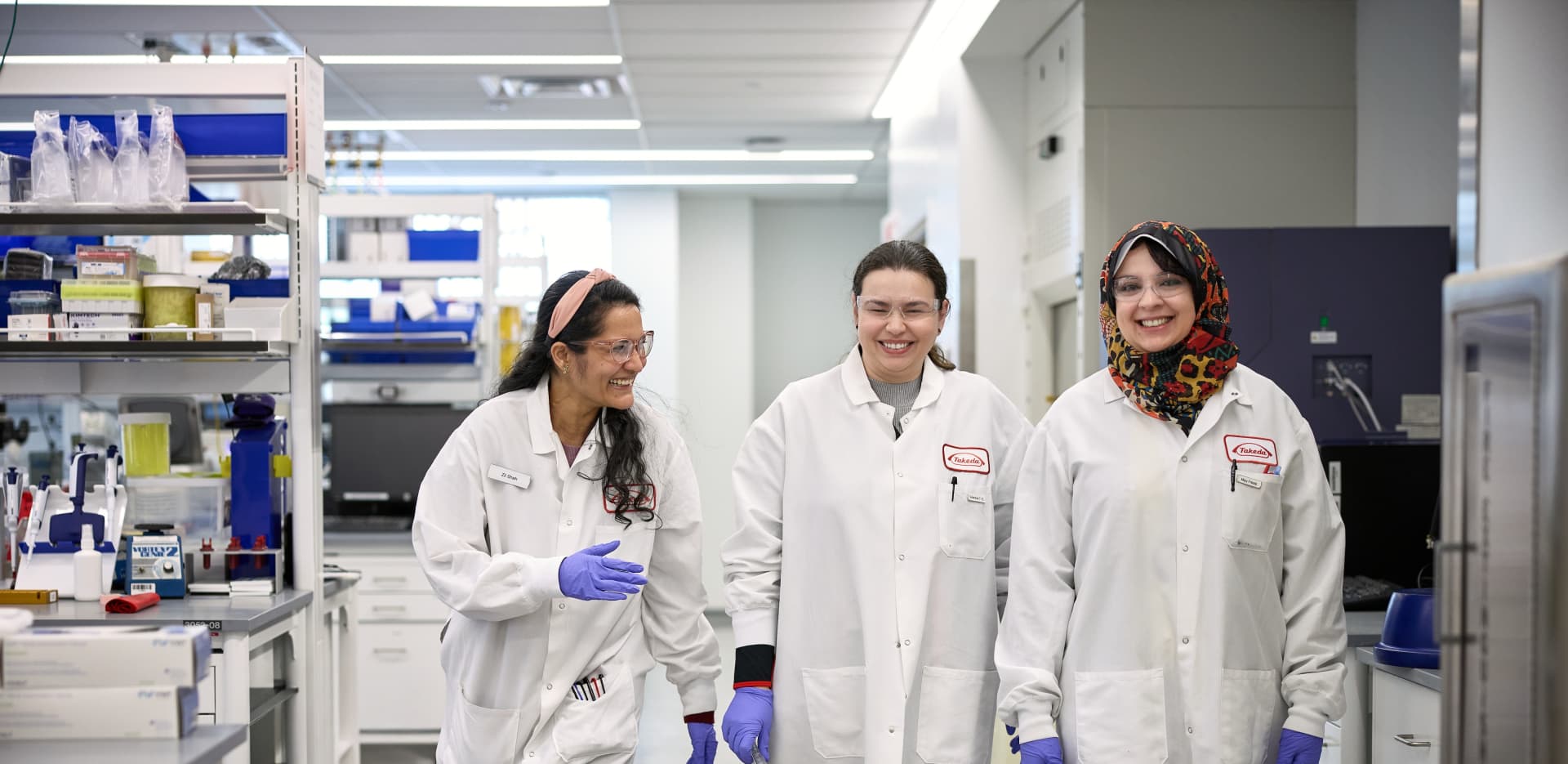
Mentorship as multiplier: How mentorship strengthens communities
This content has been reposted with permission from WBUR (Boston University National Public Radio). Any further use, reproduction, or distribution requires written consent from WBUR and Takeda.
by Andy Plump, President of Research & Development at Takeda
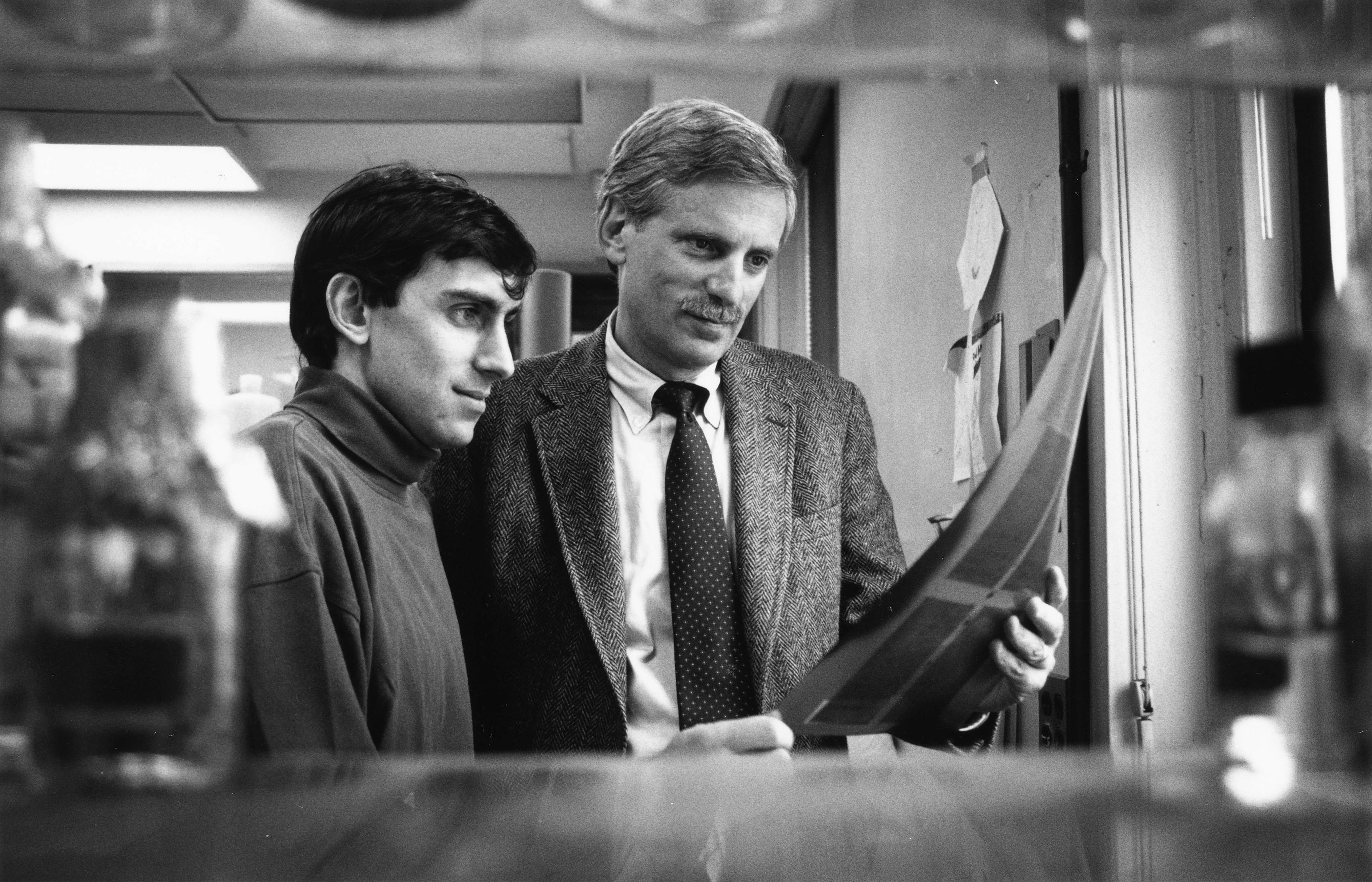
In science and the pharmaceutical industry, mentorship is often seen as a professional development tool, but its impact runs deeper. I consider myself fortunate to have had mentors who not only shaped my career but also influenced the way I think. Jan Breslow, from the Rockefeller Institute, taught me the value of quiet confidence and how reflection can lead to nonlinear thinking. Marc Tessier-Lavigne, neuroscientist, biotech executive and former Stanford president, encouraged my independence as a scientist while offering invaluable guidance. These relationships helped me navigate inflection points in my career and inspired how I lead today.
Mentorship is a powerful two-way exchange that sharpens curiosity, challenges assumptions and stretches capabilities. It shapes aspirations, encourages confidence, forges connections and inspires careers — but its potential doesn’t stop at the lab bench or office door.
At Takeda, we see mentorship as a force for equity, innovation and impact beyond our walls and into our communities. How might mentorship influence an early-career scientist or entrepreneur during critical career moments? Or inspire a curious student interested in science, technology, engineering and mathematics (STEM) by connecting them with someone who has been in their shoes and achieved success?
Supporting budding scientists and early-career talent through mentorship is not just investing in individuals; it’s strengthening the health of our communities. I want to highlight a few of the extraordinary people and programs driving this work, and how we’re expanding mentorship beyond the workplace.
Fueling the future of science
Early-career scientists often face limited resources and visibility at pivotal moments. While their ideas may be bold, securing the necessary support to bring breakthrough research to life can be a challenge.
That’s why I’m so proud that Takeda has relaunched the Innovators in Science Award with Nature. This global award recognizes promising early-career researchers in our therapeutic focus areas of gastrointestinal and inflammatory disease, neuroscience and oncology. It celebrates bold thinkers whose ideas have the potential to reshape how we understand and treat diseases.
This year marks an exciting evolution of the program. All finalists will participate in a year-long Nature Masterclass Program offering personalized mentorship, coaching and training in grant writing and research communication—skills proven to accelerate scientific careers. By pairing recognition with robust support, we aim to give emerging researchers the tools, confidence and connections needed to drive the next wave of scientific breakthroughs.
Opening doors for the next generation
Systemic barriers have long limited representation in biotech and life sciences, disproportionately affecting women, people of color and students from under resourced communities. The issue is not a lack of talent but a lack of access to resources and opportunities. I’ve seen the power of mentorship to break these barriers and empower the next generation of life sciences leaders to fuel innovation, foster opportunity and create better health for all.
Take Minmin Yen, CEO and co-founder of PhagePro, whose journey as a biotech founder highlights how isolating entrepreneurship can feel. Minmin found mentors and peers through the Massachusetts Life Sciences Center’s MassNextGen program, which is supported by Takeda and provides funding, coaching and access to professional networks for underrepresented life sciences entrepreneurs. She found community among women who had broken barriers before her and made the path easier for others to follow. “Mentorship doesn’t end once you reach a certain level,” she said. “The need for curiosity and growth becomes even more important because our decisions carry greater weight, our responsibility grows and so does our power to shape and strengthen the communities around us.”
Similarly, Takeda partners with Thrive Scholars and has provided funding for them to support under-resourced students by connecting them to academic and professional opportunities. Many of our team members, like principal scientist and mentor Karla Morales, have witnessed the ripple effects of mentorship firsthand. “For these students, it’s a reminder that they are seen, and that everyone struggles in some way. It’s not just about academic success, it’s about building a stronger, more compassionate community,” Karla said.
Mentorship as a multiplier
As we progress in our careers and in our lives, I challenge everyone to become mentors or seek mentorship.
Through mentoring a talented scientist in our Global Regulatory Affairs Advertising & Promotion group, Julia Smith, I’ve gained insights into how our unique backgrounds and identities influence our professional journeys. This enduring relationship has highlighted the significant impact of reverse mentorship in career development. The interactions with Julia have not only been enriching but have also fostered a continuous exchange of knowledge and perspectives, enabling both personal and professional growth for us both.
At Takeda, nurturing talent isn’t just a responsibility, it’s a multiplier. By investing time in mentorship, we are equipping future leaders to pass along the knowledge and experience they’ve gained to future mentees. One conversation today can create a ripple effect that may unlock a key learning for a burgeoning leader a generation from now. We are not just developing personal relationships, we’re building a connected, representative ecosystem that will allow us to tackle the biggest challenges in health care.
Andy Plump, M.D., Ph.D., is the president of Research & Development at Takeda and serves as a member of the company’s board of directors.


Share this story