Elevating early-career scientists with bold ideas | Takeda Stories

Celebrating young luminaries with the Innovators in Science Award
Takeda may have collaborations, commercial dealings, or other relationships with one or more institutions, companies, or researchers that, or whose employees or affiliates, may participate in or be associated with this Innovators Award program. Takeda’s sponsorship of this Innovators Award program, in collaboration with Nature, is separate from any Takeda relationship with any such institution, company, or researcher. Selection and judging are conducted independently of Takeda; Takeda does not direct, control, or influence the judging process or outcomes.
Scientific breakthroughs often begin with a single bold idea and the courage to pursue it. We are supporting young scientists who are unafraid to pursue such bold ideas through the Innovators in Science Award, a program designed to advance the frontiers of scientific discovery and foster innovation that has the potential to transform lives.
Since its launch in 2016, the award has recognized 10 outstanding scientists with $2 million in unrestricted funding. The program enters a new chapter this year with a reimagined focus on early-career researchers working in our therapeutic areas of interest: gastrointestinal and inflammatory diseases, neuroscience and oncology.
In partnership with the science journal Nature, we’re expanding the program’s impact. In addition to sharing $400,000 in prizes, winners and shortlisted applicants will gain access to a 12-month career development program. Administered by Nature Masterclasses, the program includes mentorship training tailored to the unique challenges that early-career scientists grapple with.
Andy Plump, president of R&D, believes that supporting the trajectory of early-career scientists means going beyond financial recognition. “We want to support the global ecosystem of science and innovation by providing rising scientists with resources to step confidently into their own light,” he said. “Winning this award means becoming part of a group that can offer opportunities to think outside the box, develop business acumen and showcase science in the most compelling way.”
This year, the Innovators in Science Award received a record-breaking 315 submissions from 47 countries and 230 institutions—a testament to its growing global reach. For the first time, women outnumbered men among applicants. These milestones are driven by expanded eligibility criteria: opening the award to institutions worldwide, welcoming part-time and fixed-term researchers and enabling self-nomination. Following independent judging by a Nature-convened panel, shortlisted finalists will be announced in January 2026. One category winner in each therapeutic area will be announced in February 2026, and the grand prize winner will be revealed on April 9, 2026, at the award ceremony in Boston.
“We want to support the global ecosystem of science and innovation by providing rising scientists with resources to step confidently into their own light. Winning this award means becoming part of a group that can offer opportunities to think outside the box, develop business acumen and showcase science in the most compelling way.”
A look-back at previous award winners who are continuing to have an impact
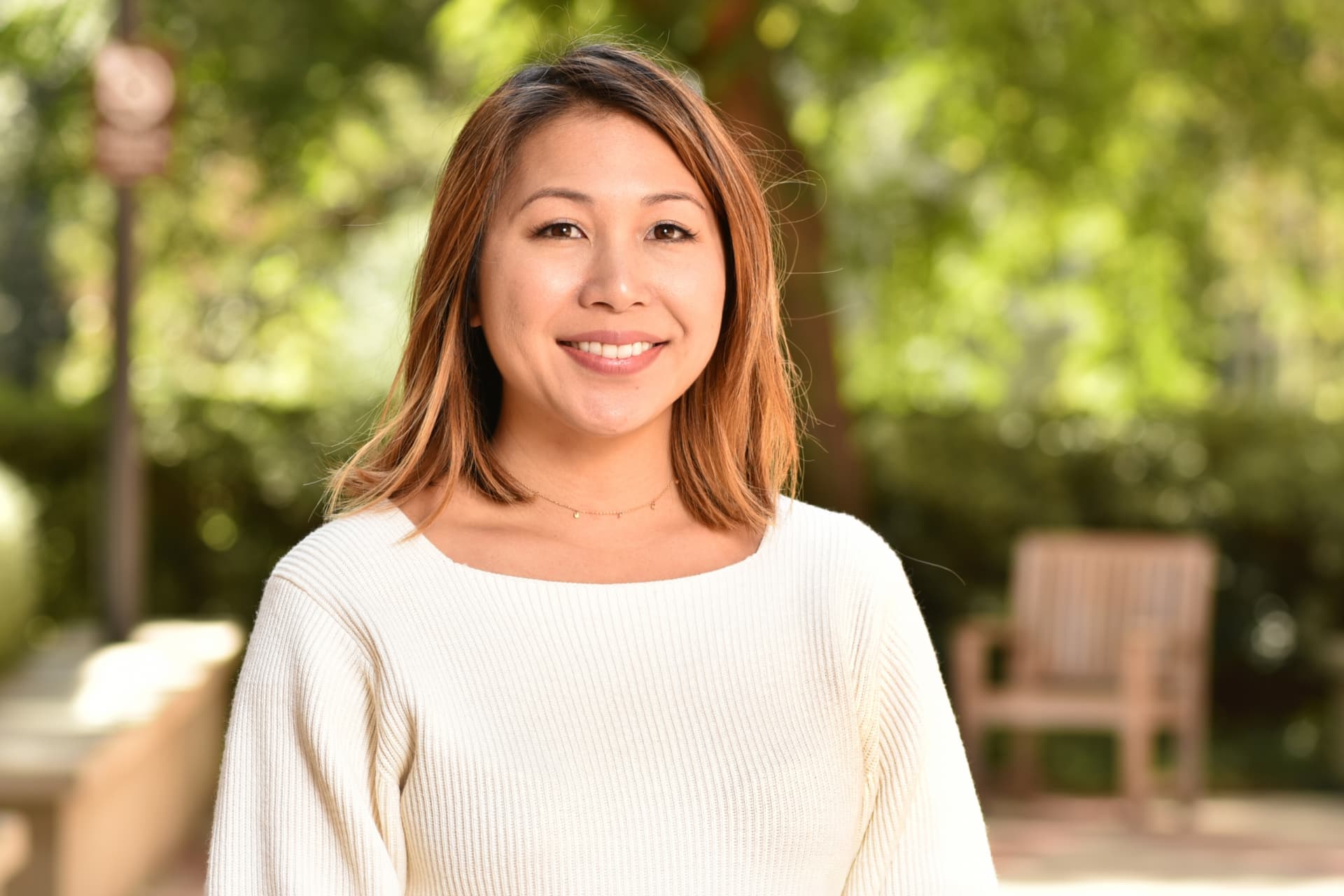
Dr. Elaine Y. Hsiao, 2022 early-career winner in gastroenterology
Dr. Elaine Y. Hsiao, the 2022 early-career winner in gastroenterology, has helped establish the gut microbiome as a key player in brain health. Her lab at University of California, Los Angeles, is now mapping microbial signals that influence neurological disorders.
“Receiving the award was extremely validating,” she said. “Especially in a newer area of microbiome research, linking it to the brain, it gave us the confidence to keep going.”
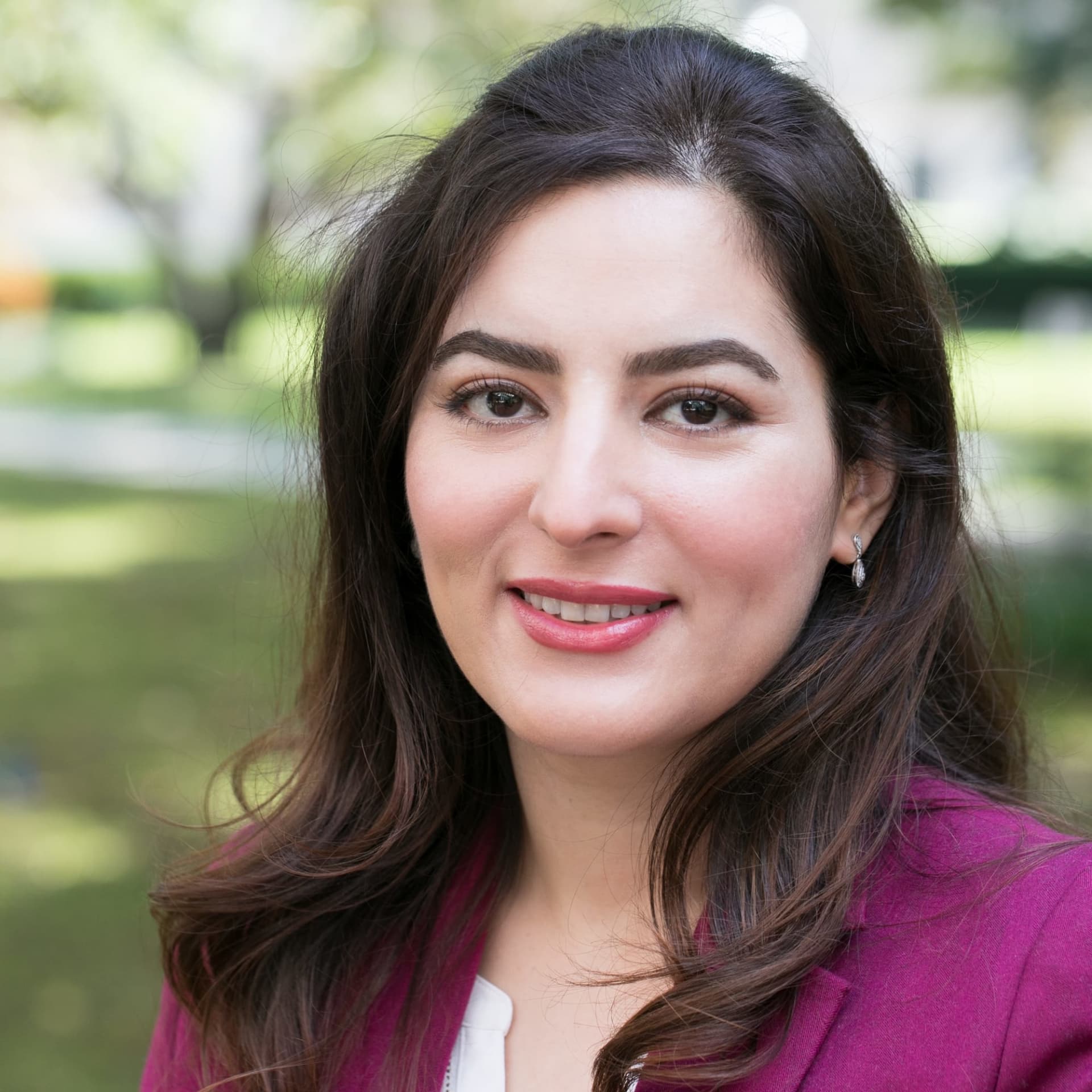
Dr. Elham Azizi, 2024 early-career winner in cancer immunology
Dr. Elham Azizi, the 2024 early-career winner in cancer immunology, is using AI to predict immune cell interactions in the tumor microenvironment at Columbia University in New York. Her team employs new generative models and diffusion algorithms to computationally predict responsiveness to immunotherapy and examine if it’s possible to forecast the likelihood of cancer metastasis and relapse.
“Receiving the award has emboldened my team and provided the momentum to tackle questions that once seemed out of reach,” she said.
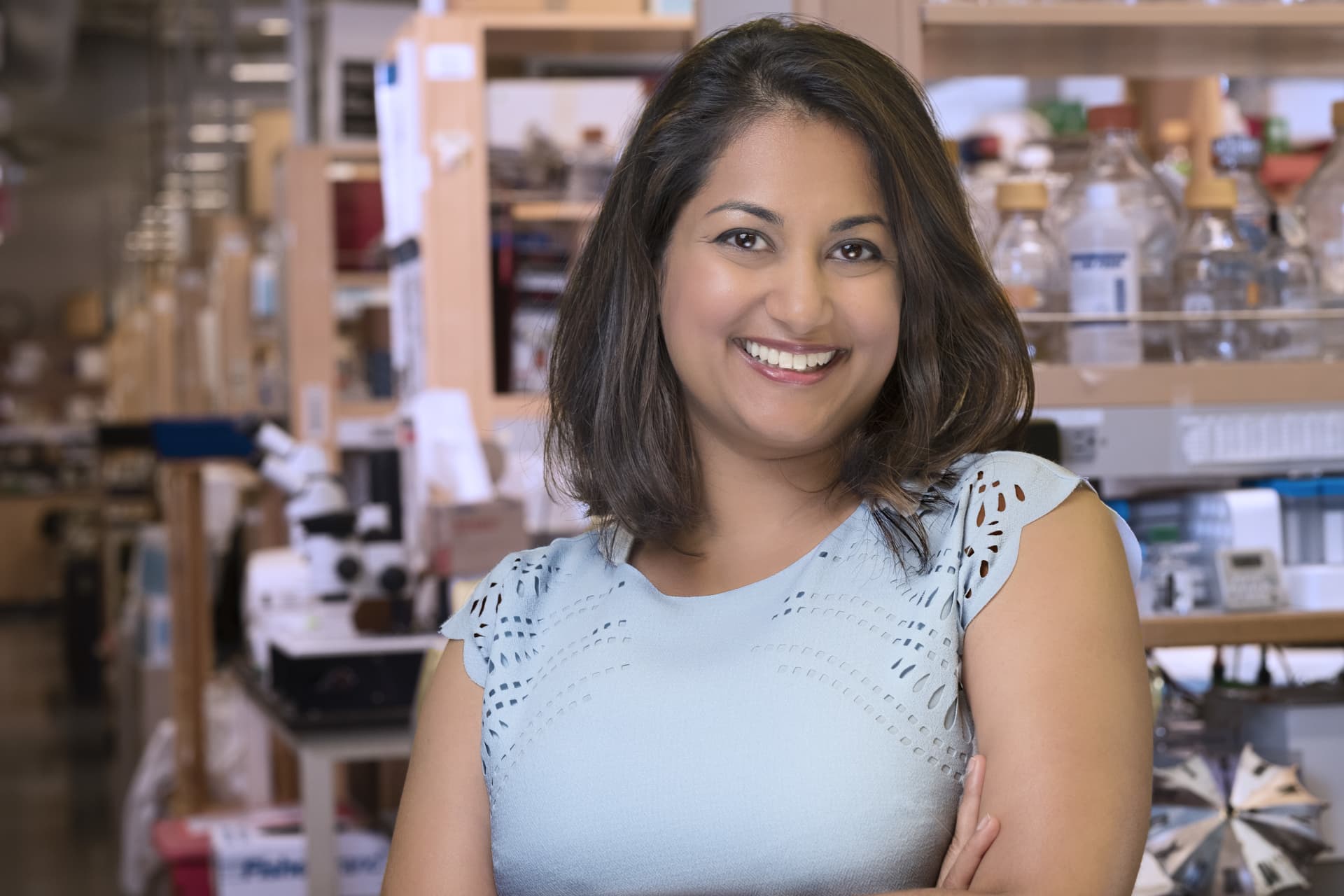
Dr. Shruti Naik, the 2019 early-career winner in regenerative medicine
Dr. Shruti Naik, the 2019 early-career winner in regenerative medicine, is uncovering how non-immune cells actively participate in inflammation and retain molecular changes that may be responsible for relapse in chronic diseases like IBD and psoriasis. Now leading the Tissue Repair Program at Mount Sinai in New York, her lab is exploring how to reprogram tissues that retain memory of inflammation toward long-term health.
“[The award] gave me visibility at an international level that is essential for early-career scientists and allowed me to secure funding,” she said.
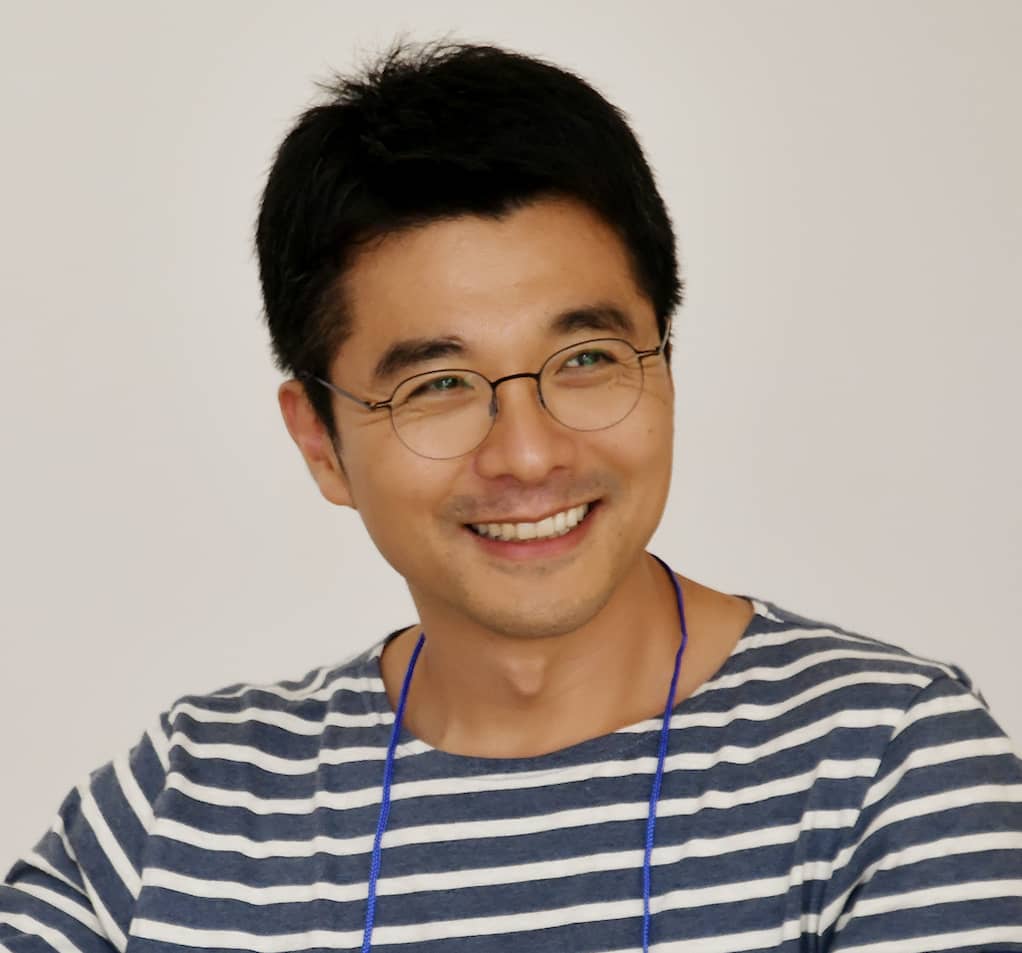
Prof. Jeong Ho Lee, the 2020 early-career winner in rare disease
Prof. Jeong Ho Lee, the 2020 early-career winner in rare disease, is pioneering research on brain somatic mutations that may drive conditions like epilepsy and glioblastoma. Building on his ongoing work, including as a professor at KAIST and as chief scientific officer at a Korean biotech company, Prof. Lee’s contributions are helping inform emerging diagnostic criteria and research into RNA-based therapeutic approaches aimed at reaching hard-to-access regions of the brain.
“It showed that science from Korea can be recognized globally and contribute to humanity,” he said. “After receiving the award, I became more confident that I was doing the right science.”
The work of these scientists exemplifies the bold innovation we aim to support. By honing our focus to gastrointestinal and inflammation, neuroscience and oncology therapeutic areas, we’re aligning the award with our strategic priorities while amplifying its global reach.
Share this story