
How digital innovation enables sustainable manufacturing | Takeda Stories
How digitalization enables sustainable manufacturing
Our global manufacturing & supply officer shares how digital tools and expert teams combine to cut waste, deliver faster and better serve patients.

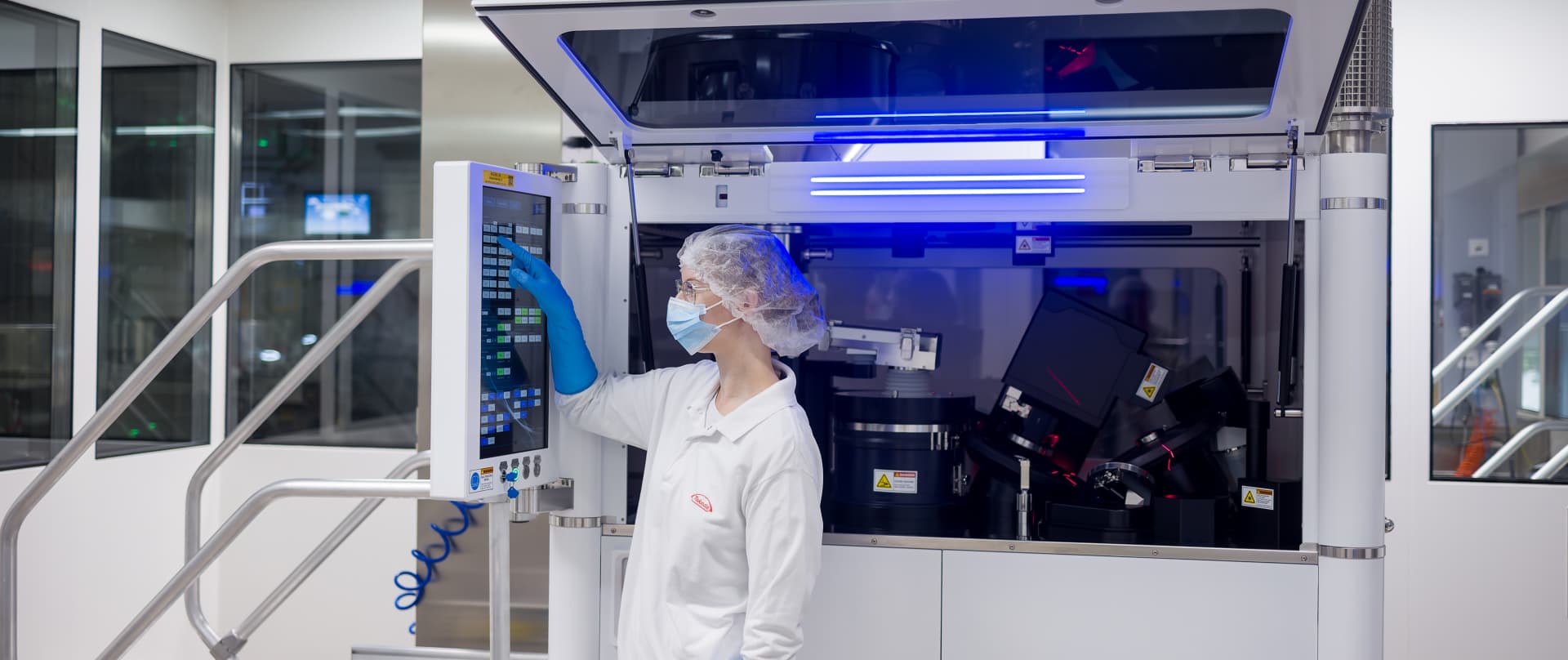
In the same way electricity redefined how we live and work, digitalization is redefining how we make and deliver life-transforming treatments. What was once a linear, mechanical process is becoming a dynamic, intelligent system, capable of learning, predicting and improving in real time. It may sound like science fiction, but it’s becoming reality, and it’s unlocking new ways to get our medicines to those who need them – better, faster and more sustainably.
By combining digital technology with the expertise of our people, we’re building a smarter manufacturing ecosystem – one that helps us reduce waste, prevent downtime and accelerate speed-to-market, all while improving business sustainability and reducing our environmental footprint.
To bring this transformation to life, we’ve focused on real, measurable innovations across our global manufacturing network.
“We’re driving a transformation that will shape the next generation of manufacturing excellence in service of delivering safe, effective medicines to patients faster.”
Predictive maintenance
Artificial intelligence-enabled predictive maintenance is helping us prevent equipment downtime before it happens. By analyzing equipment data in real time, we can detect early signs of degradation and anomalies, enabling us to address issues before failures occur. This helps to make our supply more reliable, while reducing waste and energy use at the same time.
At our Lessines site in Belgium, we’ve deployed more than 170 predictive agents across 45 systems. The use of these agents supports our efforts to significantly reduce unplanned downtime caused by unexpected equipment failures. It will also minimize planned downtime by optimizing existing maintenance plans. The local team has reported significant cost savings, reduced energy consumption and fewer materials being discarded.
We plan to expand this technology to 20 global sites by fiscal year 2027.
One-day batch release
Traditionally, releasing a batch of pharmaceutical products for delivery involves many manual steps that can take several weeks to complete. The program name refers to Takeda’s aspiration to complete all required quality checks and release medicine batches just one day after manufacturing. The program, which is in collaboration with our Quality organization, aims to simplify and harmonize all individual steps in the batch release process for products, which would significantly increase speed-to-market for manufactured products and translate into significant operational efficiencies. With pilot results indicating a 60% reduction in release lead time, we are accelerating toward a future where medicines can reach patients faster than ever.
Multi-echelon inventory optimization
Takeda was one of the first pharmaceutical companies in Japan to implement an AI-powered demand forecasting model and combine it with our inventory optimization tool, multi-echelon inventory optimization (MEIO). This system helps predict the right amount of stock at each stage of the supply chain, helping us to maintain a reliable supply with minimal inventory. MEIO uses forecasts, service goals, lead times and costs to balance product availability with efficiency. It supports scenario testing and smart decision-making, with machine learning already improving input today and AI features designed to boost flexibility and intelligence in development.
MEIO strengthens our ability to deliver products reliably, while helping us reduce pharmaceutical waste and improve cash flow. Over the past year, these efforts have helped our Hikari, Japan, plant and global operations significantly lower inventory holding costs and minimize the number of expired products being discarded – without compromising on customer service levels.
Digital twins
We’re leveraging “digital twins” – virtual copies of real manufacturing systems. These digital versions allow us to do computer-based simulations, identify potential problems prospectively and accelerate tech transfers or start-up of new manufacturing lines without interrupting real-world production. By combining these smart computer models with our teams’ engineering skills, we can reduce operational risks and make sure our sites are fully prepared to receive new technologies.
Already, digital twins are helping us share advanced technologies among our global production sites, and cutting the time required to implement new systems.
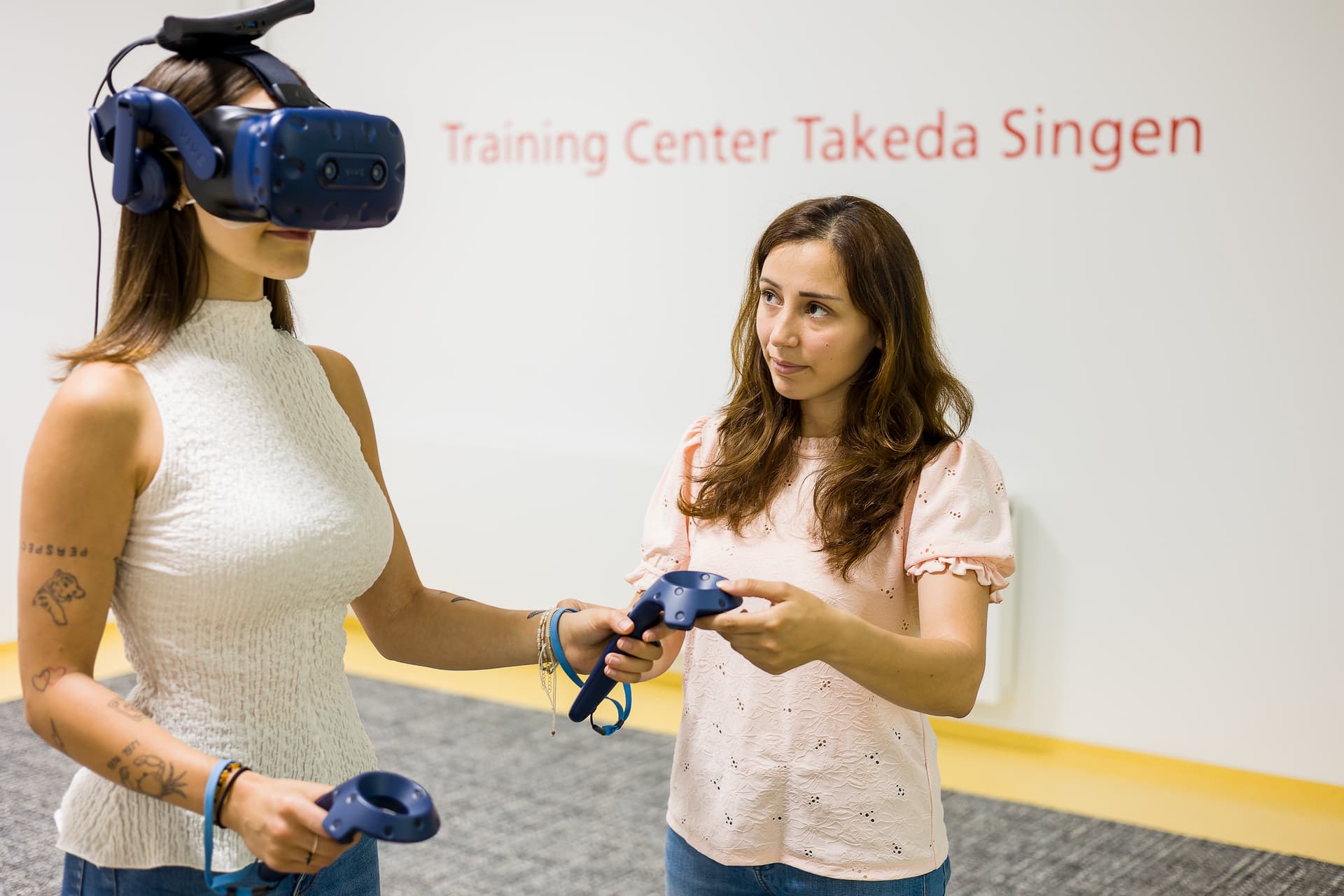
As technology advances, so will our ability to anticipate demand, optimize production and deliver treatments with even greater speed and precision. But at the heart of this tech transformation are our people – their expertise, their passion and their commitment to patients. The tools may be digital, but the impact is deeply human, and that’s what makes this journey so exciting. We’re driving a transformation that will shape the next generation of manufacturing excellence, with focus, speed and scale, all in service of delivering safe, effective medicines to patients faster.
Share this story