
Quality of Life in Psoriasis Severity

Considering quality of life when classifying psoriasis severity
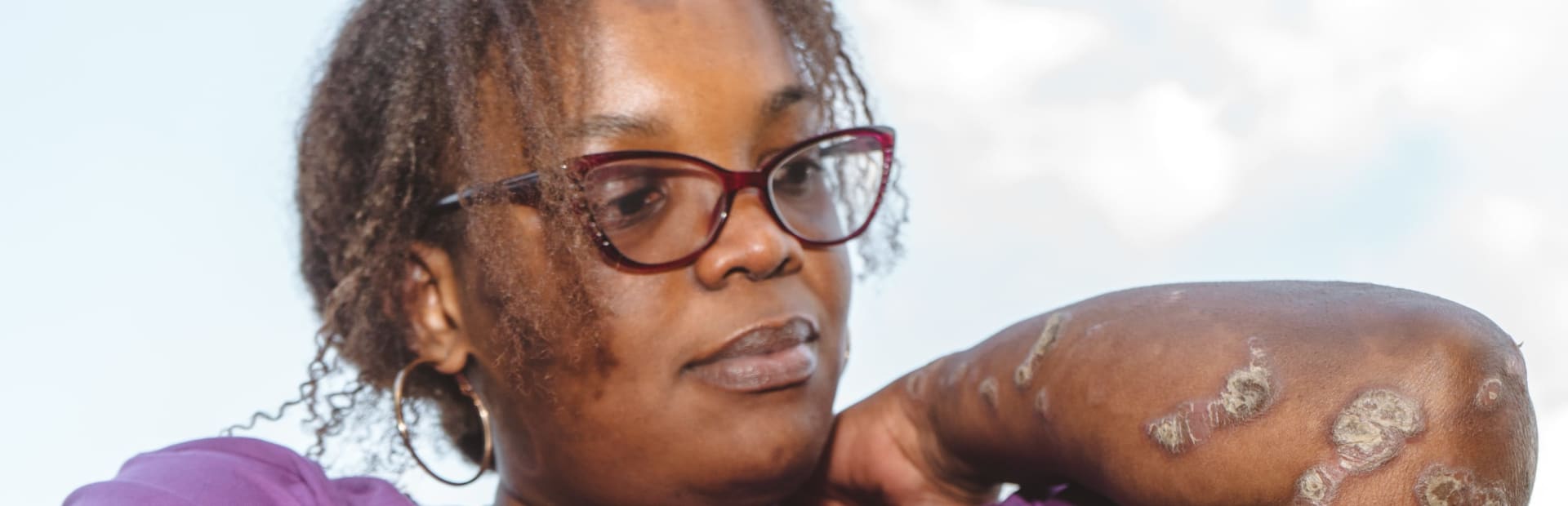
Above photo courtesy of IFPA project ‘All the colors we are’, January 2026, International Federations of Psoriasis Associations, Stockholm Sweden
This article features real patients sharing their personal experiences and is available to the public for disease awareness only. Individual experiences may vary. Please consult your healthcare provider for medical advice.
This article was developed by Takeda. Speakers have received compensation from Takeda for their participation.
Psoriasis is a chronic, immune-mediated inflammatory disease that results in visible, discolored, scaly plaques on the skin that often cause intense itching and burning.1-4
But psoriasis is more than a skin condition. It can impact many aspects of a person’s life and is associated with serious health complications like mental health struggles, heart disease and diabetes.5
So, what constitutes “severe” psoriasis? And how does patient quality of life figure into the classification of this condition?
“Our understanding of psoriasis has evolved. We now utilize patient-centric approaches to define disease severity that look beyond the classical scoring systems that use body surface area,” says Warren Winkelman, MD, PhD, a board-certified dermatologist and the global medical unit head for dermatology at Takeda. “However, there is still work to be done to ensure these new developments are applied to everyday care to achieve better outcomes for all patients.”
Classifying disease severity
Disease severity classification systems exist to help clinicians decide the course of treatment a patient needs. But a U.S. based survey of psoriasis patients offered a compelling insight: In some cases, disease that is classified as mild may actually have a major impact on a patient's quality of life. In that survey from the National Psoriasis Foundation (2019-2021) of more than 4,000 patients, nearly half of those labeled with mild disease reported a meaningful impact on their quality of life.6
“We should also consider quality of life when deciding how a patient’s disease should be assessed and managed. Patients should feel empowered to discuss both the physical and emotional impact of their disease with a healthcare provider.”
A traditional disease severity classification system for psoriasis, such as the one typically used in the United States, mainly uses body surface area (BSA) to determine severity. When the affected body surface area is small, the disease is typically considered mild. However, when psoriasis shows up on the skin on high-impact sites, such as the hands, feet, nails, scalp and genitals, this can greatly affect the emotional well-being of patients. The presence of persistent itch is another issue that can have an impact. Such conditions can indicate higher disease burden regardless of the extent of BSA, potentially supporting the use of systemic therapies.6,7

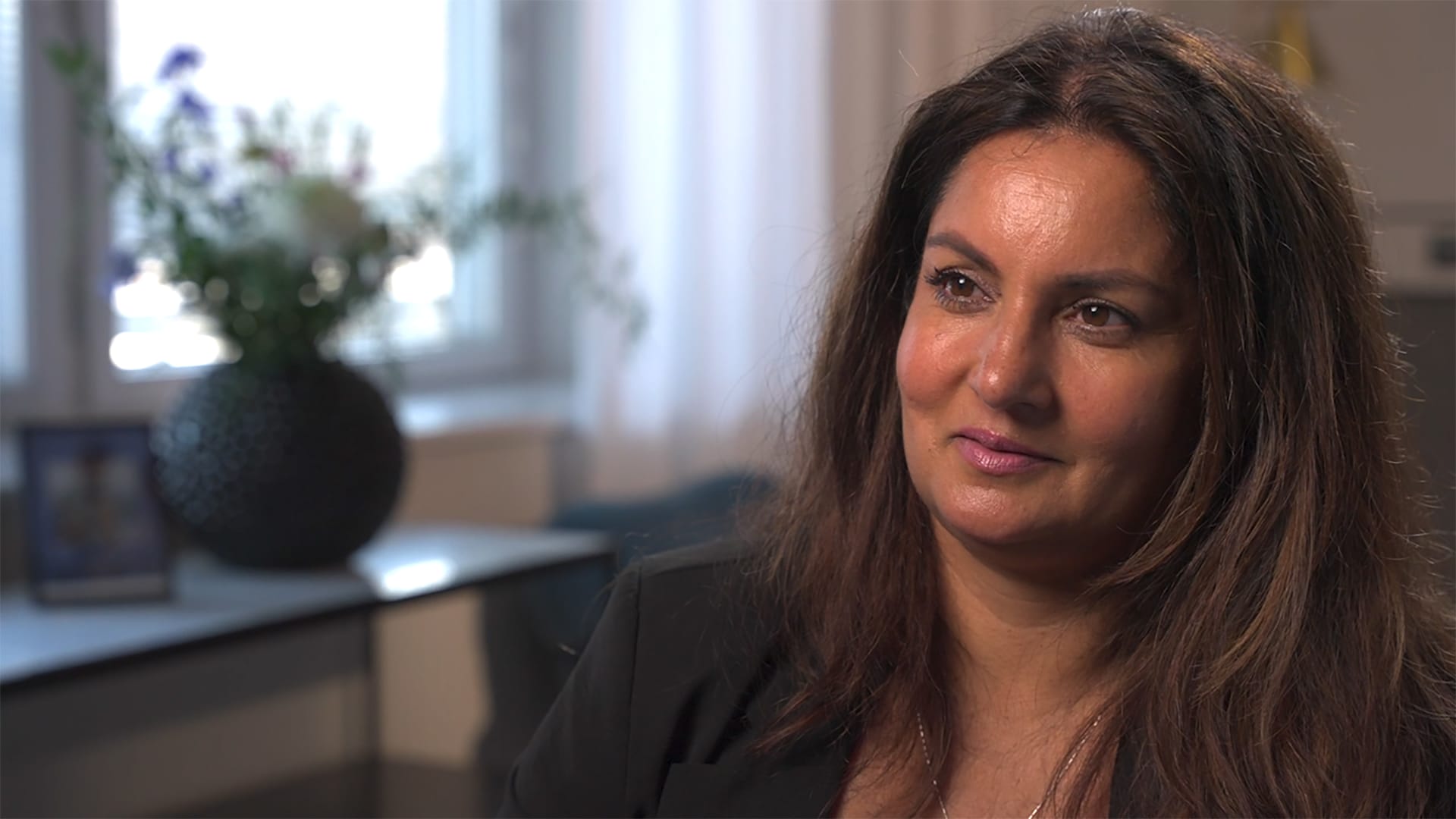
Warren Winkelman, MD, PhD, Global Medical Unit Head for Dermatology
Considering the real-life impact of psoriasis

Even if the plaques are small in surface area, they can significantly disrupt daily activities and affect quality of life, especially if they are on high impact sites.6
For example, Takieyah was pursuing a career as a model until the rapid onset of plaques on her scalp led to significant hair loss. Then the thick, painful plaques extended to other highly visible areas, including her face. She left modeling to work in the fast-food industry, but says she experienced a negative reaction to her appearance, so she left that job as a result. She recalls that “when psoriasis came, I just felt the need to start hiding.”
Dr. Winkelman says that, for people like Takieyah who have psoriasis in highly visible areas, quality of life can suffer. “This is why new evidence-based clinical consensus statements have been developed to help physicians more holistically determine psoriasis severity, and more importantly, the most appropriate management approach,” he says.
Modernizing definitions of disease severity
Takeda recognizes the efforts of the International Psoriasis Council, the National Psoriasis Foundation and the American Academy of Dermatology. These organizations are working to update and standardize the way disease severity is defined so that it truly reflects the burden of psoriasis. They point to disease classification standards, already adopted in Europe and in various countries around the world, that offer a more holistic view of the impact of psoriasis on individuals.7
“We’re committed to fully understanding the impact of living with psoriasis, especially on quality of life, and what kind of support those patients are asking for,” says Dr. Winkelman.
“These new approaches to classifying psoriasis severity could help change the way psoriasis healthcare professionals measure the impact of interventions, by highlighting which factors have a high impact from the patient’s perspective,” he says.
Watch the video about Takieyah’s psoriasis journey from isolation to inspiration.
Takeda does not have any product approved for the treatment of psoriasis at the time of publication.
References
- Dhabale A, Nagpure S. Types of psoriasis and their effects on the immune system. Cureus. 2022 Sep 24;14(9):e29536. doi: 10.7759/cureus.29536.
- Gkini MA, Nakamura M, Alexis AF, et al. Psoriasis in People With Skin of Color: An Evidence-Based Update. Int J Dermatol. 2025;64(4):667-677. doi:10.1111/ijd.17651
- Taliercio VL, Snyder AM, Webber LB, et al. The Disruptiveness of Itchiness from Psoriasis: A Qualitative Study of the Impact of a Single Symptom on Quality of Life. J Clin Aesthet Dermatol. 2021;14(6):42-48.
- Snyder AM, Taliercio VL, Webber LB, et al. The Role of Pain in the Lives of Patients with Psoriasis: A qualitative study on an inadequately addressed symptom. J Psoriasis Psoriatic Arthritis. 2022;7(1):29-34. doi:10.1177/24755303211
- Daugaard C, Iversen L, Hjuler KF. Comorbidity in Adult Psoriasis: Considerations for the Clinician. Psoriasis (Auckl). 2022;12:139-150. Published 2022 Jun 10. doi:10.2147/PTT.S328572.
- Blauvelt A, Gondo GC, Bell S, et al. Psoriasis involving special areas is associated with worse quality of life, depression, and limitations in the ability to participate in social roles and activities. J Psoriasis Psoriatic Arthritis. 2023;8(3):100-106. doi:10.1177/24755303231160683
- Strober B, Duffin KC, Lebwohl M, et al. Impact of psoriasis disease severity and special area involvement on patient-reported outcomes in the real world: an analysis from the CorEvitas psoriasis registry. J Dermatolog Treat. 2024;35(1):2287401. doi:10.1080/09546634.2023.2287401
Share this story