A rare approach to a rare disease: Infant botulism | Takeda Stories
A rare approach to a rare disease: Helping babies with botulism
Takeda supports a public-private partnership to manufacture a rare disease medicine—even when only one batch is produced every five years.
“Thank you for doing this because you actually saved my granddaughter’s life.”
When John Sisto worked at Takeda’s Los Angeles manufacturing plant, he never imagined that one day his family would directly benefit from a medicine made there.
His granddaughter contracted infant botulism, a life-threatening rare disease that affects only about 200 babies globally each year.1 Early symptoms, such as constipation, weak crying and difficulty eating, can be hard to detect. As the disease progresses, it can lead to decreased muscle tone, making the baby appear floppy or to lose head and neck control, and eventually to feeding and breathing challenges, paralysis or death. It’s caused by ingestion of spores from the bacterium Clostridium botulinum. The spores germinate and create a very potent toxin inside the baby’s body, which enters the bloodstream and disrupts the nervous system.2
The California Department of Public Health (CDPH) leads a not-for-profit collaboration to produce BabyBIG® (Human Botulism Immune Globulin Intravenous or BIG-IV), the only U.S. Food and Drug Administration (FDA) approved treatment for all suspected or confirmed cases of infant botulism.3,4 Derived from human plasma donated by adult volunteers, this human-derived immunoglobulin-g (IgG) therapy provides antibodies to help infants’ little bodies combat the disease. Through its Biolife Plasma Services, Takeda facilitates the plasma collection and testing. It also manufactures the bulk drug substance at the Los Angeles facility and conducts product testing.
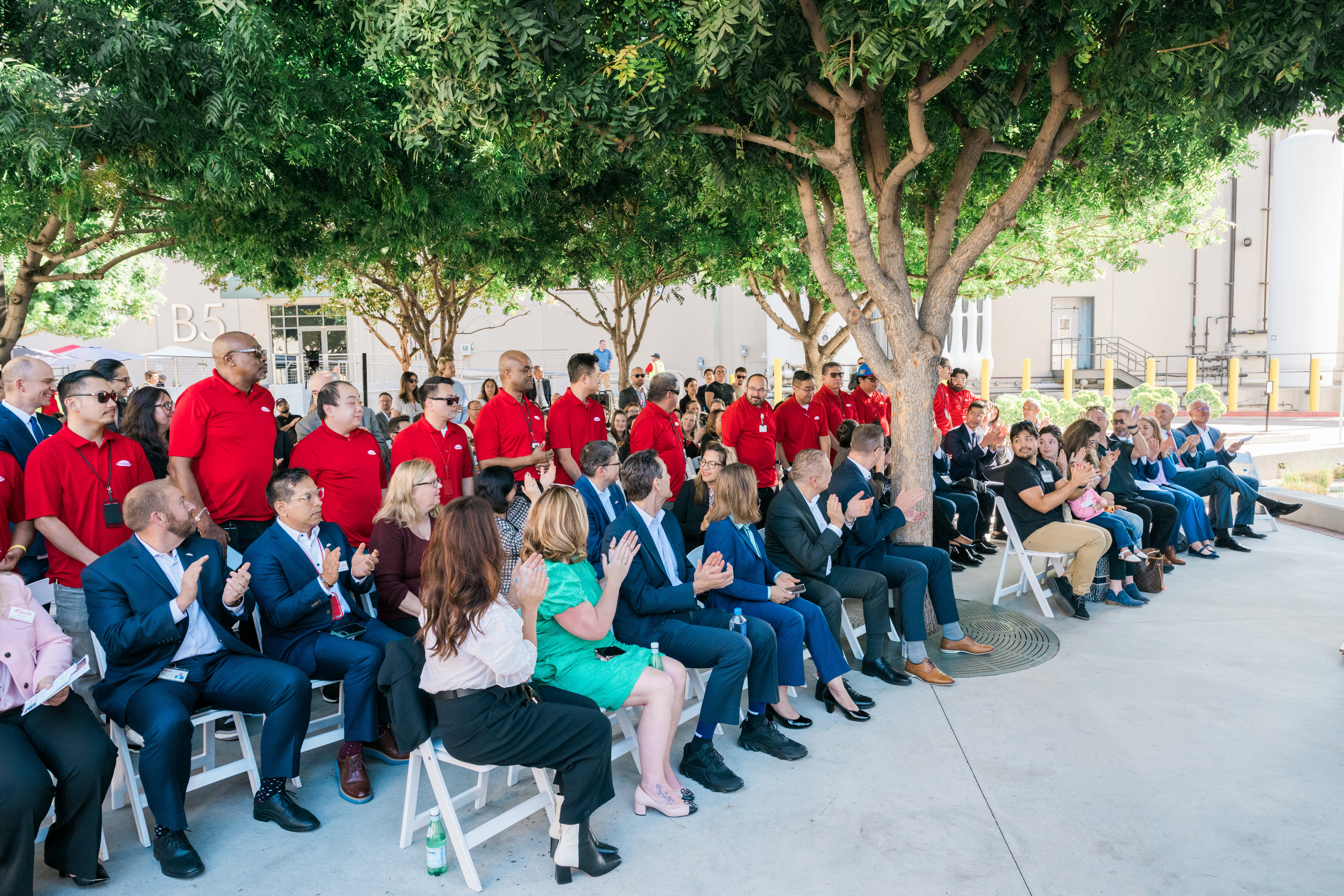
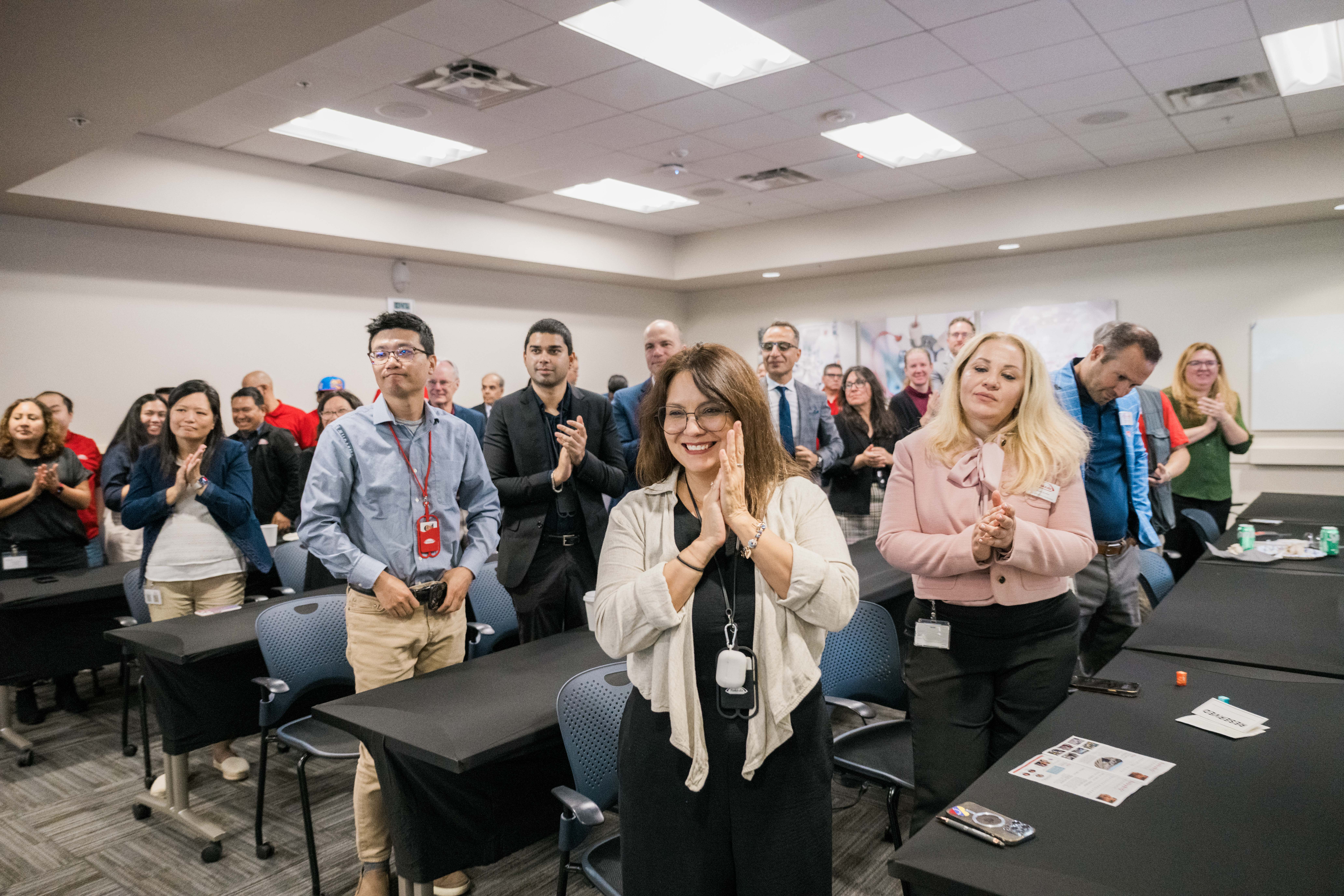
“Ten years ago, when I worked here, I remember saying, ‘Why are we making this product? How many patients would have infant botulism?’ Now I know. I never thought it would affect me or my family,” said John, former employee at the Los Angeles facility, at an event celebrating the production of a new BabyBIG lot.
Meaningful manufacturing
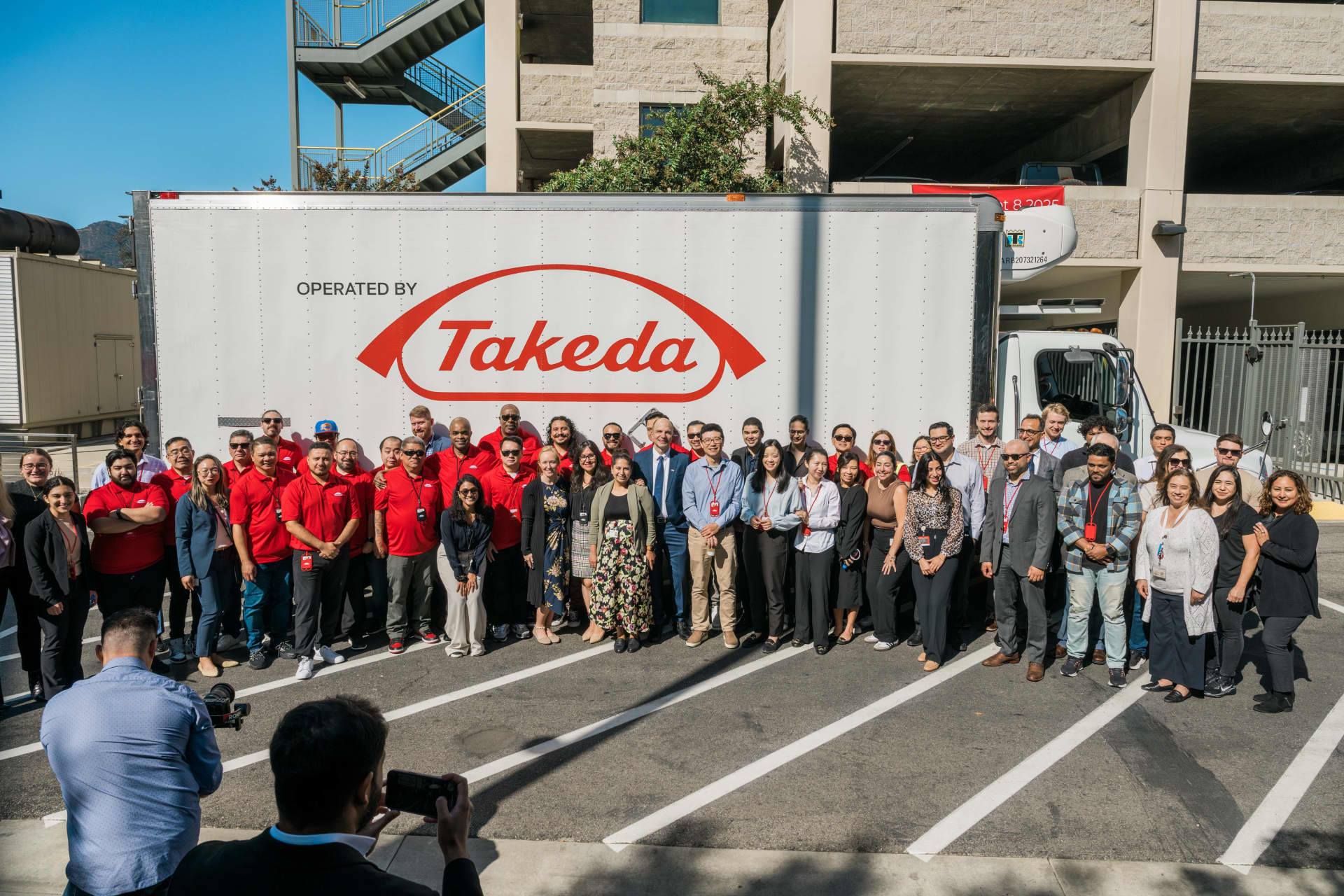
Given the rarity of the disease, the team only needs to produce a new lot of BabyBIG approximately once every five years. Recently, the facility manufactured Lot 8 – an endeavor that required more than 75 Takeda employees, temporarily taking more than 20 pieces of manufacturing equipment offline and moving in 45 pieces of equipment dedicated to the production of this medicine.
Global Manufacturing and Supply Officer, Thomas Wozniewski, reflects on the determination and expertise required to produce it. “Running one lot every five years comes with certain challenges. Manufacturing plasma-derived therapeutics is a complex, bespoke process. Each step needs to happen on time, and happen correctly the first time,” he says. “Pivoting to produce a different medicine like BabyBIG is not a simple matter of flipping a switch. But our team always executes flawlessly, motivated by the positive impact our efforts have on babies and their families.”
“Pivoting to produce a different medicine like BabyBIG is not a simple matter of flipping a switch. But our team always executes flawlessly, motivated by the positive impact our efforts have on babies and their families.”
Dedicated donors
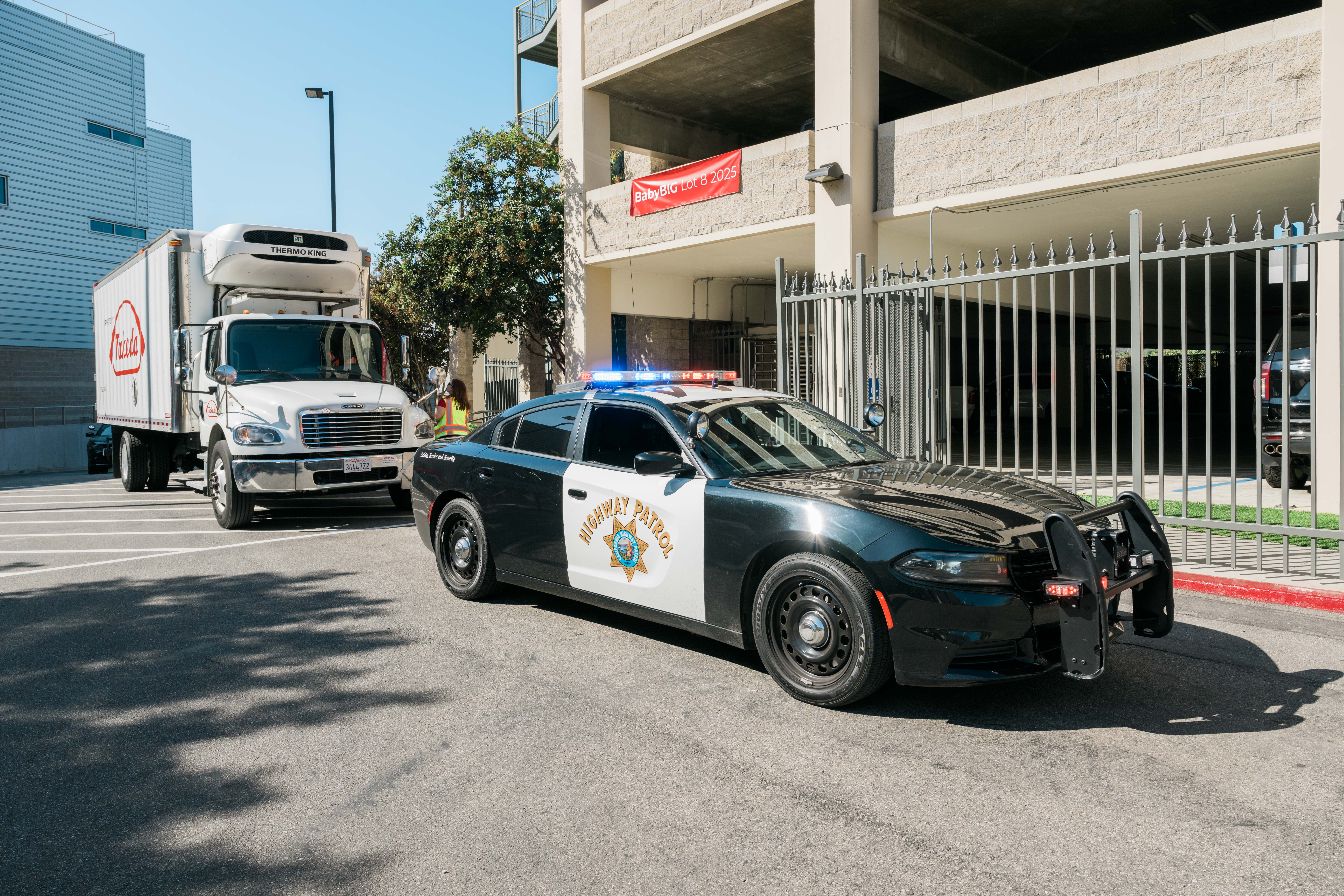
Producing one lot of this treatment requires plasma from approximately thirty healthy adult donors who have been specially selected for their antibodies against botulism. Every five years, the collected plasma donations are delivered to the Los Angeles manufacturing facility on a delivery truck, accompanied by a California Highway Patrol escort.
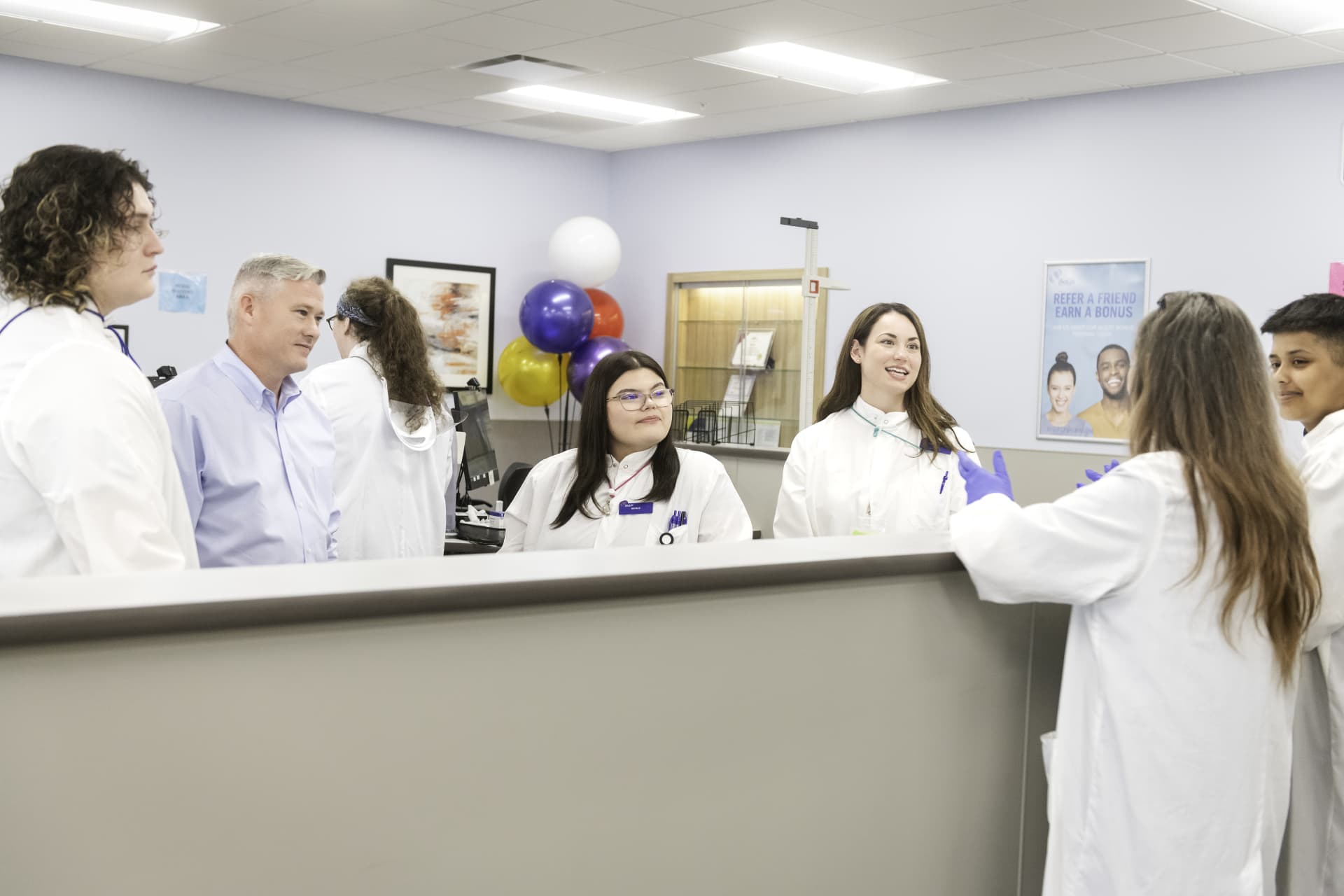
Plasma-Derived Therapies Business Unit President Giles Platford explains the value of plasma donations. “Sometimes we refer to plasma as liquid gold. Patients with rare and serious conditions, including babies with botulism, rely on the generosity of plasma donors to live full and healthy lives.”
The dedication of the donors is critical, and likewise, so is the commitment and expertise of the manufacturing team. Giles continues, “Converting plasma into a medicine is a lengthy and complex process that must be shepherded by an expert team. Making this human immunoglobulin therapy is deeply important to us as part of our commitment to patients and to sustained public-private collaboration to help address this critical public health need.”
Jason Barash, a plasma donor, who also leads the Botulism Reference Unit at the California Department of Public Health, describes an outpouring of gratitude from former infant botulism patients and their families. These individuals tell their stories, send photos and write letters which are compiled into thank-you books by the California Department of Public Health for the plasma donors. Jason says, “The toughest, most stoic person will cry after reading this book. It’s amazing – the stories that are shared, the pictures that are shown.”
“Making this human immunoglobulin therapy is deeply important to us as part of our commitment to patients and to sustained public-private collaboration to help address this critical public health need.”
A purposeful partnership
The public service orphan drug, Human Botulism Immune Globulin (BIG-IV; BabyBIG) for the treatment of infant botulism project, began with the late Dr. Stephen Arnon, a public health medical epidemiologist and scientist at the California Department of Public Health, whose team co-discovered the type of botulism that affects babies and conducted a clinical trial showing that treatment with the human antitoxin BIG-IV resulted in shorter hospital stays and less reliance on feeding tubes and breathing machines, allowing babies to return home to their families sooner. Utilizing Takeda’s expertise in making complex plasma-derived therapeutics, the California Department of Public Health partnered with the company to be the manufacturer on a not-for-profit basis to ensure a reliable, high-quality, sustainable source of this rare disease therapy going forward.
Babak Haghiri, site head of Takeda’s Los Angeles manufacturing plant, sums up the impact of this unique partnership. “BabyBIG is the result of an extraordinary collaboration between Takeda and the California Department of Public Health. It’s one of the few products of its kind globally, made possible only through the generosity of our donors and the relentless pursuit of science and care. Every dose delivers signals of hope, healing and a brighter future for babies and their families.”
References
- Haydee A. Dabritz, Connie H. Chung, Jennifer S. Read, Jessica M. Khouri; Global Occurrence of Infant Botulism: 2007–2021. Pediatrics April 2025; 155 (4): e2024068791. 10.1542/peds.2024-068791. https://publications.aap.org/pediatrics/article-abstract/155/4/e2024068791/201313/Global-Occurrence-of-Infant-Botulism-2007-2021
- Infant Botulism; Cleveland Clinic: https://my.clevelandclinic.org/health/diseases/infant-botulism
- Infant Botulism Treatment and Prevention Program; California Department of Public Health: https://www.cdph.ca.gov/Programs/CID/DCDC/Pages/ObtainBabyBig.aspx
- Infant Botulism Outbreak Linked to Infant Formula; U.S. Centers for Disease Control: https://www.cdc.gov/botulism/outbreaks-investigations/infant-formula-nov-2025/index.html

Share this story