
Colorectal Cancer: Screening in Belgium - Blue March 2026
Colorectal Cancer Screening: Free, Yet Unequally Accessible
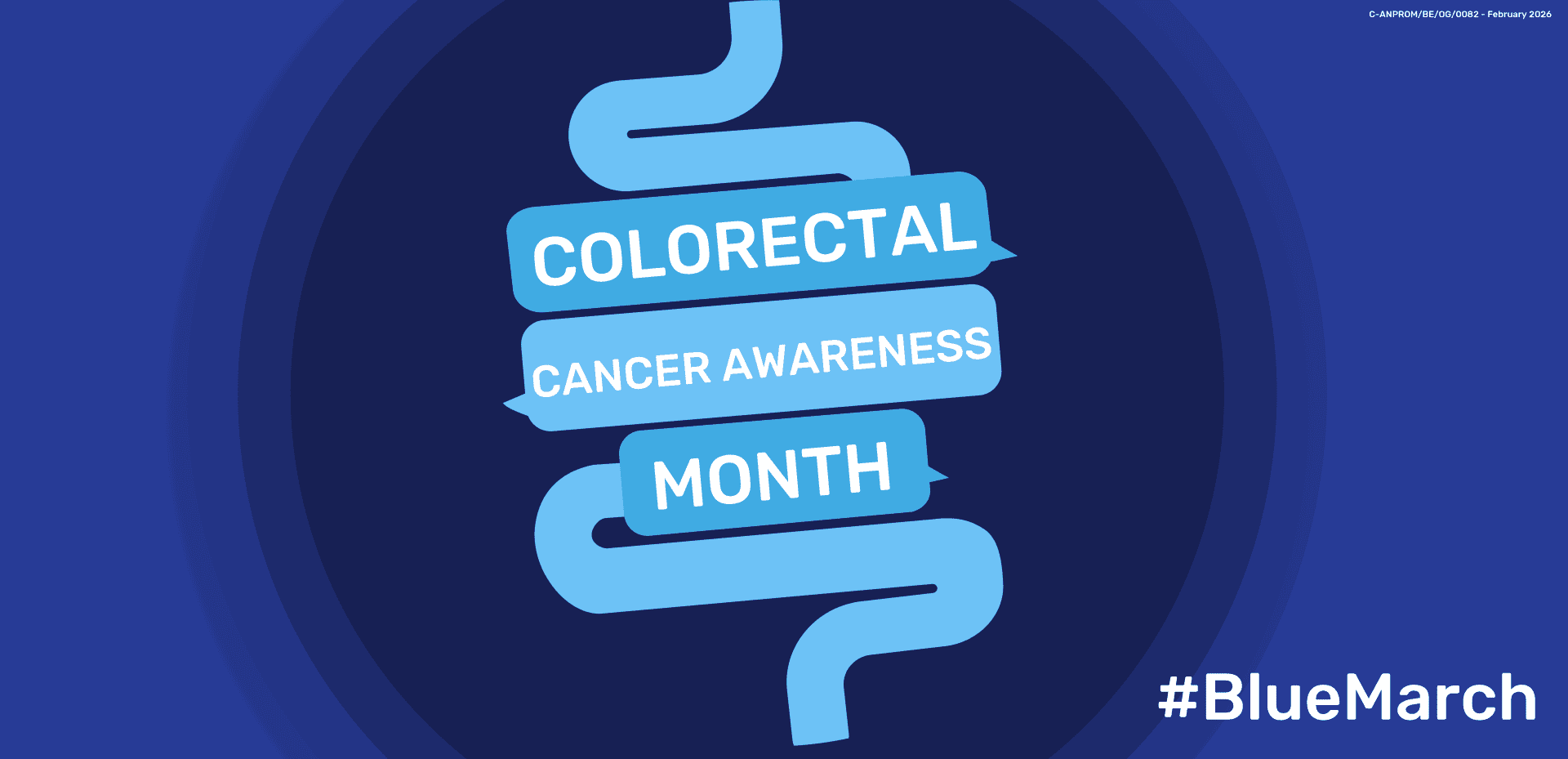
Brussels, 1 March 2026 – Every year, colorectal cancer claims around 2,500 lives in Belgium, despite being one of the most preventable forms of cancer thanks to a simple and widely available screening test. To mark Colorectal Cancer Awareness Month (Blue March), the Belgian Society of Medical Oncology (BSMO), the action group Stop Darmkanker and Takeda Belgium are joining forces to raise awareness of a persistent reality: participation in colorectal cancer screening remains dramatically low across Belgium.
Why Early Screening Is Crucial
Colorectal cancer is the third most common cancer in Belgium, with nearly 8,000 new diagnoses and around 2,500 deaths each year1 - around 7 every day.
Yet only just over half of eligible Belgians take part in the national screening program, with participation dropping to just 33% in Brussels and Wallonia2. This is particularly concerning given that, when detected early, colorectal cancer can be successfully treated in more than 90% of cases3.
Making Screening Easier to Access: A Key Lever for Earlier Detection
Regional differences in colorectal cancer screening rates are partly driven by how easy—or difficult—it is for people to access the test. In Flanders, eligible individuals automatically receive a test kit at home, a system that clearly contributes to higher participation rates4. In Wallonia, by contrast, the test kit is only sent automatically after a person has completed a first screening5. In Brussels, the test kit is not proactively distributed at all6. For many citizens, these additional steps create a barrier that is simply too high.
International examples show how a well‑designed and well‑coordinated screening program can make a real difference. In the Netherlands, for instance, a nationally organized system with clear governance and systematic home delivery of the test kits has resulted to an impressive participation rate of 73%7.
“By detecting colorectal cancer at an early stage, we can prevent significant suffering and avoid many premature deaths. Patients can be treated sooner and more effectively, often with less agressive therapies and far better chance of recovery. Every euro invested in prevention ultimately translates into substantial savings in healthcare costs,” says Prof. Dr Dominique Vandijck, Co‑President of Stop Darmkanker, highlighting the importance of investing in screening.
Beyond access to the test kit itself, the involvement of primary‑care professionals—who often know their patients best—is also essential. Many people only get screened after a direct recommendation from their general practitioner or pharmacist8.
“It’s vital that we better support GPs and pharmacists. This isn’t about adding to their workload, but about providing them with clear guidance, practical tools, streamlined procedures. That support enables them to inform patients, raise awareness and, where appropriate, distribute the test. Bringing up screening during routine consultations or pharmacy visits can become a powerful driver of prevention,” tells Lie Chen Ong, Head of Oncology at Takeda Belgium.
Colorectal Cancer: Persistent Misconceptions Still Stand in the Way
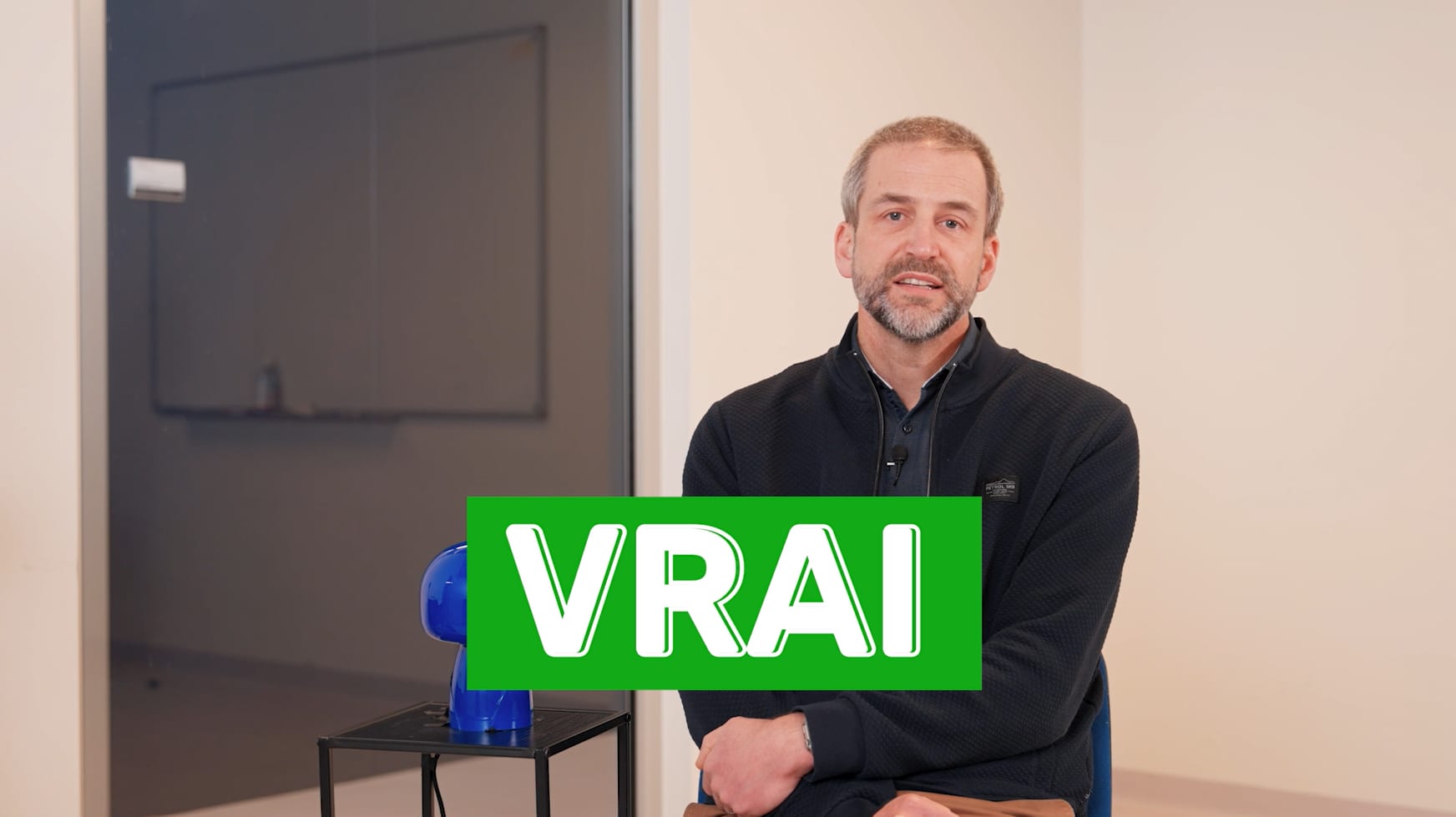
Colorectal cancer remains a sensitive topic. It is often surrounded by discomfort about the stool test and is also combined with long-standing fears and misconceptions that continue to hold back screening.
One common misconception is that colorectal cancer is primarily a “men’s disease”. In reality, women account for 45% of new cases diagnosed each year in Belgium9. Overall, colorectal cancer is the third most common cancer affecting both men and women10. Another widespread belief is that colorectal cancer affects only older adults, yet diagnoses are increasingly being made in people under the age of 5011. Among individuals screened around the age of 72, as many as 20 to 25% are already diagnosed at a metastatic stage12, underscoring the importance of earlier detection. Importantly, neither a healthy lifestyle nor the absence of family history offers full protection. In fact, 65% of colorectal cancers develop sporadically, with no identifiable hereditary cause or known family background13.
Stefan Gijssels, Chair of the Patient Expert Center and himself a colorectal cancer survivor, shares his experience: “I was diagnosed with metastatic bowel cancer. That meant surgery, six months of chemotherapy and several complications. Much of this could have been avoided with a simple screening test. At the time, however, screening did not yet start at age 50, as it does today. It would have spared both me and my family a great deal of suffering.”
How to Take Action During Blue March
In Belgium, everyone aged 50 to 74 is invited to undergo colorectal cancer screening every two years. Regardless of your age, everyone can help to make a difference by raising awareness and encouraging eligible relatives, friends or colleagues to take part in screening. Depending on the region, this can be done through the following pathways:
- In Wallonia: For a first‑time screening, individuals can request a kit via the regional screening program website (https://www.depistagecancer.be/kit/), through their pharmacist, or via their GP. Once enrolled in the program, they will automatically receive a new kit at home every two years.
- In the Brussels-Capital Region: Eligible residents can order or collect a screening kit every two years from any pharmacy in Brussels. Further information is available at https://www.bruprev.be/fr/colotest.
- In Flanders: All eligible individuals automatically receive an invitation and screening kit by mail every two years. More details can be found at https://dikkedarmkanker.bevolkingsonderzoek.be/nl
Press contacts
About Takeda
Improving people’s health worldwide and securing a better future through cutting‑edge medical innovation — that is Takeda’s mission. Our goal is to discover and deliver life‑changing treatments across our key therapeutic and business areas, including gastroenterology and inflammation, rare diseases, plasma‑derived therapies, oncology, neuroscience, vaccines and transplantation. For more information, visit www.takeda.be
As a new actor in the field of colorectal cancer, Takeda aims to significantly improve patients’ quality of life and long‑term outcomes by supporting earlier detection and better access to care. We are committed to strengthening patient care in Belgium and Luxembourg through close collaboration with healthcare professionals, patient organisations and the wider healthcare ecosystem.
Boilerplates
About Stop Darmkanker

The action group “Stop Darmkanker” was founded in February 2010 when gastroenterologist Dr. Luc Colemont, together with three young students, decided to take a stand in the fight against colorectal cancer. Stop Darmkanker’s mission is to raise awareness about the importance of early detection of polyps and colorectal cancer, while promoting a healthy lifestyle. For more information, visit https://www.stopdarmkanker.be/
About the Belgian Society of Medical Oncology (BSMO)
The Belgian Society of Medical Oncology (BSMO) is the national professional association representing medical oncologists in Belgium. Founded in 1976, the BSMO is dedicated to advancing the field of medical oncology through education, scientific exchange, research support and collaboration with national and international stakeholders.
The Society promotes high‑quality, evidence‑based cancer care and plays an active role in the continuous professional development of its members. Through its annual congress, working groups and strategic partnerships, the BSMO drives innovation and excellence in oncology for the benefit of patients across Belgium. For more information, visit https://bsmo.be/.
References
- Cancer Registry. (2025). Cancer fact sheet 2023 Colorectal cancer. Accessed January 27, 2026 via https://kankerregister.org/sites/default/files/2025/2025_BE_CFS2023_CRC_V2_2.pdf
- KCE report 376. (2024). Performance of the Belgian health system – report 2024. Accessed January 26, 2026 via https://www.belgiqueenbonnesante.be/metadata/hspa/2024/P9.pdf
- The more than 90% mentioned corresponds to the 5‑year overall survival rate for colorectal cancers diagnosed at stage 1. Cancer Registry. (2025). Cancer Fact Sheet 2023. Accessed February 5, 2026 via https://kankerregister.org/sites/default/files/2025/2025_BE_CFS2023_APP_CRC_2.pdf
- https://dikkedarmkanker.bevolkingsonderzoek.be/nl
- https://www.depistagecancer.be/kit/
- https://www.bruprev.be/fr/colotest
- Digestive Cancers Europe. (2020). Roadmap for colorectal cancer screening. Accessed January 20, 2026 via https://digestivecancers.eu/wp-content/uploads/2020/02/465-Document-DigestiveminusCancersminusRoadMapminus2019.pdf
- Multicenter, controlled, randomized study on the impact of training general practitioners and of a user‑targeted intervention to improve colorectal cancer screening in disadvantaged areas, cited in: Takeda France. Making access to the best care a priority for colorectal cancer. Advocacy, 2025.
- Cancer Registry. (2025). Cancer fact sheet 2023 Colorectal cancer. Accessed January 27, 2026 via https://kankerregister.org/sites/default/files/2025/2025_BE_CFS2023_CRC_V2_2.pdf
- For a healthy Belgium. (2025). Cancer. Accessed February 5, 2026 via https://www.healthybelgium.be/en/health-status/non-communicable-diseases/cancer
- Cancer Registry. (2025). Cancer fact sheet 2023 Colorectal cancer. Accessed January 27, 2026 via https://kankerregister.org/sites/default/files/2025/2025_BE_CFS2023_CRC_V2_2.pdf
- Cancer Registry. (2025). Cancer fact sheet 2023 Colorectal cancer. Accessed January 27, 2026 via https://kankerregister.org/sites/default/files/2025/2025_BE_CFS2023_CRC_V2_2.pdf
- Goosenberg, E., Kaur, A., & Babiker, H. M. (2025). A Review of Hereditary Colorectal Cancers. Last updated September 17, 2025. Accessed January 22, 2026. (https://www.ncbi.nlm.nih.gov/books/NBK538195/)
C-ANPROM/BE/OG/0080 – February 2026