
Gérard Émond’s Life with Primary Immunodeficiency
Made Possible by Plasma: Gerard’s Story
Disclaimer: This patient story is shared to highlight the personal experiences of individuals living with Primary Immunodeficiency (PID). The management and treatment of PID vary from person to person and may include a combination of drug and non-drug therapies. Please consult with your healthcare provider for advice tailored to your specific condition.
This story is prepared by Takeda.
From hospital infusions to home care: how treatment gave Gérard his life back
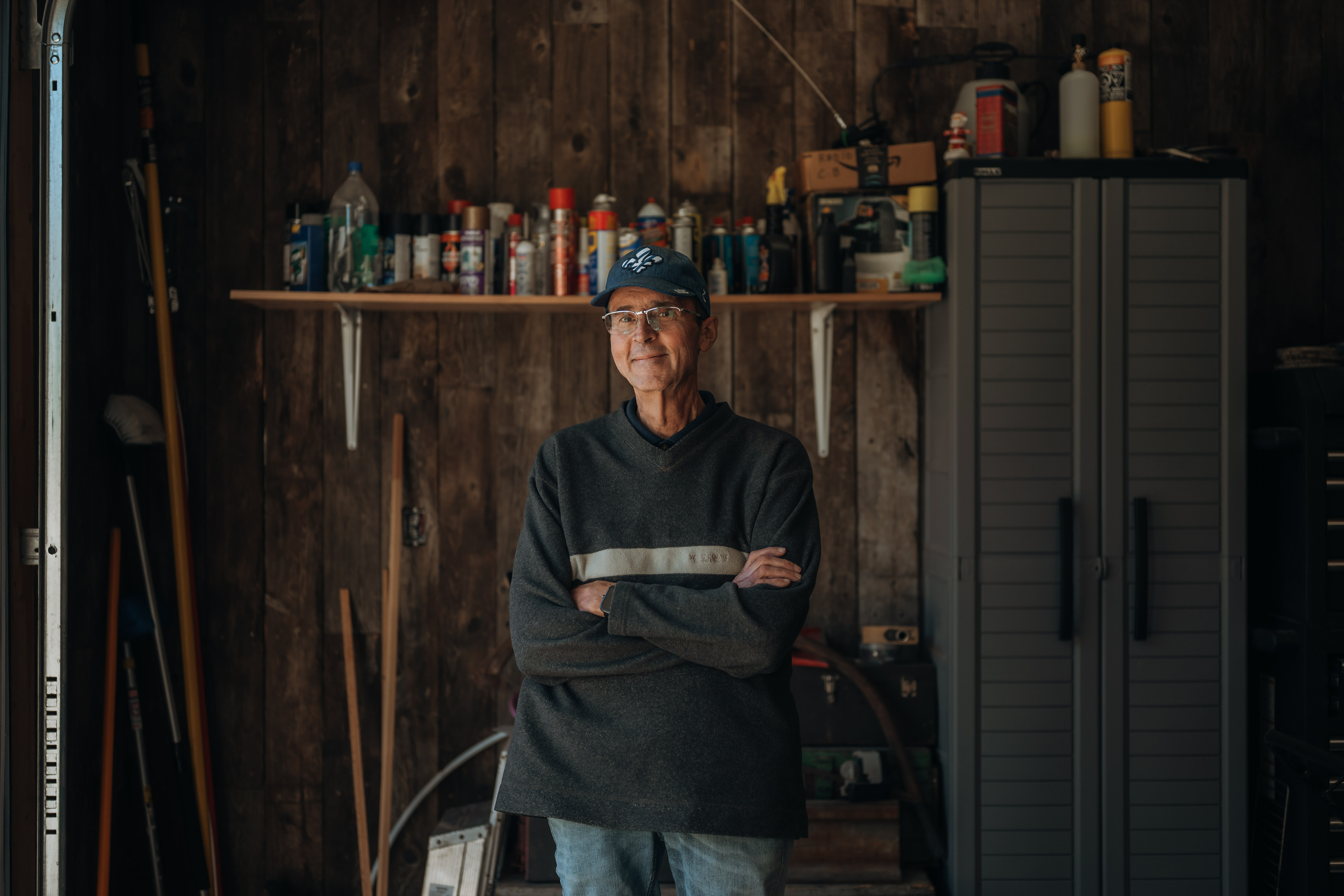
For nearly 40 years, Gérard Émond’s life revolved around hospital infusion rooms. Now approaching 70, home-based treatment gives him more freedom to spend time with his family—and to be present as his four grandchildren grow up.
An Unexpected Diagnosis
For years, Gérard dealt with a string of health problems: stomach aches, intestinal issues, bronchitis, sinusitis, jaundice. He never knew why. Then, during a routine blood test, doctors spotted something unusual. The diagnosis: primary immunodeficiency.
"It's strange – when my hematologist gave me the news, I actually felt relieved, because I'd been warned it might be cancer," says Mr. Émond. "What came next wasn't easy, but at least my life expectancy wasn't on the line."
His quality of life, though, was about to be tested.
Nearly 40 Years of Treatment, a Life Reshaped
For close to four decades, treatment ran his life. First at Notre-Dame Hospital, then at the CHUM, Gérard had to show up regularly for intravenous immunoglobulin infusions - proteins derived from blood plasma that helped his body fight off infections.1,2
"I got used to the routine, but I lived a fair distance away, so I'd have to arrive early in the morning, and treatments could run until late at night." Balancing that with work and family life was a constant logistical strain.
The financial strain of missing work, the guilt of not being there enough for his wife and two sons – Gérard doesn't sugarcoat how much that weighed on him over the years.
He could not have known then that a shift accelerated by the pandemic – from hospital infusions to immunoglobulin treatment at home – would change everything.
The Pandemic's Silver Lining
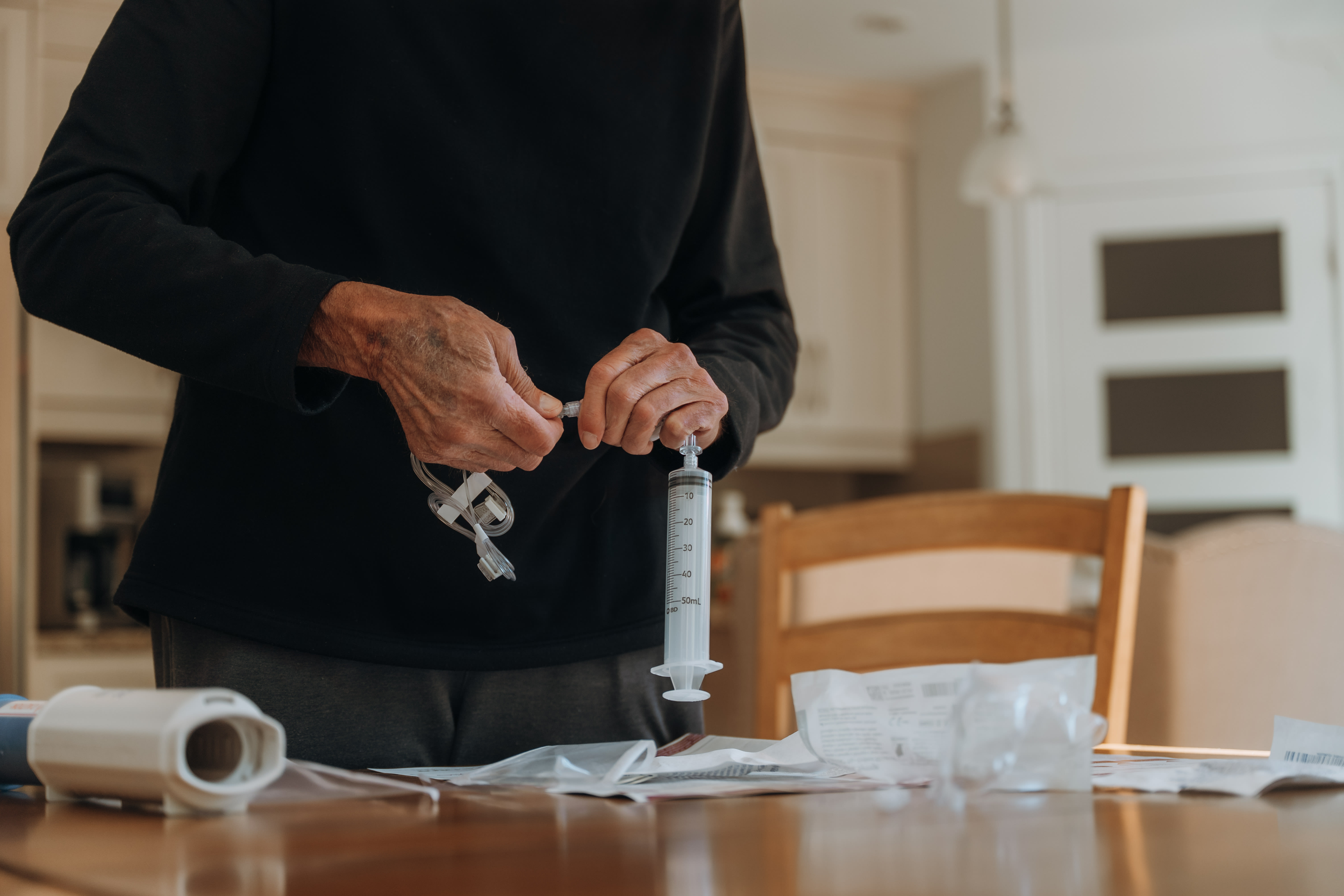
When COVID-era restrictions made hospital visits more difficult, Gérard agreed to try subcutaneous immunoglobulin (SCIG), a treatment he could administer at home instead of returning to hospital for every infusion.
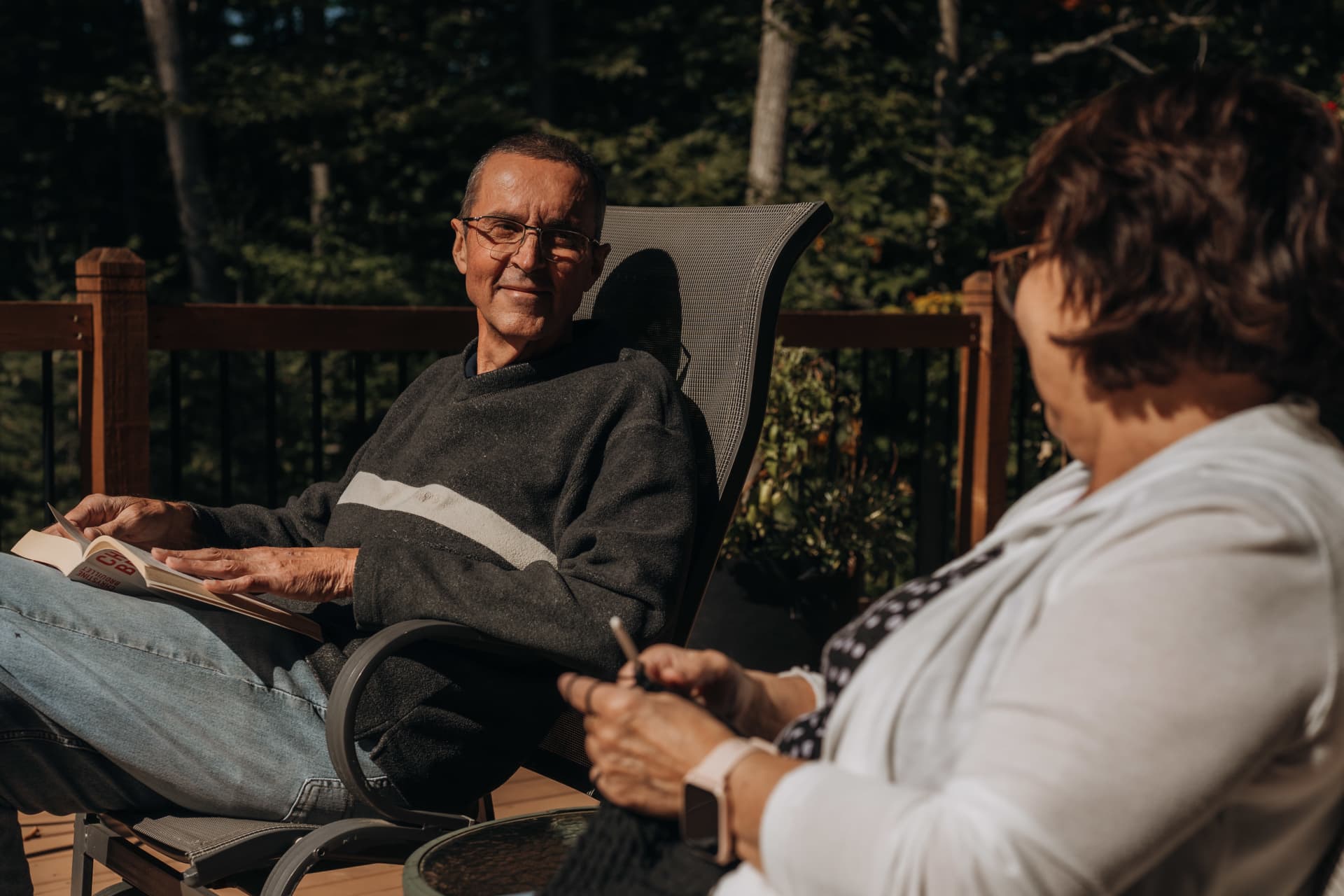
"I was hesitant at first – it felt like giving up everything familiar about being in a hospital setting. But it didn't just give me more independence, letting me schedule infusions around my own life. It changed how I live with this disease altogether."
Gérard says that since transitioning to home-based treatment, he has experienced fewer infections and has greater control over when and where treatment fits into his life."
For patients whose care teams determine that home-based SCIG is appropriate, the difference can be felt in everyday life: less time travelling to appointments and waiting in clinics, and more flexibility to fit treatment around other commitments. That flexibility can help reduce disruptions to care and make treatment more accessible for people living in rural and remote communities.3,4
The Plasma Behind Every Treatment
Treating one person like Gérard for a year can require 130 plasma donations.5,6
Because immunoglobulins cannot be manufactured in a lab, every dose depends on donated plasma – and on the people who take the time to give.
As patient need grows, Canada needs a safer, stronger and more resilient plasma ecosystem to ensure patients have reliable access to the therapies they need. Increasing safe domestic plasma donation must also be supported by better forecasting, procurement and collaboration across the health system.
For Gérard, that access means more than treatment. It means being here to watch his four grandchildren grow up and being a real, present part of their lives. That is priceless.
- Canadian Blood Services. Plasma. Available at: https://www.blood.ca/en/plasma (Accessed September 2026).
- Immunity Canada. How can Primary Immunodeficiencies be treated? Available at: https://immunitycanada.org/info/treatments-primary-immunodeficiency/ (Accessed November 2026).
- Cheung E, et al. The economic value of self-administered subcutaneous immunoglobulin G (SCIg) in Canada: a scoping review. Journal of Medical Economics. 2026;29(1):393–405. doi:10.1080/13696998.2026.2628450.
- Immunity Canada; Network of Rare Blood Disorder Organizations (NRBDO). Rare Disorders, Remote Realities: Mapping the Gaps in Care in Rural and Remote Canada. April 2026.
- Schreiber. Source Plasma Donors: A Snapshot. 2017. Available at: https://www.researchgate.net/publication/321807978_Source_Plasma_Donors_A_Snapshot (Accessed September 2026).
- Immune Deficiency Foundation. Broadening plasma donation access and awareness. Available at: https://primaryimmune.org/get-involved/advocate/broadening-plasma-donation-access-and-awareness (Accessed November 2026).