
A Personal Sentence – Amplifying Neurodiverse Voices in the Criminal Justice System
A Personal Sentence – Amplifying Neurodiverse Voices in the Criminal Justice System
This campaign was initiated and funded by Takeda
ADHD is significantly overrepresented across the criminal justice system1, highlighting a clear and urgent unmet need. A Personal Sentence, a campaign created by Takeda, aims to raise awareness of how often ADHD goes unrecognised or unsupported, and how earlier identification and the right interventions could reduce the likelihood of people entering the justice system in the first place.
Up to 41% of women in UK prisons are estimated to meet the criteria for ADHD1
The campaign calls on government to include ADHD in the rehabilitation conversation and to take practical steps that improve early identification and support, helping to reduce avoidable harm and ease pressure on the prison system.
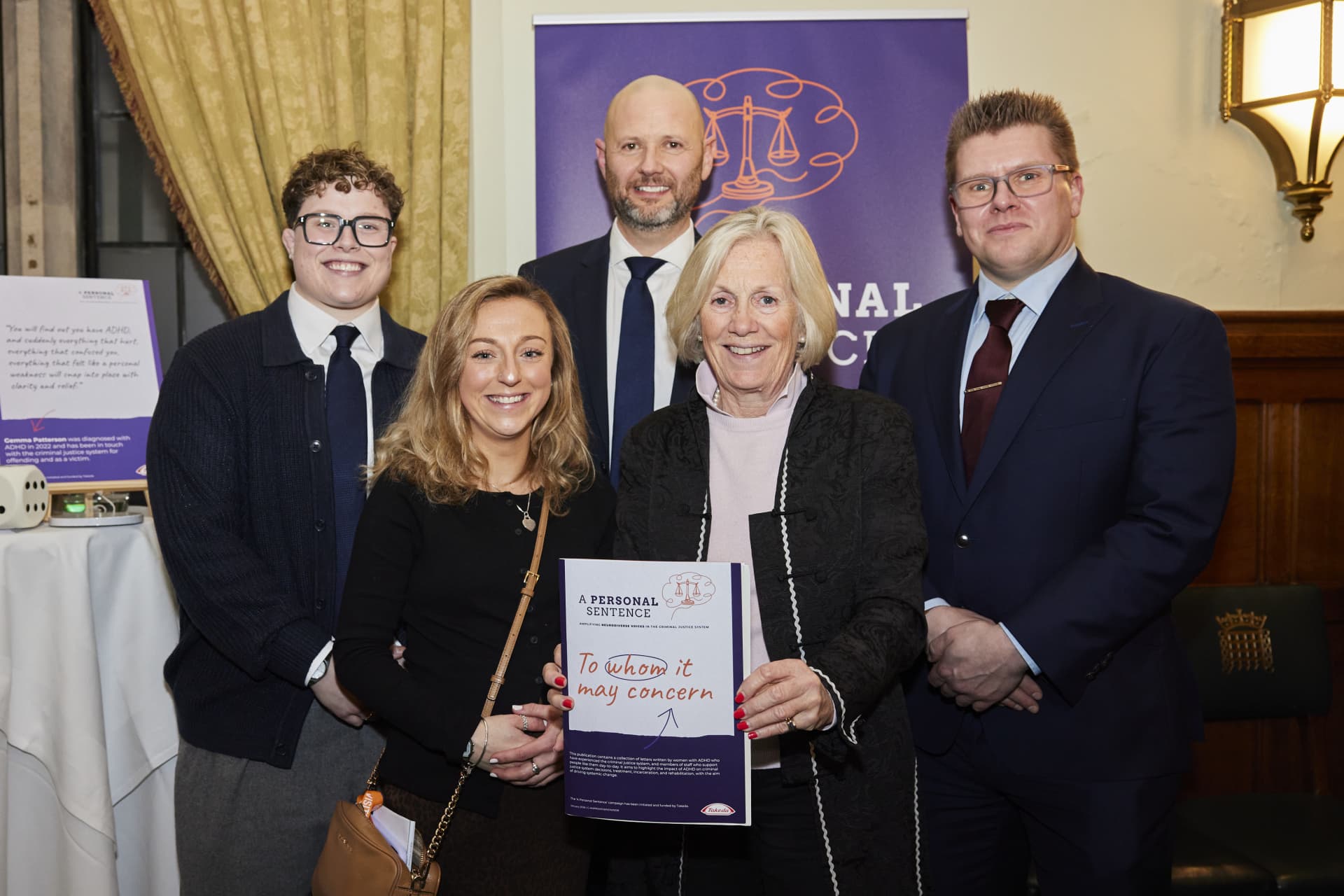
The Parliamentary Launch Event
A significant milestone for the A Personal Sentence campaign was its parliamentary launch event, which signalled growing cross-party recognition that ADHD is an important - and often overlooked - factor within the criminal justice system2. Sponsored by Tessa Munt MP, a member of the Justice Select Committee, the event brought together MPs and Peers, ADHD and criminal justice charities and organisations, NHS stakeholders, and people with lived experience, alongside campaign supporter Hannah Botterman, Red Roses England rugby player and World Cup winner.
Following the event, Takeda will continue to bring together decision-makers and frontline voices to strengthen understanding of ADHD in justice settings, and to help turn awareness into practical, evidence-informed improvements that support earlier identification and more consistent support across the pathway.
Watch the highlights from the event below:
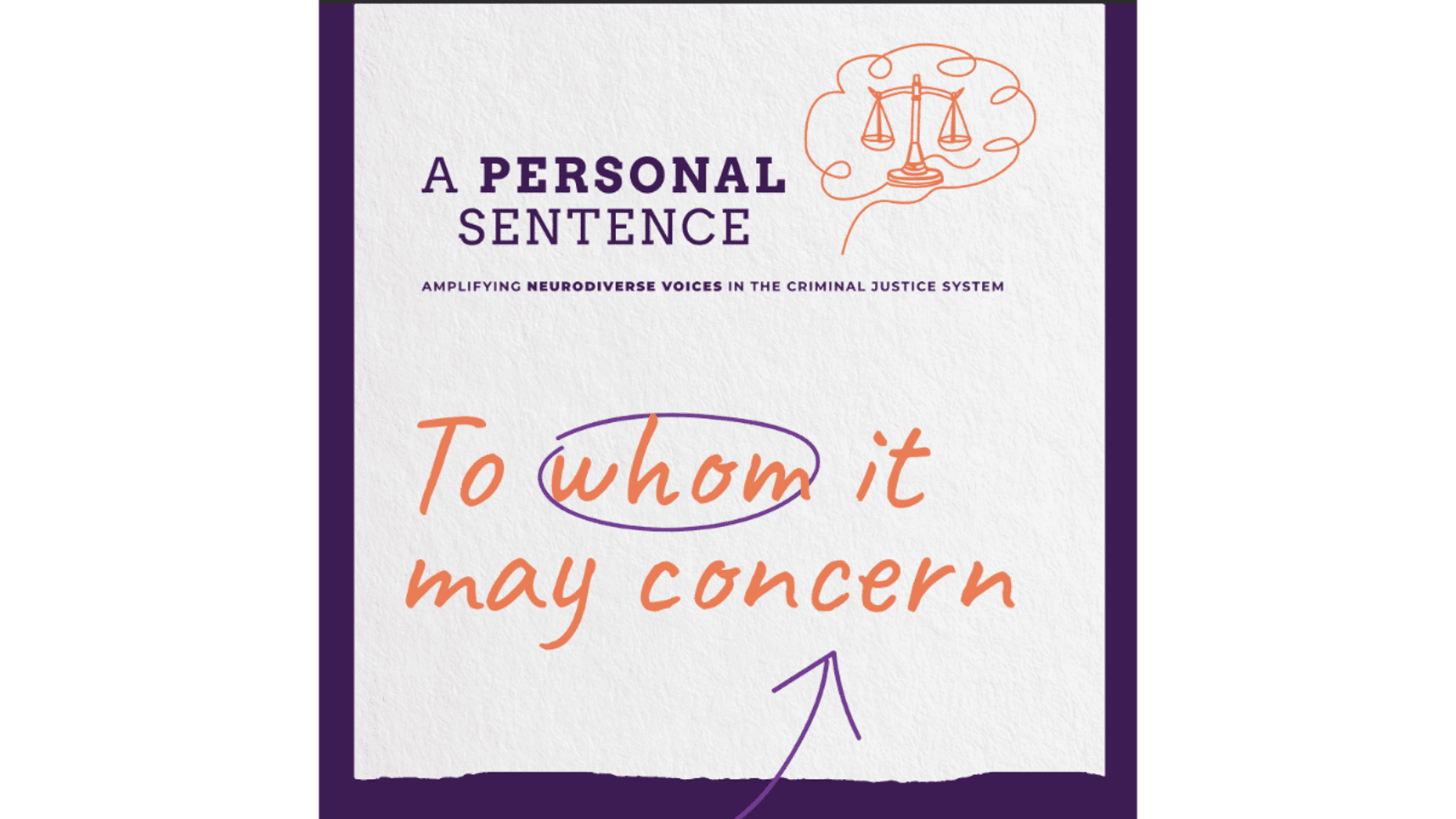
To Whom It May Concern: The Letters Book
The Letters Book brings together six first-person testimonies from people with lived experience of ADHD and the criminal justice system. It includes a foreword by Tessa Munt MP, new qualitative research with frontline prison staff, women with ADHD who have experienced prison, probation officers and other stakeholders, and three priority policy recommendations for this Parliament - aligned with both the ADHD Taskforce report and the Chief Medical Officer’s report on prisoner health.
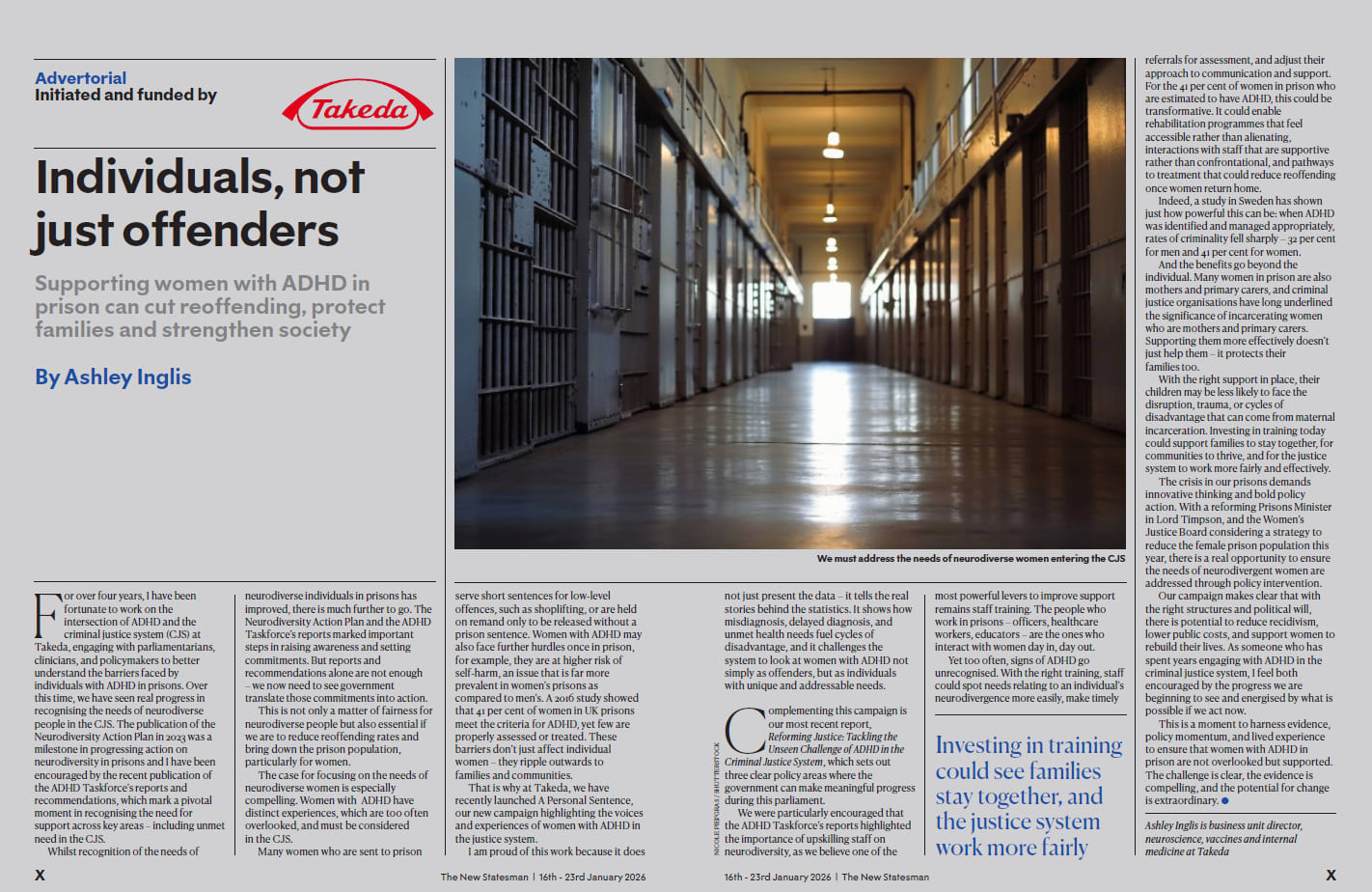
Individuals, Not Just Offenders Op-Ed
In an Op-ed for the New Statesman, Ashley Inglis, Takeda’s Business Unit Director for Neuroscience, offers a candid view of what he has seen over four years working where ADHD and the criminal justice system meet - and why “policy intent” still too often fails to become day to day practice. He explores the human impact when ADHD is missed in justice settings, particularly for women in custody, and why that gap matters not just for individuals, but for families and communities too.
The article also looks at what meaningful change could involve - clearer routes to assessment and support, staff better equipped to recognise neurodivergence, and rehabilitation that is genuinely accessible - making the case that getting this right is central to a fairer, more effective justice system.
References:
- Farooq, R., Emerson, L.M., Keoghan, S. et al. Prevalence of adult ADHD in an all-female prison unit. ADHD Attention Deficit and Hyperactivity Disorders. 2016. Available at https://eprints.whiterose.ac.uk/id/eprint/93767/13/Farooq%20et%20al%202016.pdf [Accessed January 2026]
- Revolving Doors. Exploring the links between neurodiversity and the revolving door of crisis and crime. 2022. Available at https://revolving-doors.org.uk/wp-content/uploads/2022/09/Revolving-Doors-neurodiversity-policy-position.pdf [Accessed January 2026]
C-ANPROM/GB/NON/0051 Date of Preparation: March 2026